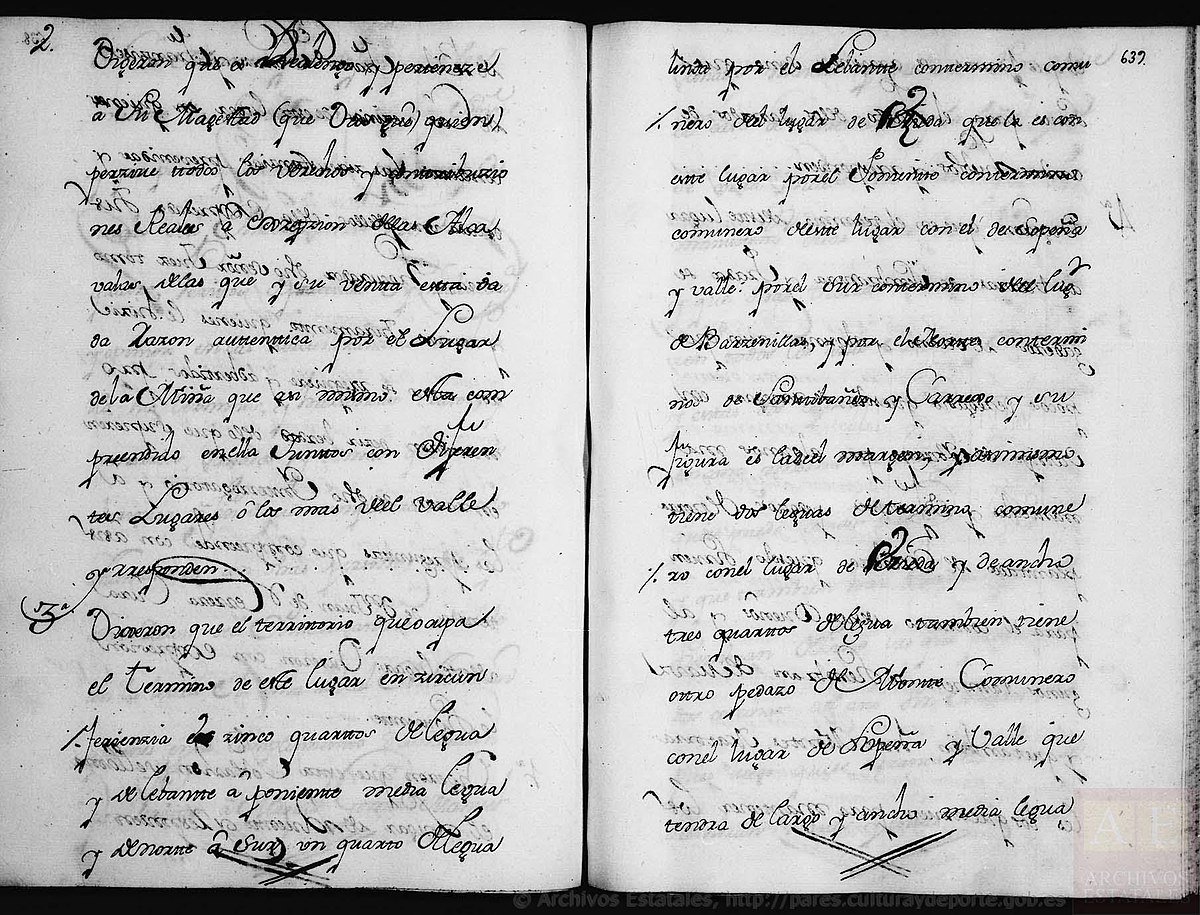
Ruente en el Catastro de Ensenada 03.jpg
Marqués de la Ensenada · Public domain
Cantabria · Infinite

Ruente

The morning mist lifts off the River Carasa at its own pace, revealing stone farmhouses that have watched over this valley since long before anyone...

1,083 inhabitants · INE 2025
200m Altitude

Why Visit

Mountain Fuentona de Ruente Nature

Best Time to Visit

summer

Saint Andrew Noviembre

Things to See & Do
in Ruente

Heritage

  • Fuentona de Ruente
  • Saja River

Activities

  • Nature
  • Fishing

Festivals
& & Traditions

Fecha Noviembre

San Andrés, Nuestra Señora

Las fiestas locales son el momento perfecto para vivir la autenticidad de Ruente.

Full Article
about Ruente

The magical Fuentona

Ocultar artículo Leer artículo completo

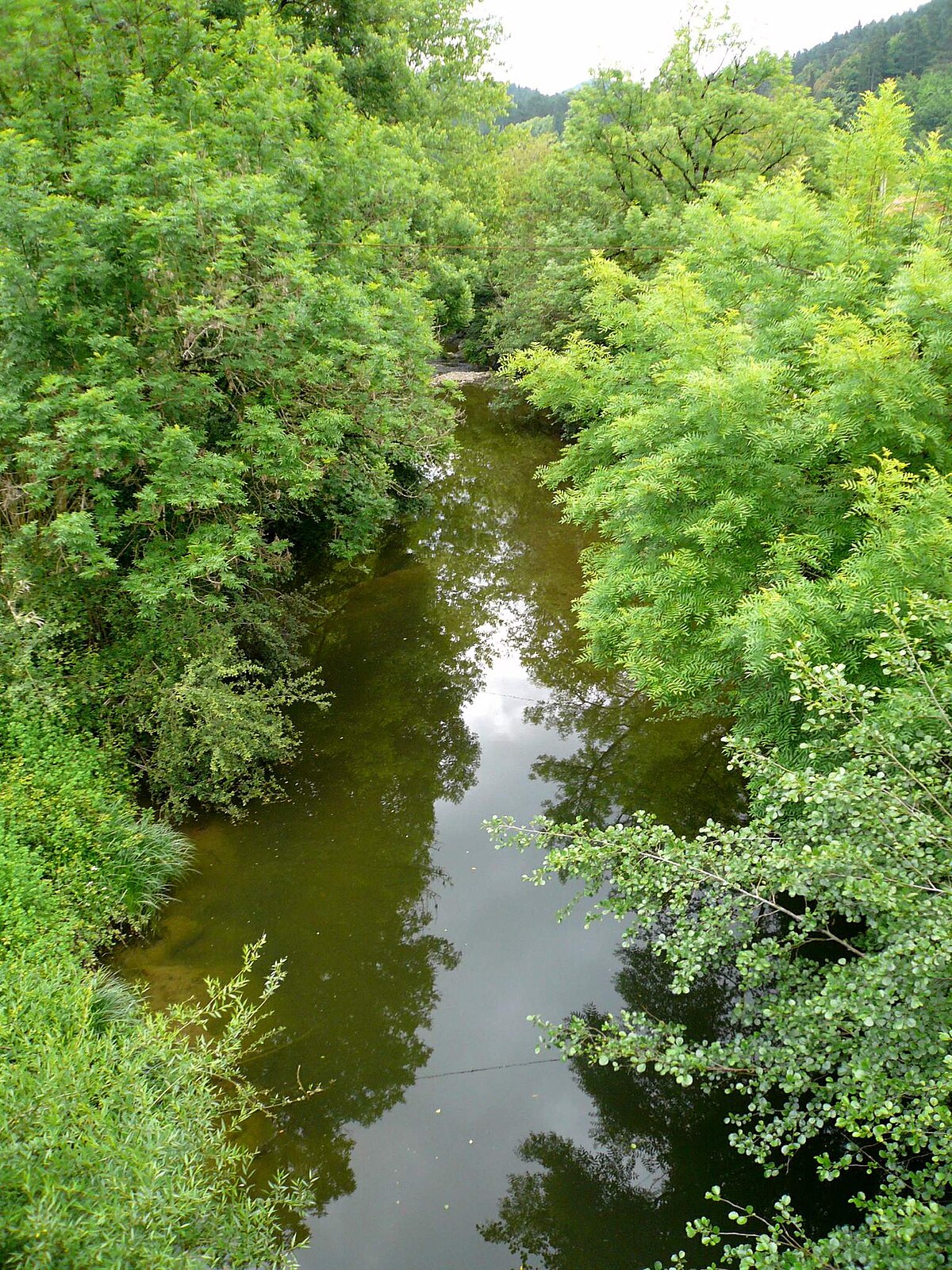
The morning mist lifts off the River Carasa at its own pace, revealing stone farmhouses that have watched over this valley since long before anyone thought to mark routes on a map. At 240 metres above sea level, Ruente sits low enough to catch Atlantic weather systems yet high enough to feel the difference when clouds roll in from the Bay of Biscay. One moment you're admiring how sunlight catches the waterwheel beside the medieval bridge; twenty minutes later you're reaching for a waterproof as the same valley disappears into grey.

This is the reality of Cantabria's interior, where green comes at a price British walkers understand all too well. The village's thousand residents spread across several hamlets—Ucieda, Ruente itself, and tiny clusters whose names rarely appear on maps—have learned to read the mountain's moods. Their stone houses, built thick-walled against winter damp, tell the story of a place where architecture follows climate rather than fashion.

The Rhythm of Valley Life

Forget the coastal Spain of package holidays. Here, tractors rumble through narrow lanes at dawn, and the church bell in Ucieda still marks time for farmers cutting hay according to weather forecasts rather than Google Calendar. The parish church of San Juan Bautista won't feature in any guidebook's "must-see" list—it's a working building where services continue regardless of visitor numbers, its significance measured in baptisms and funerals rather than TripAdvisor ratings.

Wander between hamlets and you'll spot the architectural signatures that distinguish Cantabrian farmhouses from their better-known Asturian cousins. Wooden balconies painted deep burgundy or forest green project from stone walls; hórreos—granaries on stilts—stand beside modern barns. Some properties gleam with recent restoration, their coats of arms freshly carved. Others remain mid-renovation, exposing the pragmatic approach to rural property that's familiar across northern Spain: work stops when funds run low, resumes when harvests are good.

The real monument here is the landscape itself. Ruente sits within the Saja-Besaya Natural Park's sphere of influence, where ancient oak and beech forests cloak slopes that rise to over 1,500 metres. Brown bears roam higher valleys—though you're unlikely to see them—while griffon vultures ride thermals above ridges. The river system that carved this valley creates microclimates within minutes' walk; ferns thrive in shaded gullies while south-facing slopes support drought-resistant heather.

Walking Into Another Cantabria

The best map is useless without understanding how quickly paths change here. Winter storms wash away sections of trail; summer growth can obscure waymarkers within weeks. Local walking routes connect hamlets through mixed woodland and across flower-rich meadows where Tudanca cattle—the region's distinctive brown breed—graze beneath chestnut trees. These aren't manicured National Trust paths. Expect muddy sections after rain, tree roots across trails, and the occasional escaped cow blocking your route.

Elevation gain comes quickly. A circular walk from Ucieda to the abandoned village of Lores and back covers eight kilometres but involves 400 metres of climbing. The reward is solitude broken only by cowbells and the rush of unseen streams. Spring brings wild orchids and the intense green that gives Cantabria its nickname of "Green Spain." Autumn paints beech woods gold and copper, though mist can reduce visibility to metres without warning.

Mountain biking appeals to riders who've exhausted Wales' trail centres and want something rawer. Forest tracks climb relentlessly from the valley floor, rewarding effort with technical descents through ancient woodland. Road cyclists face narrow lanes where meeting a milk tanker around a blind bend keeps you honest about positioning. This isn't sportive territory—it's real working countryside where agricultural traffic has right of way.

What You'll Actually Eat

Rural Cantabrian cooking makes no concessions to delicate appetites. In village bars, the menú del día runs to hearty stews using local beans (alubias) and chorizo, or cocido montañés—a substantial pork and bean stew that'll see you through an afternoon's walking. Summer brings lighter options—grilled beef from valley farms, or trout from mountain streams served simply with ham and garlic.

The Posada La Fuentona, the village's main accommodation, understands that British palates sometimes need gentle introduction. Their breakfast buffet mixes local specialities—quesada pasiega (a sweet cheese tart) and sobaos (buttery sponge cakes)—with familiar options for less adventurous guests. Evening meals showcase seasonal game when available; autumn might bring wild boar stew or venison, while spring menus feature local mushrooms and wild herbs.

Timing matters. Arrive at 3:30 pm expecting lunch and you'll find kitchens closed. Spanish meal times apply regardless of nationality—though staff at the Posada speak English and will explain local customs without judgment. Booking ahead at weekends is essential; the dining room seats thirty, and Sunday lunch draws families from across the valley.

The Weather Reality Check

British visitors should understand one thing: mountain weather here makes the Lake District look predictable. Atlantic systems hit the Cordillera Cantábrica and stall, dumping rain that can turn paths to rivers within hours. Even July and August see afternoon storms that send visitors scrambling for shelter. The compensation is clarity—after rain, air scrubs clean to reveal distances that hazy English summers never achieve.

Winter brings different challenges. Days shorten dramatically; by December, last light fades before 6 pm. Snow falls above 800 metres, occasionally lower, making mountain access unreliable from November through March. Yet valley walks remain possible most days, and the sight of stone houses with wood smoke curling from chimneys has its own appeal—provided you've packed properly.

Spring arguably offers the best compromise. April and May see wildflowers appear in meadows while snow still caps higher peaks. Temperatures reach comfortable walking levels—15-20°C in valley bottoms—without the humidity that makes summer afternoons sticky. Paths dry out enough for comfortable walking, though waterproofs remain essential kit.

Making It Work

Ruente functions best as a base rather than a destination. Stay two nights minimum—anything less and you'll spend more time packing than experiencing. The Posada La Fuentona offers twenty rooms in a converted manor house; free parking makes it practical for fly-drive holidays using Santander's ferry connection. From here, day trips reach medieval Santillana del Mar or Gaudí's Capricho at Comillas, though rushing off misses the point.

Public transport exists but requires patience and Spanish. One bus daily connects to Torrelavega, timing that suits locals heading to market rather than tourists exploring. Hiring a car isn't optional—it's essential for accessing trailheads and neighbouring villages. Roads wind but remain well-surfaced; the drive from Santander airport takes ninety minutes through mountain passes that prepare you for the landscape ahead.

Come prepared for a different pace. Ruente won't tick boxes for cathedral visits or tapas crawls. Instead, it offers what Britain's countryside increasingly struggles to provide—working rural communities where tradition adapts rather than performs. The magic happens slowly: watching valley light change through an afternoon, or sharing bar space with farmers discussing tomorrow's weather in accents thick enough to challenge GCSE Spanish.

Leave expectations of picture-postcard Spain behind. Ruente reveals a northern mountain culture closer to Celtic traditions than Moorish influences—a place where bagpipes accompany fiestas and stone circles predate Roman occupation. It's not hidden, undiscovered, or waiting for transformation. It's simply real, weather-dependent, and honest about what mountain life demands. Pack decent boots, allow twice the time you think necessary for everything, and the valley might just share its secrets.

Key Facts

Region
Cantabria
District
Saja-Nansa
INE Code
39066
Coast
No
Mountain
Yes
Season
summer

Livability & Services

Key data for living or remote work

2024
ConnectivityFiber + 5G
TransportTrain nearby
HealthcareHospital 20 km away
EducationElementary school
Housing~5€/m² rent · Affordable
CoastBeach 17 km away
Sources: INE, CNMC, Ministry of Health, AEMET

Planning Your Visit?

Discover more villages in the Saja-Nansa.

View full region →

More villages in Saja-Nansa

Traveler Reviews