Full Article
about Tudanca
Literary village of the Nansa
Ocultar artículo Leer artículo completo
The smell hits first. Not unpleasant—just unmistakable. Warm livestock and damp earth drift through the stone streets of Tudanca, a village where 200 humans share the valley with herds of the native tudanca cattle. These chestnut-coloured beasts, with their lyre-shaped horns and wary eyes, are the reason the place exists. They graze right up to the doorways, and on quiet mornings, their bells provide the only soundtrack.
Tudanca sits at 550 metres in Cantabria's Saja-Nansa valley, an hour's detour south from the A-67 Santander-Bilbao road. The drive climbs through holm-oak scrub before dropping into a bowl where stone houses huddle against Atlantic weather systems. Even in July, the air carries a chill after dusk; in January, Atlantic storms can cut the village off for days. This isn't postcard Spain—it's working Spain, where rain matters more than Instagram.
Stone, Mud and the Writer Who Stayed
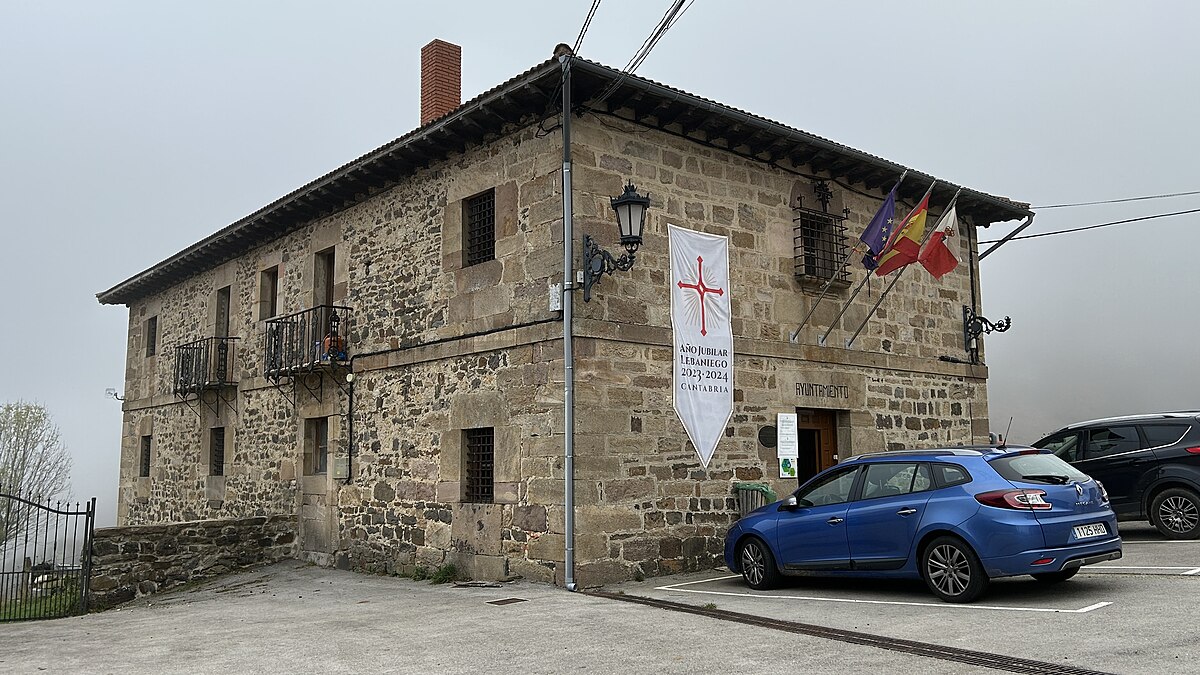
The village centre spans three short streets. No souvenir shops, no guided tours—just granite houses built when labour was cheap and stone plentiful. Wooden balconies sag under the weight of decades. Look up and you'll spot the de Pereda house, its coat of arms still sharp after 150 winters. The novelist José María de Pereda spent summers here, using the valley as backdrop for his tales of rural Cantabria. The building is private now; visitors peer from the lane, trying to match the view to passages in Peñas Arriba.
Next door, the Ethnographic Museum occupies a former grain store. Inside, three rooms hold tools for every aspect of mountain life: wooden clogs caked with ancient mud, leather milk pails, a branding iron shaped like a tulip. Entry costs €2.50, coins only—there's no card machine. The curator, when present, demonstrates how farmers once measured butter by carving notches on a stick. It's all low-tech and oddly fascinating, like stepping into a pre-industrial instruction manual.
The 17th-century church of San Andrés squats above the roofs, its baroque tower out of proportion to the hamlet below. Inside, the air smells of beeswax and damp stone. Weekday mass is at 11 a.m.; turn up earlier and the sacristan's wife will unlock the door, but she'll hover until you leave—centuries of Protestant raids have left locals wary of unattended strangers.
Where the Tarmac Ends
Walking starts from the last lamppost at the top of Calle Real. A stony track continues uphill, signed Busmayor 4 km. The gradient bites immediately; heart-rate monitors would panic. After forty minutes of thigh-burning ascent, the oak woodland thins into high pasture. Stone huts known as brañas appear—tiny corbelled shelters where shepherds once spent July nights. Cows claim the best views, lounging across the path with territorial confidence. Give them space; these animals weigh 500 kg and have no sense of personal liability.
The ridge at 1,100 metres offers a pay-off on clear days: the Cantabrian cordillera ripples westwards, snow caps glinting even in May. Cloud rolls in without warning; GPS signal dies in the gullies. Locals carry whistles—three sharp blasts mean "lost tourist needs help". It's not theatre; mountain rescue gets called out most months.
Winter transforms the same route into a different proposition. Snow can fall from October onwards, turning paths into streams of slush. The council grades the main road, but side lanes ice over quickly. Chains become essential, not macho posturing. When southerly gales arrive, the valley fills with fog so thick that cows materialise like ghosts. On those days, sensible walkers retreat to the bar.
One Bar, One Menu, No Wi-Fi
Café Bar Tudanca opens at seven for farmers and stays open until the last drinker leaves. Coffee costs €1.20, served in glasses thick enough to survive dishwashers. The menu is written on a chalkboard and changes according to what the owner bought that morning. Expect chickpea stew with morcilla, or fried peppers topped with anchovies. Vegetarian options exist—grilled cheese with walnuts—but this is cattle country; plant-based diets draw sympathetic smiles.
Evening meals move next door to Casona de Tudanca, the village's only restaurant. Starters might be mountain rice with wild boar, followed by sirloin from a tudanca steer aged 45 days. The meat is lean, almost gamey, served rare unless you specify otherwise. A three-course meal with wine runs to €28—cash only, no reservations needed outside August. British visitors sometimes find the cooking heavy; there's no jus, no micro-herbs, just robust flavours designed for people who spent the day herding.
When to Bother, When to Stay Away
April brings orchids to the roadside banks and temperatures perfect for walking. October matches them for colour, adding wild mushrooms to restaurant plates. These shoulder seasons offer the best balance of access and comfort.
August fills the handful of holiday cottages with families from Santander. Children race scooters along lanes designed for ox-carts; noise echoes off stone. Accommodation prices double, and the bar runs out of beer by Sunday night. If you crave solitude, avoid midsummer.
Deep winter has its own austere beauty—snow on terracotta roofs, wood-smoke drifting at dawn—but services shrink. The museum shuts, the bakery van stops coming, and one harsh storm can leave you snow-bound. Come then only if you relish self-sufficiency and carry a full tank of petrol.
Getting There, Getting Out
Public transport is theoretical. A weekday bus leaves Santander at 06:45, reaches Tudanca at 09:10, and returns mid-afternoon. Miss it and you're stranded. Driving remains the practical option: take the A-67 to Torrelavega, follow the CA-280 through mountain hamlets whose names—Ruente, Santiurde—feel like tongue-twisters. The final 12 km snake along a gorge where rock overhangs the tarmac. Meeting a timber lorry here teaches theology; you'll pray.
Petrol stations close by ten; fill up in Torrelavega. Phone coverage is patchy—Vodafone dies in the centre, EE survives on the ridge if you stand on the picnic table opposite the church. Download offline maps before you leave the main road.
The Honest Verdict
Tudanca won't keep you busy. A diligent sightseer can exhaust the stone streets in an hour, the museum in twenty minutes. What the place offers instead is density of experience: the clang of cowbells at dawn, wood-smoke in your hair, stars undiluted by street-lights. Some visitors flee after one damp night, unnerved by the silence. Others, usually the ones who packed proper boots and waterproofs, find themselves extending breakfast, then lunch, then checking cottage availability for next year.
Come if you want Spain stripped of flamenco and tapas tours. Don't come expecting gift shops or flat whites. Bring cash, bring an OS-level sense of direction, and bring time—because Tudanca gives it back, one slow hour at a time.