Full Article
about Camargo
Bay viewpoint
Ocultar artículo Leer artículo completo
The tide goes out at Alday and the bay turns into a chessboard of salt-green squares. A redshank lands, probes once, twice, then flaps off towards the airport control tower that peeps over the reeds. You are ten minutes’ drive from Santander, yet the only sound is the click of bicycle gears as a local commuter cuts across the marsh path on his way to the Airbus factory. This is Camargo: not a chocolate-box village, but a working municipality of 5,000 souls spread across former tidal flats, suburban roundabouts and the odd stone hamlet that managed to escape the twentieth century.
A Parish at Arm’s Length from the City
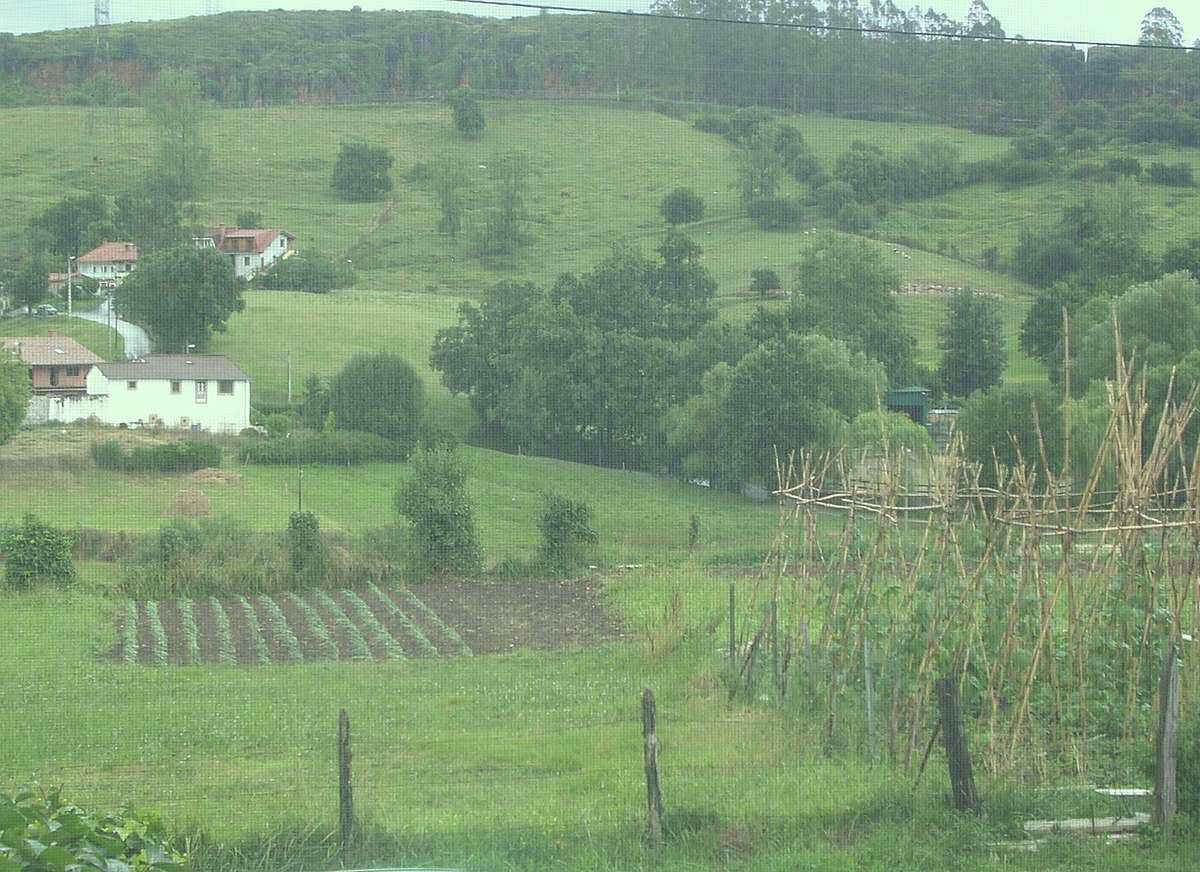
Camargo’s identity is defined by proximity. Santander’s ring road is close enough that you can see the hospital crane from the marisma, yet the place keeps its own school run, its own summer fiestas and its own Saturday-morning queue at the bakery in Muriedas. The result is practical rather than pretty. Industrial units sit beside corn fields; a cider house occupies a 1930s townhouse opposite a Ford dealership. British visitors usually land at the airport, drop their cases at an apart-hotel beside the N-636 and assume they will “pop into Santander later”. Most never get beyond the supermarket, which is a shame, because the municipality rewards the mildly curious.
Start with the marsh itself. A level gravel path leaves the car park at Alday and within five minutes you are between two lagoons patterned with samphire and glasswort. Information boards list the migratory timetable – whimbrel in April, spoonbill in September – but even without binoculars the space works as a palate cleanser after the plastic-wrap interior of a Ryanair cabin. The loop takes forty minutes; sunrise turns the water copper, sunset smells of damp hay and diesel from the distant milking shed. On windy days the reeds hiss like a badly tuned radio and you will understand why locals bring a jacket even in July.
Churches You Have to Earn
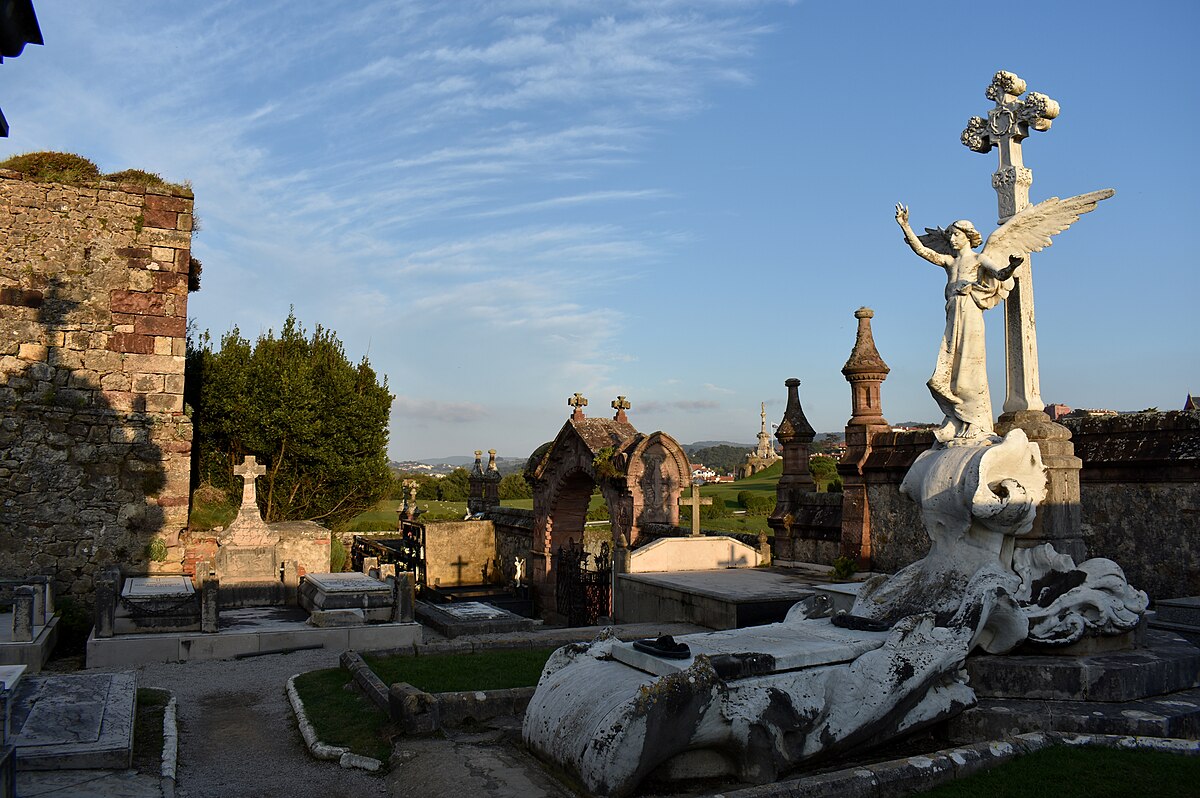
Heritage is scattered, not served on a platter. The twelfth-century portico of San Martín de Tours sits in the middle of Revilla’s commuter estate; parking is tight between wheelie bins and someone’s gate painted in Athletic Bilbao colours. Push the heavy door at 11 a.m. and you may find the nave empty except for two widows swapping recipes in the sacristy. Capitals show Daniel in the lions’ den, rather chipped, but still sharp enough to make you wonder how the stone masons travelled this far north in 1180. Ten minutes away by car, Escobedo offers a taller tower and a plaza shaded by a walnut tree. The church is usually locked; try the bar opposite and the owner will phone her cousin who keeps the key next to the ham slicer. It is all very low-key, which suits the British taste for feeling they have discovered something, even if the guidebook mentioned it.
Between church stops you will pass stone mansions with family coats of arms worn smooth by rain. They appear suddenly at a bend, half hidden by a builder’s van, then vanish again behind a block of 1990s flats. There is no historic centre to tick off, only these fragments that survive because people still live in them. One, outside Cacicedo, has a balcony wide enough for a Victorian railway hotel; another sports the original cattle ramp now converted into a garage for a Seat León. Slow driving is essential – not for romance, but because the lanes are exactly one Fiesta-and-a-half wide.
Eating Without the Theatre
Camargo’s restaurants know their audience: Airbus engineers on expenses, grandparents who judge a tortilla by its temperature, and the occasional British family whose seven-year-old will scream if confronted with a prawn. Casa Marcial in Muriedas offers a three-course “menú turístico” with bread, wine and chips instead of patatas al punto, all for €14. Sidrería La Pasera in Escobedo pours cider the Asturian way – bottle above head, glass at knee height – but will bring a measuring jug for children who want the theatre without the alcohol. Saturday lunch fills up with cyclists fresh from the bay loop; book or arrive before two. Evening eating is quieter – the last grill fires are cleaned by 23:00 and supermarkets shut on the dot. Self-caterers stock up at Mercadona in Maliaño where a bottle of half-decent Rioja costs €4.30, roughly the price of a single London Underground fare.
When the Wind Changes
Weather is Cantabrian, meaning four seasons in an afternoon. The marisma path floods after heavy rain; in August it can be 28 °C and you will crave the shade of the aircraft-spotting hide. Winter brings horizontal rain that rattles off hire-car roofs and reduces visibility to the next hedge. Spring and early autumn are the sweet spots: light good enough for photographs, air warm enough to leave the anorak in the boot. Snow is rare at sea level but the airport closes if the upland fog rolls in; keep the airline app handy and always fill the tank on Saturday – petrol stations observe the siesta faithfully.
Getting it Right
A car is almost compulsory. Buses from Santander run every forty minutes but stop at 21:30 and skirt only the main districts. Walking into the city involves an eight-kilometre dash beside the S-10 where lorries bound for the port leave a wake of spray. Taxis cost €20 on the meter and Uber does not operate. Cyclists fare better: a segregated lane begins at the Parque de La Viesca and follows the old railway to Sardinero beach, flat enough for family hybrids and free of the kamikaze scooter traffic that terrorises Bilbao.
Accommodation divides into two tribes: business apart-hotels beside the airfield and rural houses up the valley towards the Carmona pass. Alday Suites offers underground parking and a washing machine – priceless after a week of travelling light – but reception is an unmarked door next to the parcel locker; ring the mobile number taped inside the window and someone will descend with key and a map of local take-aways. Escobedo has two casas rurales whose owners speak school-trip English and will phone ahead to unlock churches if you ask nicely. Either way, confirm check-in before Sunday or you may find the building dark and the caretaker at his sister’s communion in Torrelavega.
Leaving Without Regret
Camargo will not change your life. It offers no epic viewpoint, no Michelin star, no music festival headlined by forgotten Britpop bands. What it does provide is a serviceable base within sight of the bay, where you can buy bread at 08:00, watch egrets at 18:00 and still reach the airport in twelve minutes. Treat it as Santander’s back garden rather than the main attraction and the place relaxes into focus: a parish where Romans carved lions, where cider is poured with abandon, and where the tide still dictates the evening light. Come for the marsh walk, stay for the menu del día, leave before the bins are collected – and next time you land at SDR, remember that the real Cantabria starts the moment you stop looking for a postcard.