Full Article
about Piélagos
Dunes and natural park
Hide article Read full article
Salir de Santander y encontrarte con esto
Hay un punto concreto en la autovía, pasado Puente Arce, donde el paisaje se abre de golpe. Dejas atrás las últimas naves industriales y de repente está ahí: el mar a un lado, los prados verdes al otro, y una sensación de espacio que no esperabas tan cerca de la capital.
Ahí empieza Piélagos.
Y lo primero que hay que entender es que Piélagos no es un pueblo. Es como si alguien hubiera tomado media docena de pueblos —Renedo, Liencres, Boo, Zurita— y los hubiera esparcido por esta franja entre la autovía y la costa. Vives uno distinto según a dónde vayas.
Un lugar con el ritmo marcado por la ciudad
La relación con Santander lo define todo. Mucha gente vive aquí pero trabaja allí, y se nota. Por la mañana temprano, la carretera N-611 se llena de coches en fila hacia la capital. La distancia son quince minutos en teoría; en práctica, depende del día y la hora.
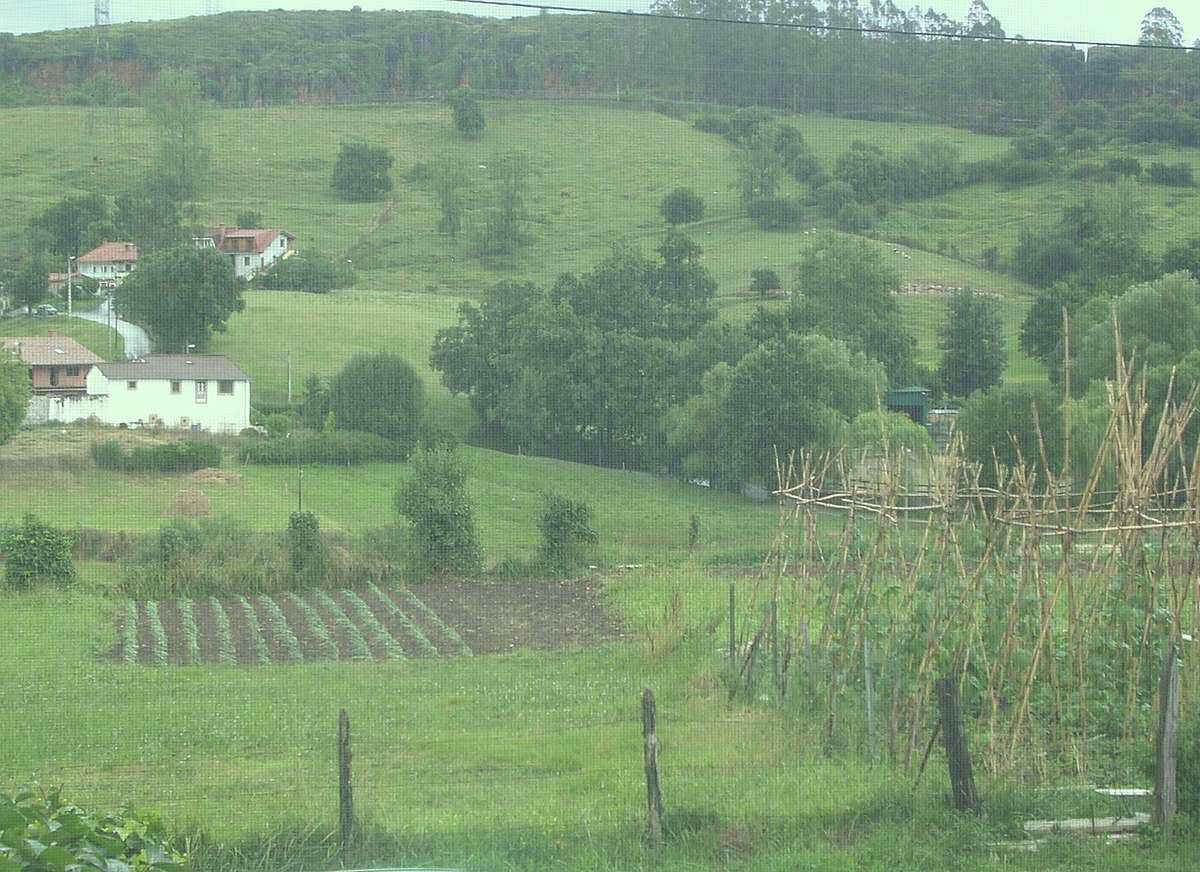
Ese vaivén diario ha llenado los alrededores de rotondas y urbanizaciones nuevas. Pero entremedias, sigue existiendo otra versión del municipio. La de las huertas pequeñas, los gallineros junto a las casas y los tractores que aparecen sin avisar en una curva. Ambas realidades conviven sin demasiado roce.
A veces Piélagos parece un pueblo grande. Otras, una prolongación natural de Santander. Ese vaivén es su identidad.
Las dunas de Liencres: un paisaje que se mueve
Las Dunas de Liencres son la postal conocida. Y tienen razón en serlo.
Desde el aparcamiento principal se ve la playa de Valdearenas, ancha y larga, con el monte detrás. Pero lo interesante está más arriba. Si subes por el sendero entre los pinos, llegas a las dunas móviles.
El viento las remodela constantemente. Los pinos crecen torcidos, luchando contra la arena que avanza poco a poco. Es un paisaje inesperado aquí: tiene algo de desierto miniatura pegado al Cantabrico.
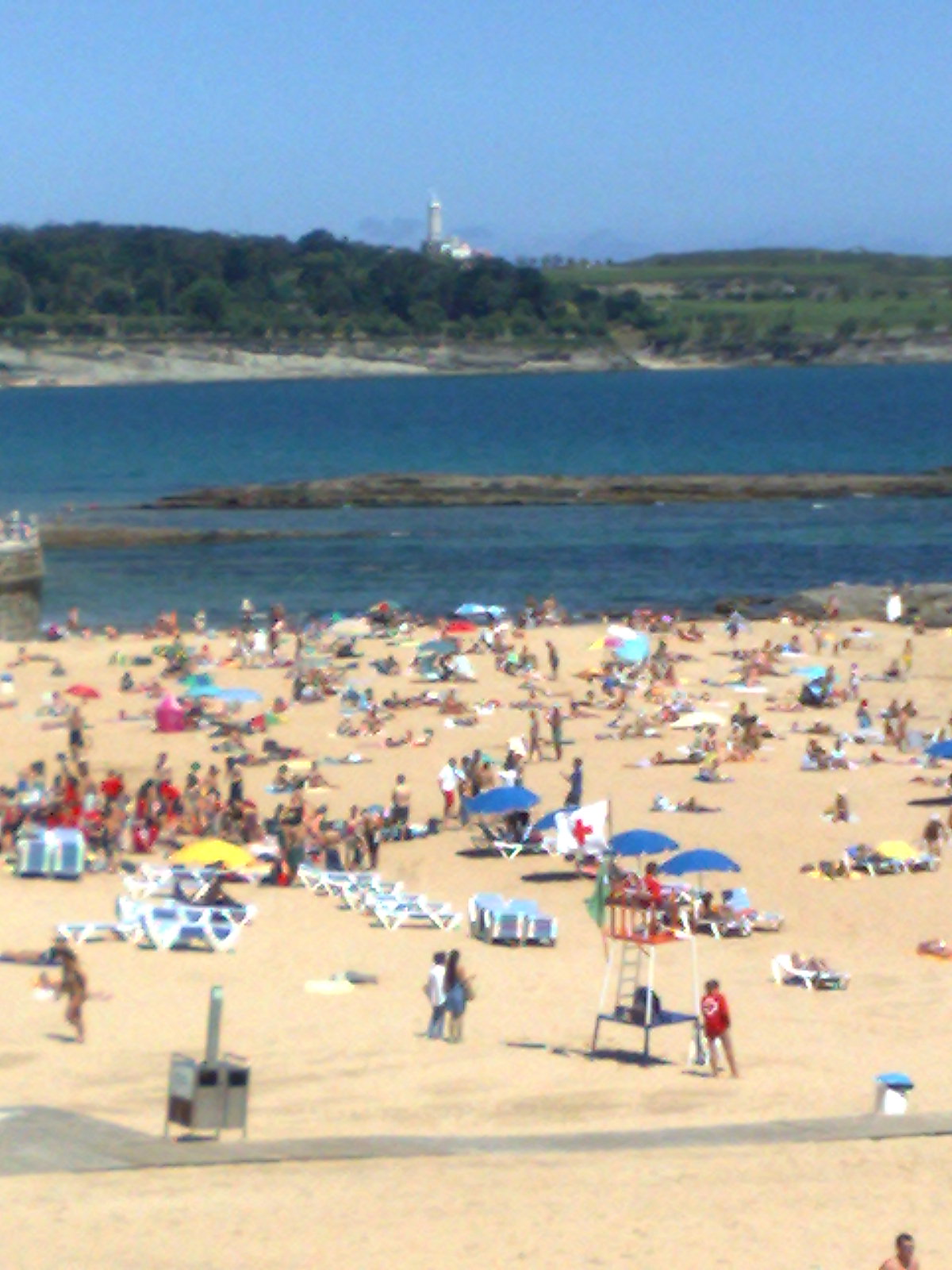
En pleno agosto, Valdearenas bulle. Pasado septiembre, recupera esa paz ancha y ventosa que es su estado natural. Mi recomendación es venir un día de marejada; ver las olas romper contra esa extensión de arena es mucho más espectáculo que un día plano de verano.
Huellas antiguas (y discretas)
La historia aquí no grita; susurra.
En las cuevas de Santián y Calero II hay pinturas rupestres. No son Altamira; son trazos rojos sencillos, a veces difíciles de distinguir. Que no sean famosas es una ventaja: las ves en silencio, casi a solas. Te sitúan en un territorio llevado habitando miles de años.
Luego está la Estela de Zurita. La original está en el Museo de Prehistoria de Santander; en el pueblo hay una réplica exacta. Es una piedra grande con grabados geométricos. La gente para a mirarla, hace una foto, y sigue su camino. Su significado exacto se perdió, pero su presencia impone.
La vida diaria como principal atracción
Aquí no hay una catedral que domine el skyline ni un casco histórico monumental. El protagonismo lo tiene lo cotidiano.
Son las plazas donde se junta gente a hablar después del trabajo. Son los bares donde se echan partidas de cartas que no acaban nunca. El vermú del domingo que se alarga hasta la hora de comer.
Es ese ambiente pueblerino del norte que reconoces al instante: práctico, sin adornos, donde el saludo al vecino es parte del paisaje sonoro.
Perderse por sus carreterillas secundarias
La mejor forma (la única buena) para entender Piélagos es coger el coche y salirte de la nacional.
Toma cualquiera de los desvíos desde Renedo hacia Arce, Quijano o Zurita. Son carreteras estrechas, con curvas cerradas entre prados verdes. Suelen terminar en una plazoleta con una fuente o un frontón vacío.
No hay nada espectacular que ver ahí. Y ese es el punto.
Parar un rato en ese banco es lo que te explica todo: el ritmo lento, la importancia del espacio abierto, cómo la vida gira alrededor del pueblo propio más que del municipio grande.
Piélagos no funciona como destino para una lista de visitas obligadas. Funciona como lugar para pasar un día sin prisa, dejando que las horas pasen sin mucho plan. Es más parecido a visitar a un familiar que vive fuera que a hacer turismo. Te vas más tarde de lo previsto, y no sabes muy bien por qué