Full Article
about Santa Cruz de Bezana
Beaches on the Santander coast
Hide article Read full article
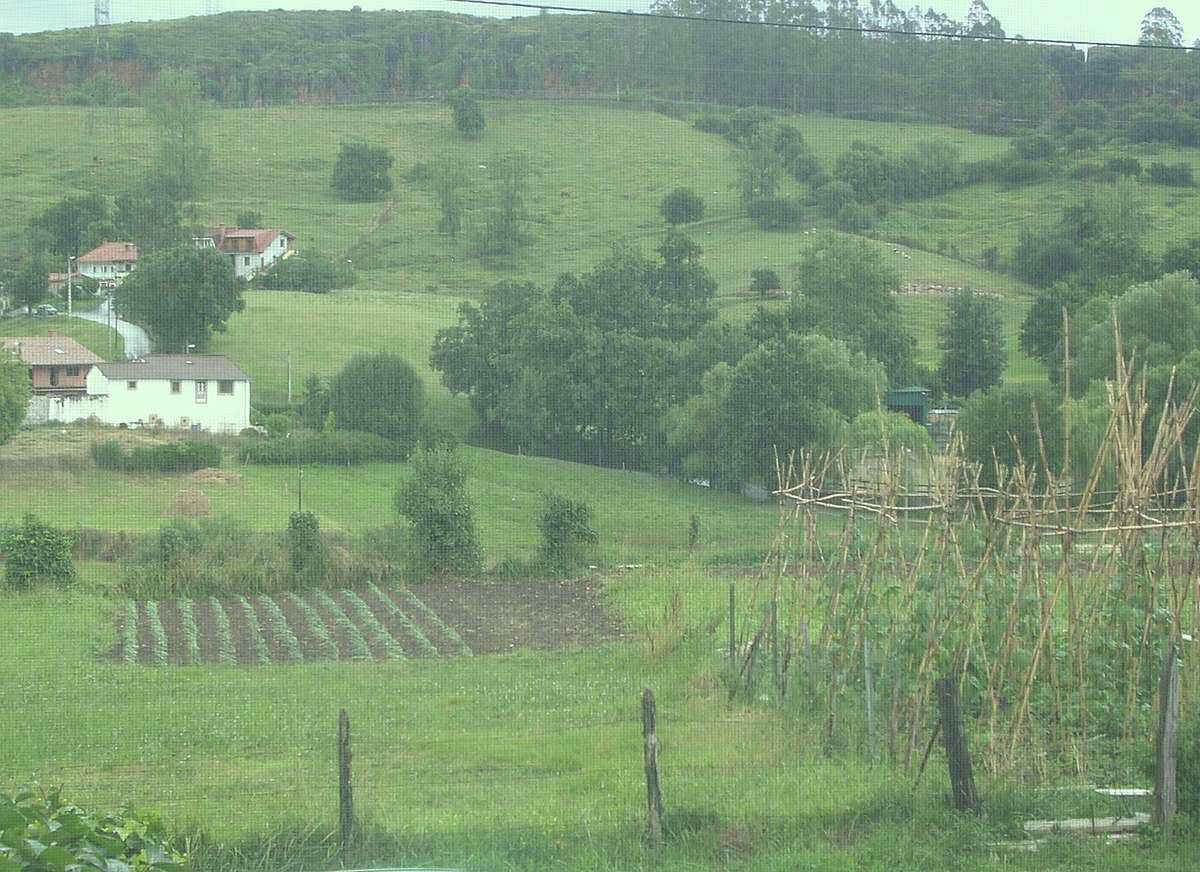
At nine in the morning, as the coastal mist begins to lift, the fields of Santa Cruz de Bezana smell of damp grass and sea air. It is no coincidence. The Cantabrian Sea lies only a few minutes away and, on clear days, the wind carries the low, steady sound of waves breaking against the cliffs around Soto de la Marina.
Santa Cruz de Bezana is not a single compact town. It is a group of settlements that have gradually grown between local roads and farmland: Azoños, Maoño, Mompía, Prezanes, Sancibrián, Soto de la Marina and Bezana itself. Old paths still link them, routes that once connected villages and market gardens over centuries. Some overlap with stretches of the Camino de Santiago, the pilgrimage routes that cross the Cantabrian coast before reaching Santander.
From the A‑67 motorway, everything feels fast and fragmented. New housing estates sit alongside agricultural buildings, and church towers rise here and there above the trees. Leave the motorway, though, and the pace shifts almost immediately.
Morning bells and everyday rhythms
In Azoños, when the church bell rings, the sound travels down the small valley and echoes off scattered houses. The current building stands on the site of earlier structures. Its outer stone, weathered by salty air, has that familiar coastal tone somewhere between grey and honey.
By mid-morning, the bench by the church porch rarely stays empty for long. People stop on their way back from buying bread, someone pauses with a dog, conversations drift from the weather to the price of animal feed or a son now working in Santander. These are small scenes, but they help explain how these places function: close to the city, yet still tuned to the rhythms of the countryside.
Mompía is only a short drive away. In winter, as evening falls, the smell of burning wood lingers between the houses. The Ermita del Rosario, simple and whitewashed, stands on a rise overlooking the valley. From there, the constant hum of the motorway can still be heard, softened by distance.
Where the land meets the Cantabrian Sea
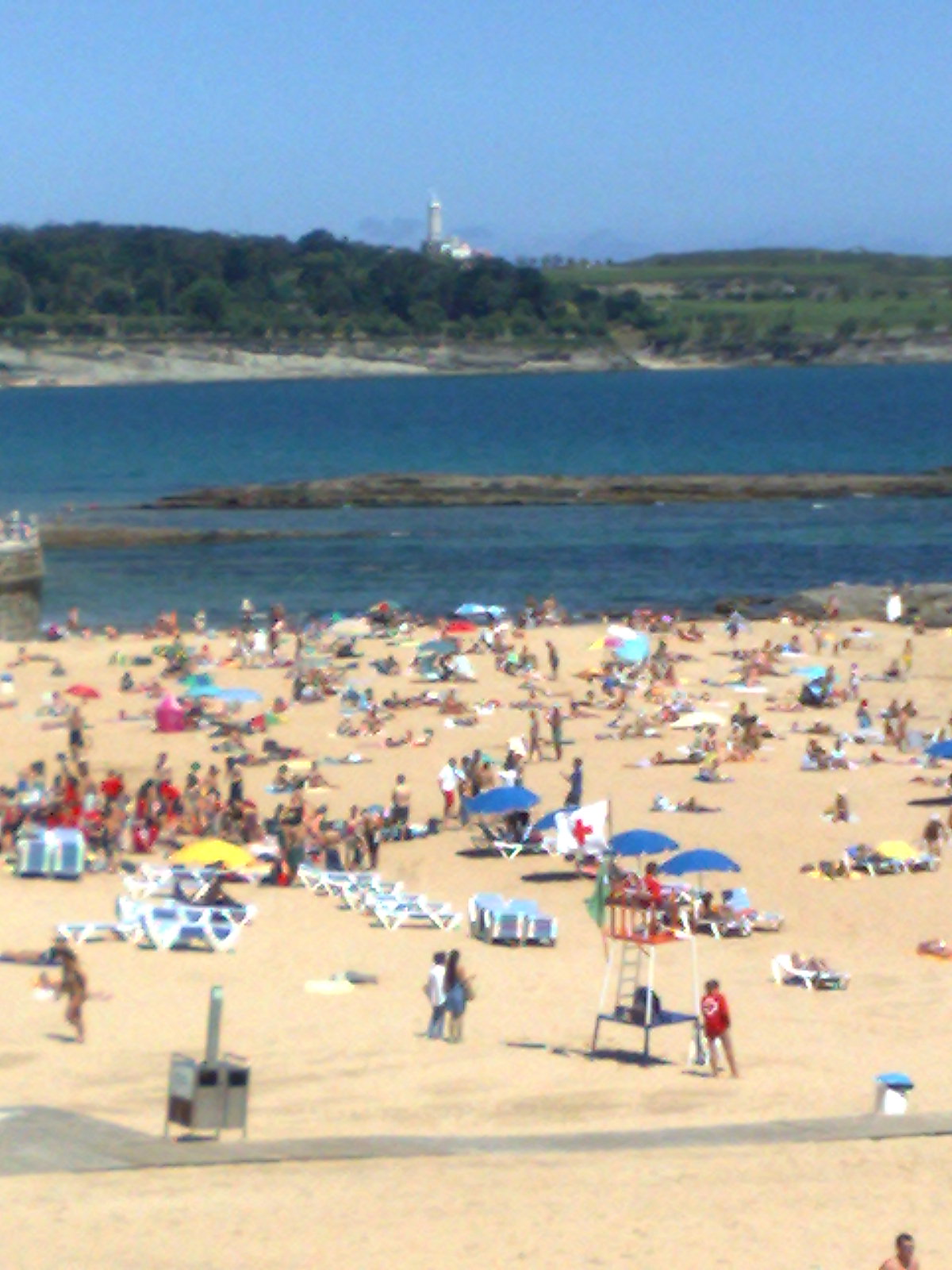
Soto de la Marina marks the point where the municipality reaches the coast. The landscape shifts. Meadows end abruptly at cliffs, dirt paths trace the shoreline, and below lies the beach of San Juan de la Canal, set between rock walls.
On the night of San Juan, a midsummer celebration held on 23 June across much of Spain, this beach draws people from nearby areas. As dusk settles, small bonfires begin to appear on the sand. Groups of friends and families gather with cool boxes and folding chairs, the smell of sardines mixing with the damp smoke drifting in from the sea. By morning, the wind has cleared the beach again, leaving only dark marks in the sand.
For the rest of the year, the atmosphere is quieter. In the mornings, some head down the path carrying surfboards, while others walk slowly along the cliff edge, watching how the colour of the water shifts with the tide.
Older houses among newer streets
Between more recent housing developments, older buildings still appear, reminders of an earlier stage in the municipality’s life. In Maoño and in parts of Soto, traditional casonas montañesas remain, large rural houses typical of Cantabria, with wooden balconies and coats of arms worn down by years of rain.
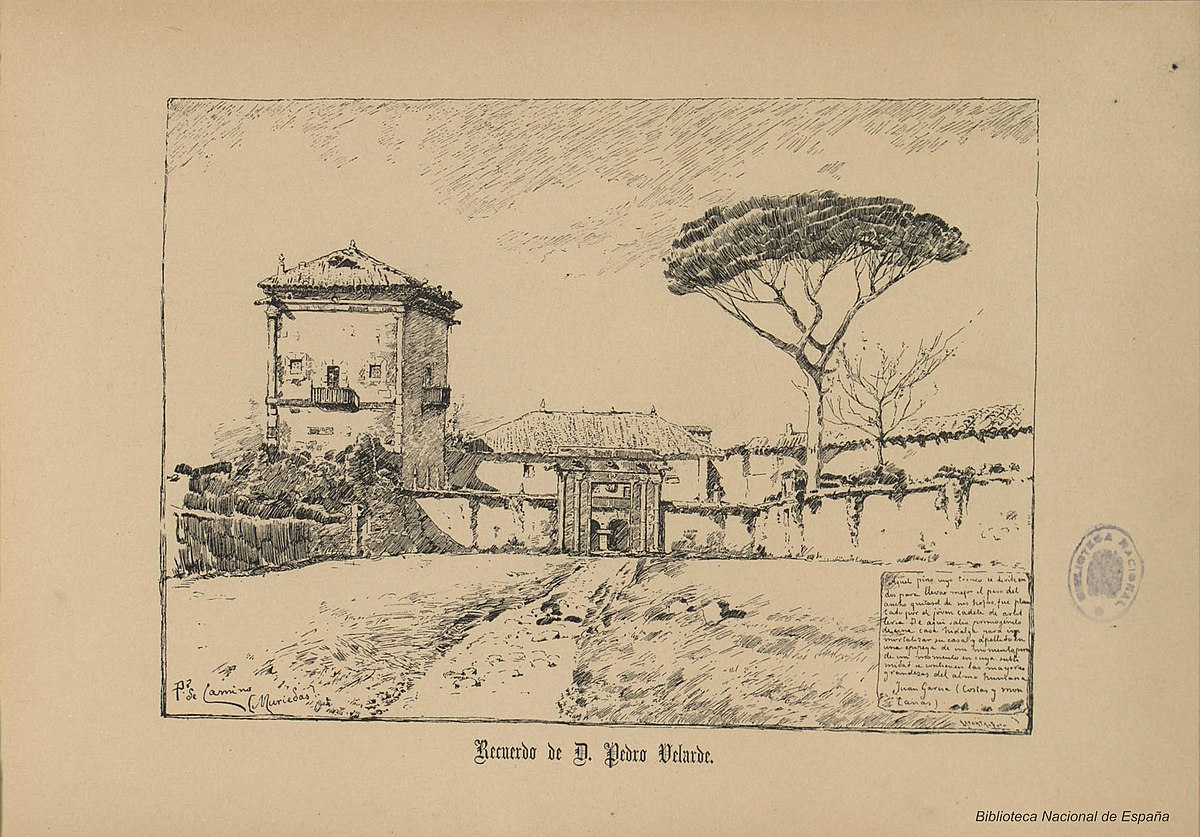
Soto de la Marina is also linked, traditionally, with the family of José de Escandón, an 18th-century military figure associated with the founding of territories in northern Mexico. Some local references place his origins in this area. Today, what remains are mainly historical mentions and buildings that have since been converted into private homes.
Walking through these neighbourhoods reveals an unusual contrast. On one side, there are modern detached houses with small gardens. Directly opposite, a stone house with a large entrance still used to store tools or firewood.
When to come and what to expect
Spring is often the most rewarding time to visit. The fields are at their greenest, the wind has not yet brought the busy feel of summer, and the beaches can be explored at a slower pace.
If travelling by car from Santander, allow extra time in summer. The road towards Soto de la Marina and San Juan de la Canal tends to become quite busy at weekends. Weekday mornings feel different: neighbours running errands, cyclists on the old road, and the first terraces beginning to open.
Public transport connects the area with Santander, though services do not always run frequently through every settlement. For moving between villages or heading down to the coast, a car remains the most practical option.
And if directions are needed, whether for a path or the way down to the beach, the answer will likely come in the middle of a conversation in a local shop or bakery. Here, instructions are rarely found in a leaflet. They are given from memory, often with a hand gesture pointing towards the next bend in the road.