Full Article
about Villaescusa
Nature near Santander
Ocultar artículo Leer artículo completo
The cows outnumber the tourists here. That's your first clue that Villaescusa isn't trying to be anything other than what it is: a working Cantabrian village where tractors have right of way and the day's rhythm follows farm schedules rather than TripAdvisor ratings.
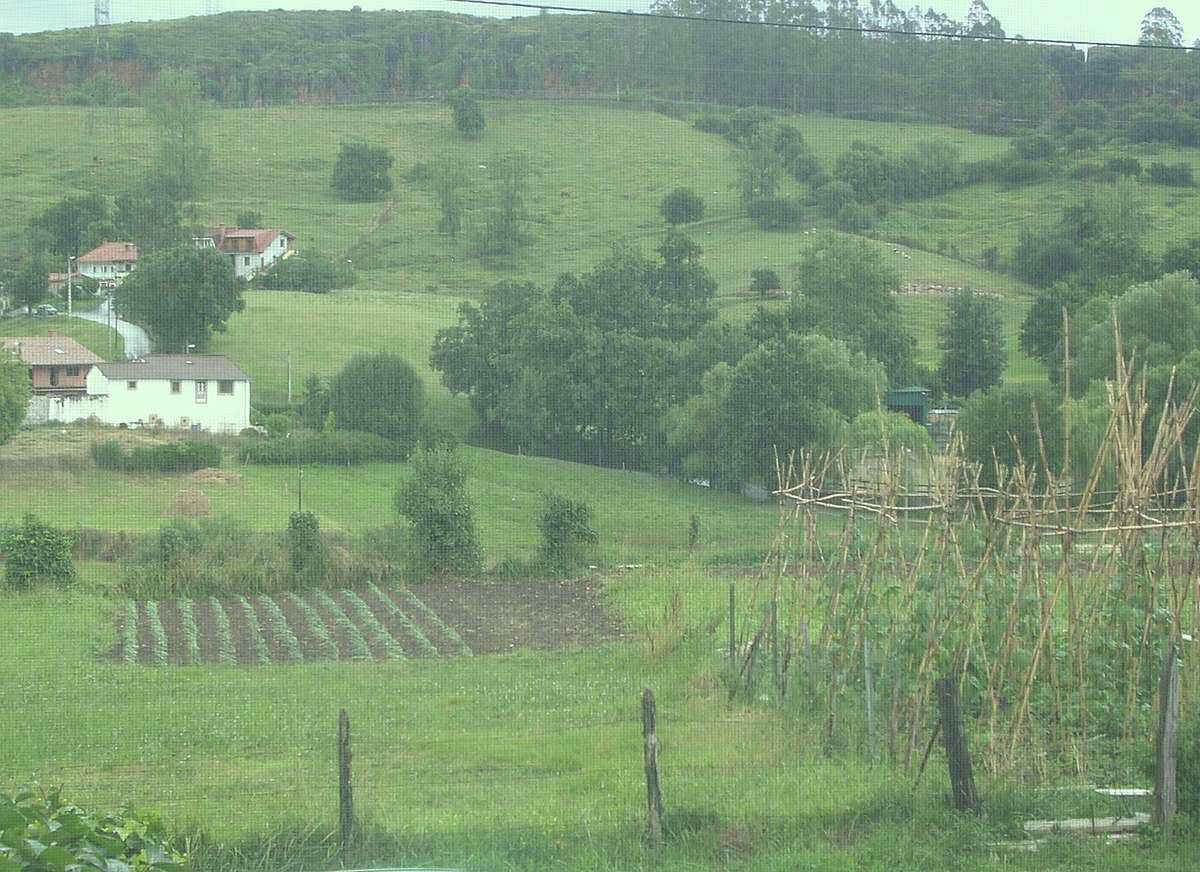
Five minutes beyond Santander's ring road, the landscape shifts. Apartment blocks give way to stone walls and scattered farmsteads. The air changes too – heavier with moisture, tinged with the earthy scent of livestock and cut grass. At 200 metres above sea level, Villaescusa sits high enough to escape coastal humidity but low enough that the mountains remain a backdrop rather than a barrier.
The Architecture of Everyday Life
There's no postcard-perfect plaza here. Instead, Villaescusa spreads across several small neighbourhoods – Liandres, Hoyos, San Martín – each essentially a cluster of traditional houses around a church. The real pleasure lies in wandering between them, noticing how Cantabrian builders adapted to both climate and circumstance.
In Liandres, wooden balconies stretch from stone houses like practical afterthoughts. They're not decorative; they serve as covered walkways during the region's frequent rain. Look closer and you'll spot the tell-tale signs of genuine occupation: washing lines strung between buildings, tools propped against doorways, the occasional tractor parked where you'd expect a tourist information board.
The Church of San Martín de Hoyos embodies the village's pragmatic approach to heritage. If it's open, step inside to see modest baroque altarpieces that speak to centuries of parish life. If not, the exterior tells its own story – stone walls thickened by time, a bell tower that once summoned workers from fields stretching to the horizon.
Walking Without Purpose
Villaescusa's greatest attraction requires no ticket office. A network of agricultural tracks connects the neighbourhoods, following centuries-old rights of way between properties. These aren't marked trails with reassuring way-markers; they're working paths that smell of manure and wild herbs, where you'll share space with the occasional farmer checking livestock.
The walking is gentle but rewarding. Follow any track upwards and within twenty minutes you'll gain enough elevation to see Santander's bay glinting in the distance. On clear days, the Picos de Europa emerge on the western horizon, snow-capped even in late spring. The landscape rolls rather than soars – pastureland dotted with oak and chestnut, stone walls creating irregular patterns across hillsides that glow emerald after rain.
Spring brings the most dramatic transformation. From March onwards, meadows burst with wildflowers: purple foxgloves, yellow gorse, white hawthorn blossoms. By May, the verges are thick with ferns unfurling their prehistoric fronds. Autumn arrives early at this altitude – by late September, chestnut trees drop their spiny cases along paths, and morning mist pools in valleys between the hills.
The Food Question
Let's be honest: Villaescusa won't satisfy culinary thrill-seekers. The single bar in Liandres serves solid, unpretentious food that reflects what locals actually eat. Try the tosta de queso de Valdeón – blue cheese melted on country bread, milder than it sounds and an accessible introduction to Spain's mountain cheeses. The leche frita (literally 'fried milk') tastes like custard fingers rolled in cinnamon sugar – comfort food that transcends cultural boundaries.
For anything more elaborate, you'll need wheels. The nearest supermarket sits 25 minutes away in Reinosa, and the smart money stocks up at Mercadona in Aguilar de Campoo before turning off the A67. This is self-catering territory, where holiday cottages come with fully equipped kitchens because they have to.
Casona Dos Lagos, the village's single accommodation with English-speaking staff, understands its clientele. They'll grill salmon or chicken breasts for children who balk at cocido montañés, the regional bean and meat stew that arrives in portions sized for agricultural labourers. Guests consistently praise the silence – proper dark-sky silence broken only by owl calls and the distant hum of milking machines starting at dawn.
Practical Realities
Villaescusa rewards those who arrive with realistic expectations. Public transport exists in theory – a weekday bus from Reinosa that deposits passengers at 14:30 and collects them at 06:45 next morning. In practice, you need a car. Sat-nav co-ordinates often direct to the wrong side of the river; follow the brown signs for Casona Dos Lagos after passing through the village proper.
Mobile coverage remains patchy. Vodafone users fare best, EE customers get intermittent signal, and O2 subscribers should consider themselves incommunicado. The hotel Wi-Fi handles WhatsApp messages adequately but struggles with voice calls – genuinely disconnected holidays happen here by default rather than design.
Weather demands respect. What appears a gentle stroll on Google Maps becomes a muddy obstacle course after several days of rain. The clay soil clings to footwear with determined persistence; bring boots you don't mind sacrificing to the cause. Even summer evenings require layers – at 200 metres elevation, temperatures drop sharply after sunset, and that refreshing coastal breeze becomes a chilly mountain wind.
Beyond the Village
Villaescusa works best as a base rather than a destination. Santander's urban attractions lie 25 minutes east – the ferry terminal, the Botín Centre's contemporary art, beaches where you can swim without wetsuits until October. Westward, the A67 threads through spectacular gorge country toward Aguilar de Campoo, where a perfectly preserved medieval castle rises from a rocky outcrop.
The Picos de Europa start proper an hour's drive south, but you can sample their grandeur at Cabárceno Nature Reserve – 750 hectares of semi-wild park where bears, elephants and giraffes roam across former open-cast mines. It's tourism, certainly, but conceived on such a scale that crowds disperse across landscapes large enough to absorb them.
The Bottom Line
Villaescusa offers something increasingly rare: a Spanish village that hasn't repositioned itself for visitors. You'll find no artisan cheese shops, no guided tours of carefully restored monuments, no restaurants serving deconstructed regional cuisine. What you get instead is authentic – sometimes inconveniently so, occasionally surprising, always genuine.
Come here to understand how most Spaniards actually live in rural areas. Walk the agricultural tracks, observe the stone architecture evolved over centuries, eat where farmers eat, and sleep where silence is so complete you can hear your own heartbeat. Just don't arrive expecting to tick boxes or collect experiences. Villaescusa gives you what it has, nothing more – which, it turns out, is rather a lot.