Full Article
about Argoños
Gateway to the marshes
Hide article Read full article
A place that reveals itself slowly
Some places make sense straight away. Others take a bit of watching. Argoños belongs firmly in the second group. Tourism here is really about marshland, tides and a certain patience. Anyone arriving in search of a historic centre packed with monuments may feel underwhelmed at first. Those who enjoy observing a landscape and noticing how it shifts with the water tend to settle into it more easily.
The municipality has around 1,800 inhabitants and spreads out without much fuss. Low houses, quiet streets and a large amount of land that is effectively part of the wetland define the layout. The sea is not always visible, yet its presence is constant.
The shape of the place
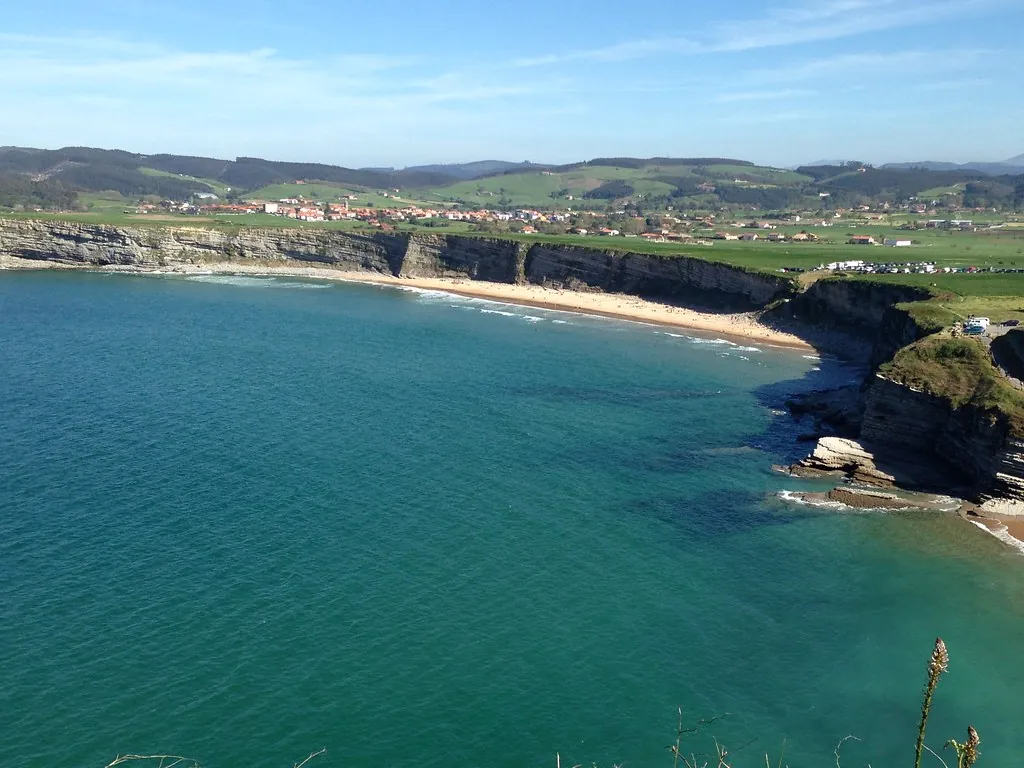
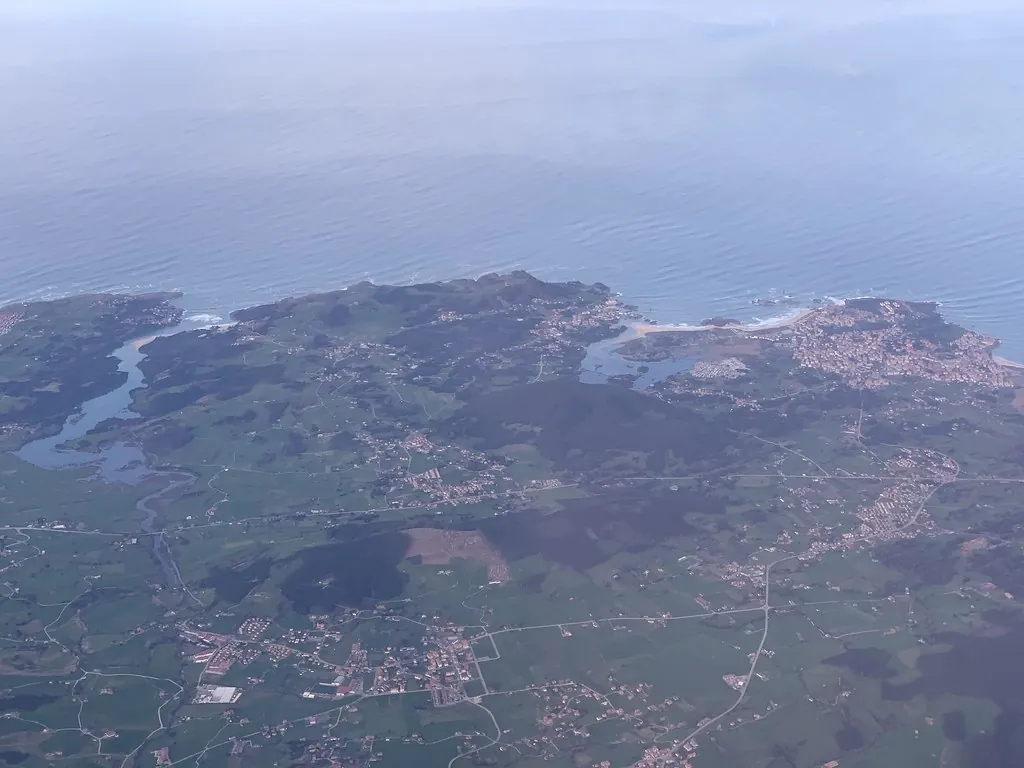
Argoños sits right beside the Parque Natural de las Marismas de Santoña, Victoria y Joyel, a protected marsh area on the Cantabrian coast. That setting determines almost everything. The terrain is flat and open, and the skyline often holds more birds than buildings.
This is not a place to explore by studying façades or ticking off landmarks. It feels closer to driving through market gardens near the sea, then suddenly spotting water between reeds. Land, channels and mud form the basic rhythm of the landscape.
Streets appear where the ground allowed them rather than following a grand plan. There is no clearly defined monumental centre. Instead, Argoños is made up of calm residential pockets that face towards the marshes.
Walking along the wetland edge
The most interesting parts of Argoños lie at its edges. A short walk beyond the built-up area brings you to tracks and paths that lead towards the estuary.
The experience shifts depending on the tide. At times the landscape looks like a still sheet of water. When the tide drops, sandbanks appear, along with dark mud and narrow channels where birds move about. That constant change gives the area its character.
Wildlife is present for much of the year. Herons are a common sight, flocks of waders pass through, and the sound of gulls carries across the open ground. Long hikes are not necessary. Following one of the paths that run alongside the marsh and stopping now and then is enough to get a sense of the place.
One practical detail stands out. After rain, the ground can become quite soft. It is manageable, though footwear that can handle a bit of mud makes things easier.
A small quay and life by the estuary
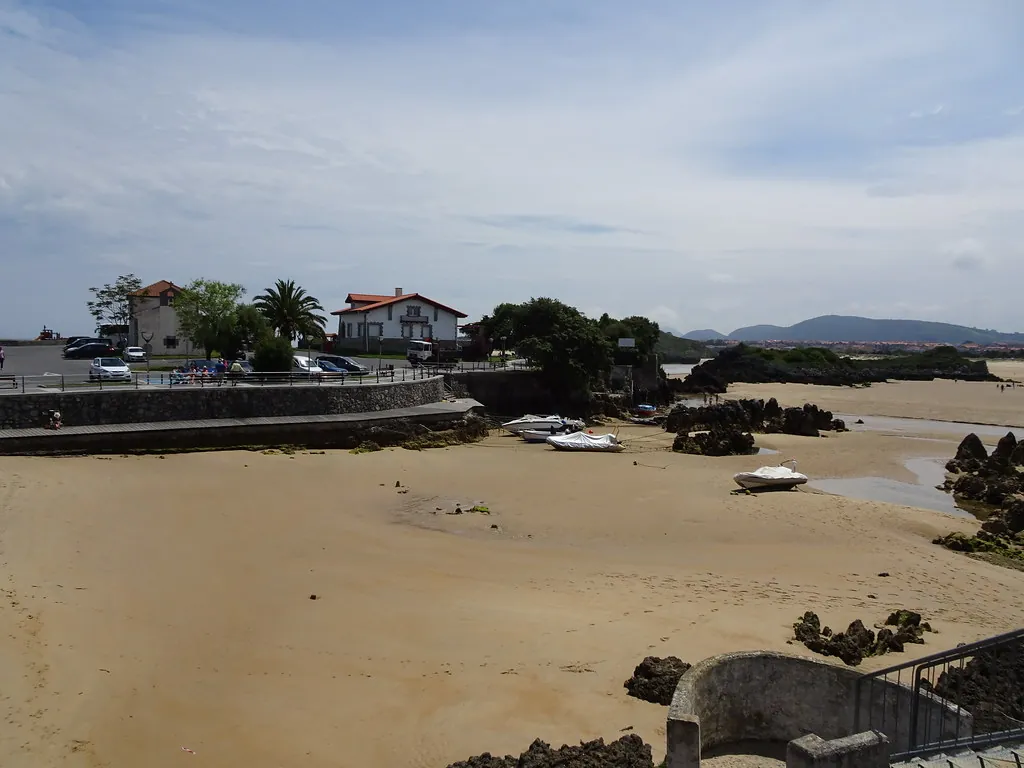
Near the water there is a small quay that reflects how the village relates to its surroundings. It is not large and does not aim to impress, yet it helps explain the historical link with fishing and the estuary.
At high tide, the scene feels orderly, almost like a smooth surface of water. When the tide goes out, the view changes noticeably. Sandy bottoms and muddy areas come into view, along with small structures connected to shellfishing or local fishing activity.
It is the kind of place where time passes quietly. The sound of water, the slow movement of a boat, and very little else. The appeal lies in that simplicity rather than in any particular spectacle.
San Pelayo and the village centre
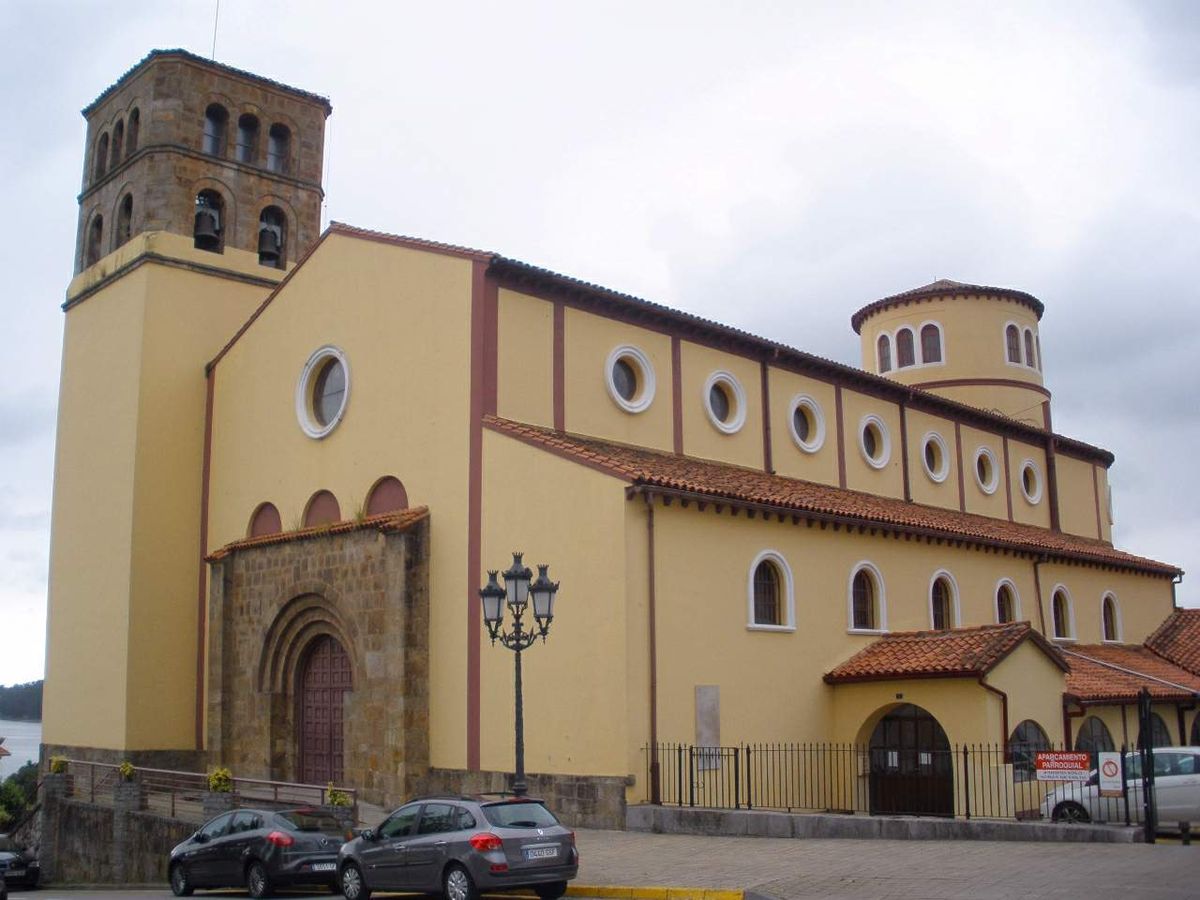
The iglesia de San Pelayo acts as a reference point within Argoños. It is not a monumental building, though it helps with orientation because it sits close to several of the main streets.
The surrounding area is made up of fairly simple traditional housing. Light-coloured façades, window grilles and practical construction define the look. These are homes built for everyday life rather than for display.
Local festivities tend to revolve around this part of the village and around the saint himself. They are traditionally held towards the end of June. The atmosphere remains that of a small community, with straightforward events and no sense of large crowds. It matches what one would expect in a municipality of this size.
What a visit feels like
Argoños does not take long to see, and there is no need to pretend otherwise. It is not a place that fills an entire day within the urban area alone.
It works better as a quiet stop within the wider Trasmiera region, or when already travelling around Santoña, Noja or the nearby beaches. The pattern is simple: park, walk towards the marshes, head to the quay, and watch how the landscape shifts with the tide.
Checking the tide in advance can make a noticeable difference. With high water, the scene turns calmer and more uniformly blue. At low tide, channels appear, birds become more visible, and the dark mud that defines the area comes to the fore.
Argoños does not try to impress. It offers something quieter: a way of understanding how a place functions when the main feature is neither a square nor a set of buildings, but the water that moves in and out each day.