Full Article
about Arnuero
Wild beaches of Trasmiera
Hide article Read full article
Arriving and getting your bearings
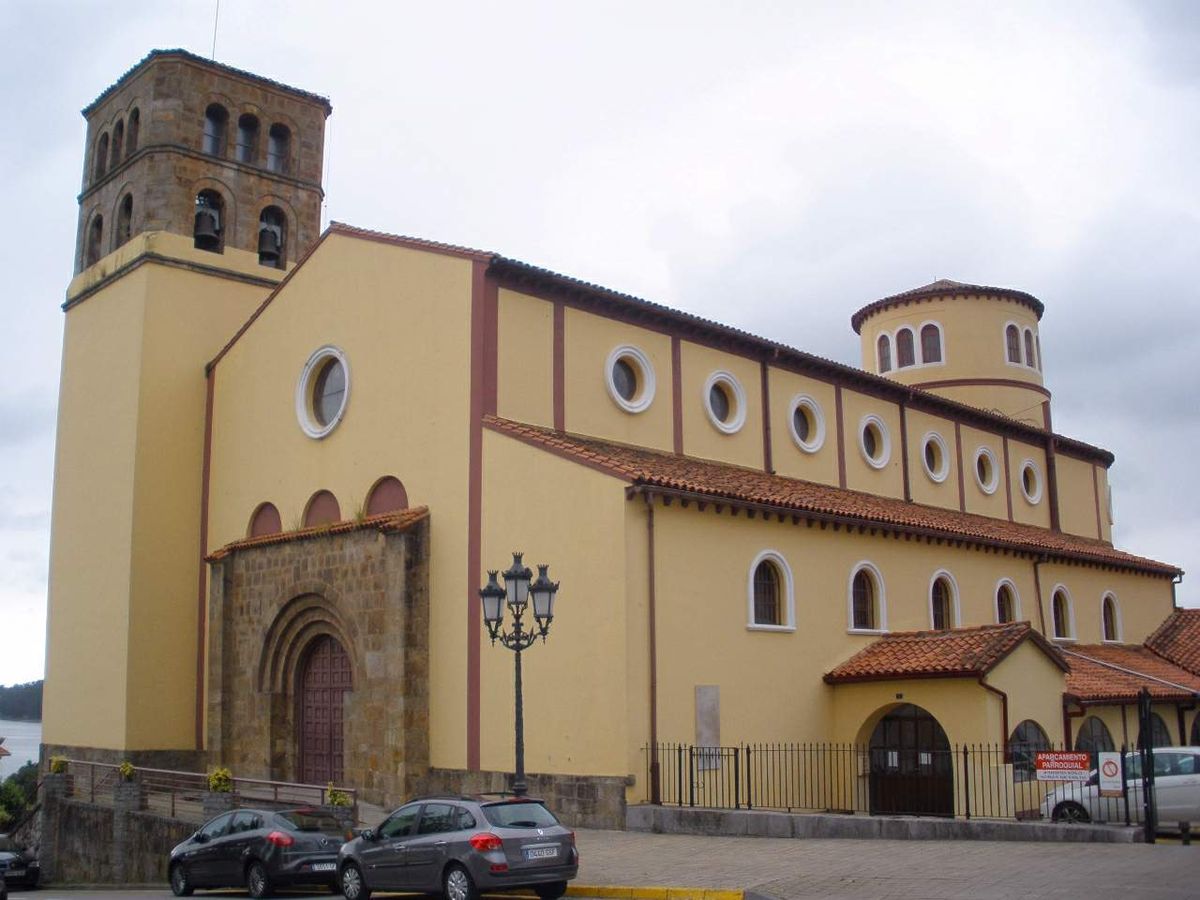
Park at the top and walk down. That is the simplest way to approach Arnuero. The village is small, and its centre is little more than a stretch of road with a couple of bars and the parish church. It does not put on a show.
Arrive around midday and you may find almost everything closed apart from the petrol station. That is not unusual here. Daily life follows its own rhythm, and it does not adjust itself for visitors.
This first impression tends to define the place. Arnuero is not built around tourism, even though it sits on a stretch of coast that draws plenty of people in summer. It feels more like a working village that happens to receive visitors than a destination designed for them.
What’s worth seeing, and what isn’t
The Iglesia de la Asunción holds a 16th-century altarpiece. It is well preserved and quietly displayed, without much fanfare. It is worth a look, though expectations should be measured.
More visually striking is the Torre de Venero in Castillo. This medieval tower stands out from the road and does not require an entrance ticket or any detour. It is simply there, part of the landscape, easy to take in without planning around it.
For a broader view, Monte Cincho rises to around 240 metres. At the top sits a castro, an ancient hill settlement, and from there the landscape opens towards the Santoña estuary. The walk up is roughly three kilometres and not particularly steep. It is a long but straightforward walk rather than a demanding hike.
Nearby Isla has a livelier feel. The Palacio de los Condes de Isla dominates much of the main square, and within easy reach are the medieval towers of Cabrahigo and Rebollar, both in good condition. This area carries more visible traces of the past, set within a slightly busier setting.
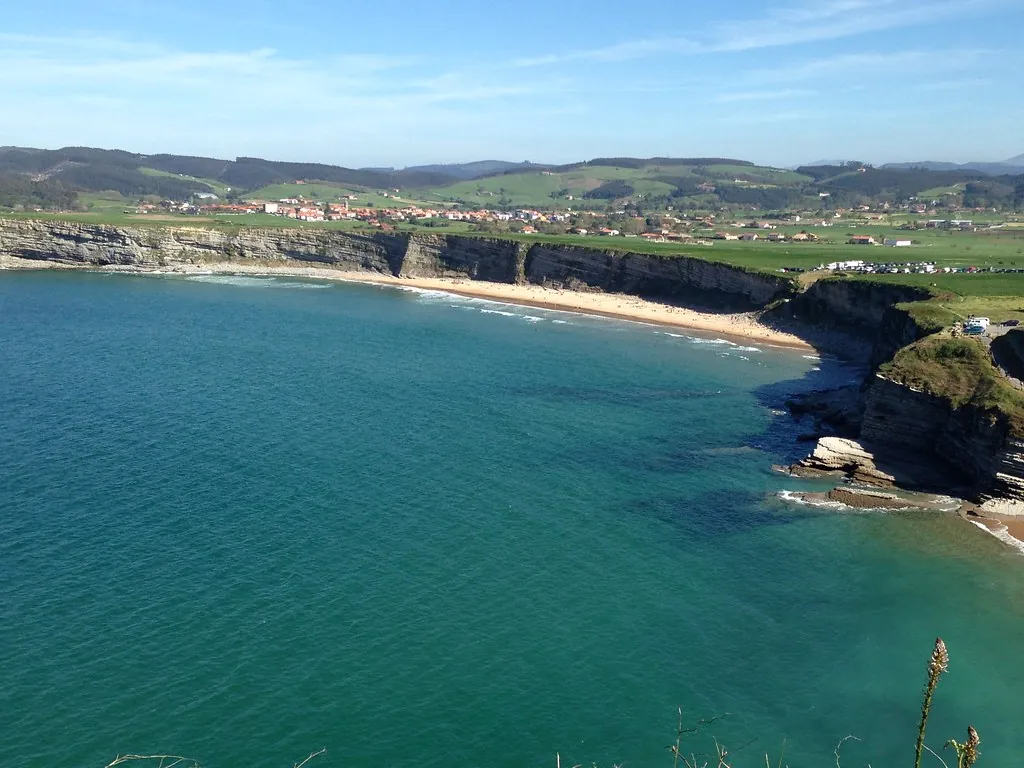
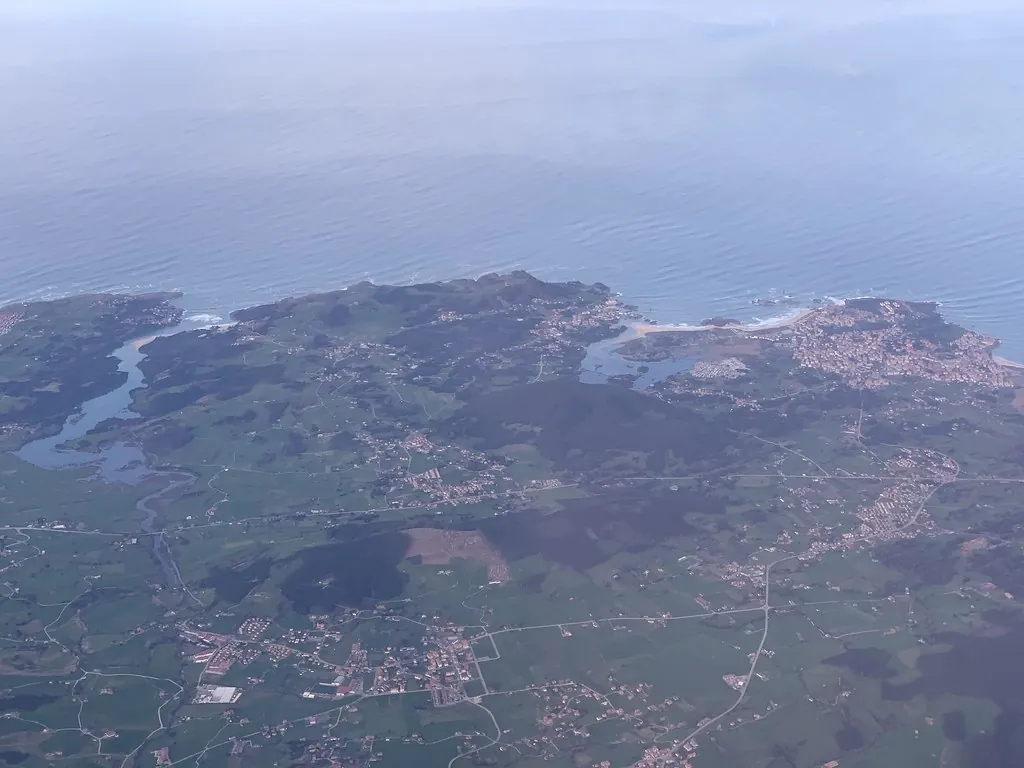
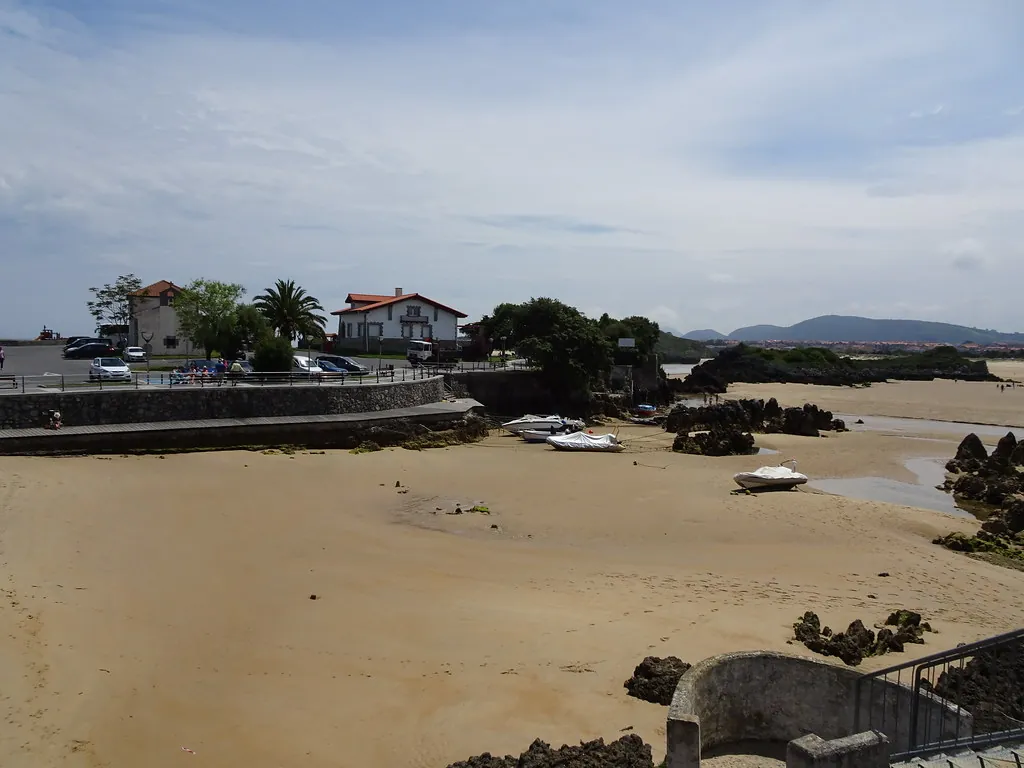
La Arena beach also belongs to Isla. It has a blue flag, a European marker of water quality and services, but in August it fills quickly with towels and people. June and September tend to be calmer alternatives, with the same stretch of sand and fewer crowds.
Eating without overthinking it
Local food in this part of Cantabria is straightforward and tied to what is grown or caught nearby. One of the most recognisable products is the pimiento de Isla, a type of sweet red pepper still cultivated in family gardens. If you happen to know someone locally, you might even be given a few. In season, they appear regularly on menus.
Caricos are another local speciality. They are a small variety of chickpea from the area. They are decent, simple, and not dressed up as anything more than they are.
Seafood is present, especially lobster and spiny lobster. Much of it comes from natural coastal nurseries nearby. Prices can vary, so it is sensible to check before ordering. Beyond that, meals tend to follow the same unpretentious line as the village itself.
Walking at an easy pace
The Ecoparque de Trasmiera connects villages and natural areas through a network of marked routes. These paths are not technical and are generally easy to follow.
One of the simplest options is the route along the cliffs of Cabo Quejo. It is short, with very little change in elevation, and keeps the Cantabrian Sea constantly in view. It works well as a gentle walk rather than a full excursion.
The Monte Cincho route leads up to the castro and then descends towards Castillo. It combines the gradual climb with a change of scenery on the way down.
Another path runs through the Marisma del Joyel, a wetland area important for birdlife. Some sections are sensitive, and in certain stretches it is advisable to check conditions before entering or to go with a guide.
Surfaces are mostly dirt tracks and rural paths. There are no constructed walkways or technical sections. Good footwear makes a difference, as the ground can be uneven.
Timing and practical notes
Spring is often the best moment to visit. The fields are green, there are fewer cars around, and the paths are usually in good condition. The landscape feels open and accessible.
In summer, attention shifts towards La Arena beach. With that comes heavier traffic, particularly around Isla and the coastal roads.
If travelling by car, it helps to leave the vehicle in the higher parts of the village and walk down. Parking near the beaches is limited, and in peak season it becomes more complicated.
Closed shoes are a sensible choice. Paths here are made of earth and stone rather than smooth walkways, and conditions can change with the weather.
Arnuero does not stretch to a full week of activities. A couple of days is enough to see the village, take a walk or two, and spend some time in Isla. It remains a quiet corner of the Cantabrian coast, without trying to be anything else.