Full Article
about Astillero
Seaside town on the bay
Hide article Read full article
Where the Bay Sounds Like Work
At five in the afternoon, when the tide pulls back and exposes the black band along the docks, the air carries a mix of fuel and warm seaweed. From the seafront in El Astillero comes the sharp knock of metal against hull. It is a rough, repetitive sound, as much a part of the setting as the tides or the cranes that cut into the skyline of the bay.
Walking beside the estuary here means moving through an industrial landscape that has never quite separated itself from the sea. Active shipyards still take up much of the shoreline: yellow cranes, long sheet-metal sheds, hulls part-painted. At certain hours, there is the whirr of cutting tools and the echo of pneumatic hammers.
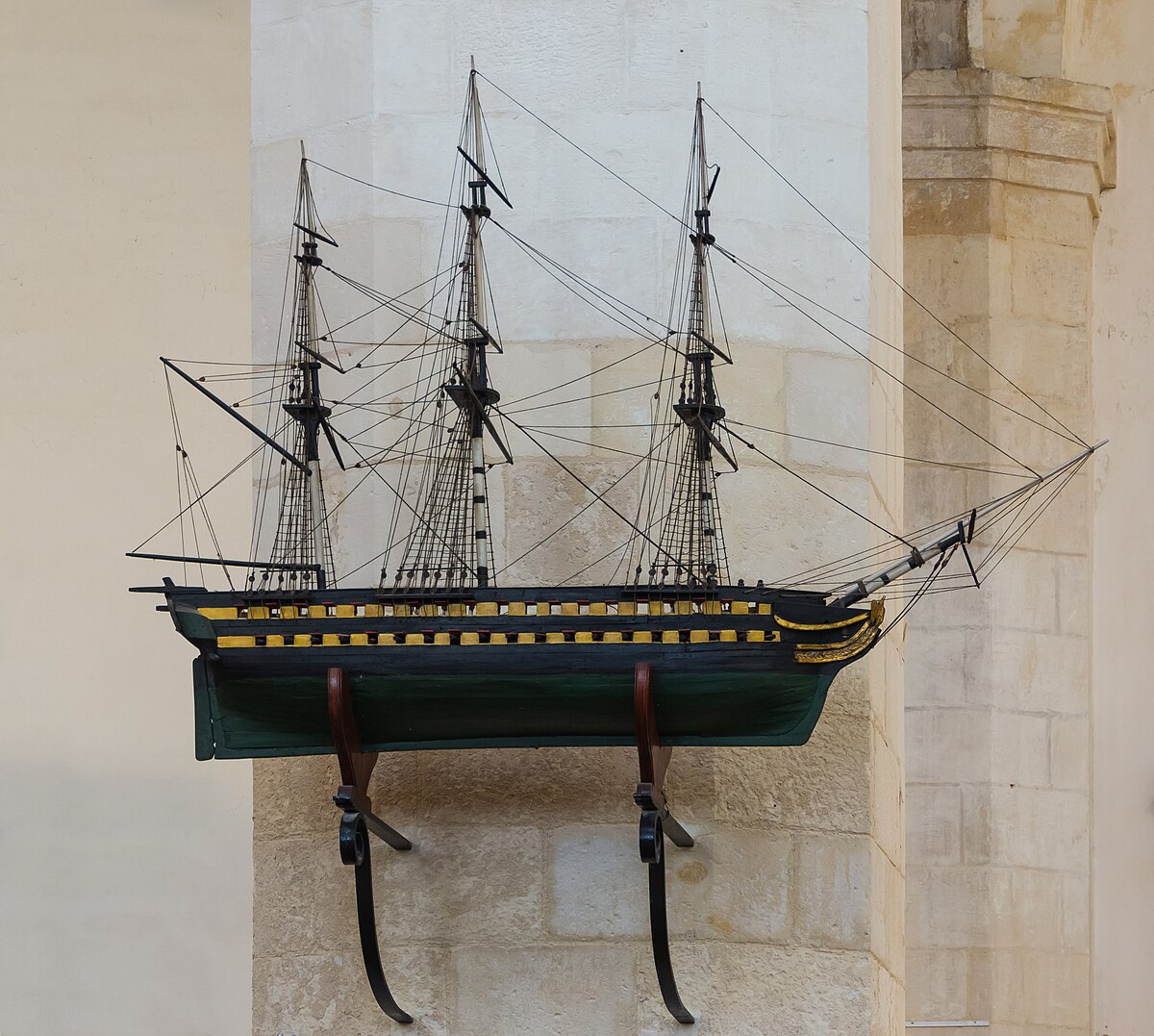
Ships were already being built here in the 16th century, when the Crown established the Real Astillero de Guarnizo in this sheltered stretch of the bay. Timber came down from the slopes of Peña Cabarga, and vessels left for destinations across much of the world. Today the vessels are different, ferries, support ships and large yachts, yet the work keeps a sense of heavy craft: measuring, cutting, welding, measuring again.
Near the end of the working day, by the dry dock, workers file out in overalls marked with antifouling paint, that intense green that sometimes appears on nearby kerbs and guardrails too. Some pause in the square of El Parque. The bandstand has stood there for decades, a little faded now, while people chat without hurry before heading home.
Tracks Through Marsh and Memory
At the edge of the marshland, traces remain of an old mining railway. Its route can still be followed on foot or by bike: a straight path running between reeds and stretches of dark mud. The tracks themselves are long gone, but the line recalls the constant movement of trains that once carried ore from nearby mines down to ships waiting in the bay.
It is barely a couple of kilometres to the point where the river Solía opens into wider water. On one side are rushes, on the other the black surfaces of the marsh, which at low tide release a mineral scent, almost sulphurous. Small birds such as plovers dart across the mud, leaving delicate prints that the next incoming tide will erase.
Here stands the old iron loading structure that many locals still call “el de los Ingleses”. It is long and narrow, stretching out over the water like a suspended pier. In its time, it allowed ore to be tipped directly into the holds of ships. Now it remains as a rusted skeleton above the estuary. When the sun drops towards Santander, the rust turns a deeper red and the noise of the nearby motorway fades into the background.
When the Town Dressed for Summer
Before industry took hold, El Astillero also had a life as a spa destination. In the mid-19th century, well-off families from Santander would cross the bay or arrive by carriage to take the waters of the La Planchada spring, believed to help with gout and certain digestive problems.
Along Avenida de la Constitución, there are still grand houses with wooden bay windows and glass-fronted galleries. Many have changed use over time, but they retain the feel of an earlier kind of summer retreat. In Guarnizo, a house known as La Fontona survives. Local tradition says part of its structure was built using timber salvaged from a shipwreck in the 19th century. Looking closely at beams and window frames, some pieces seem to have lived another life before.
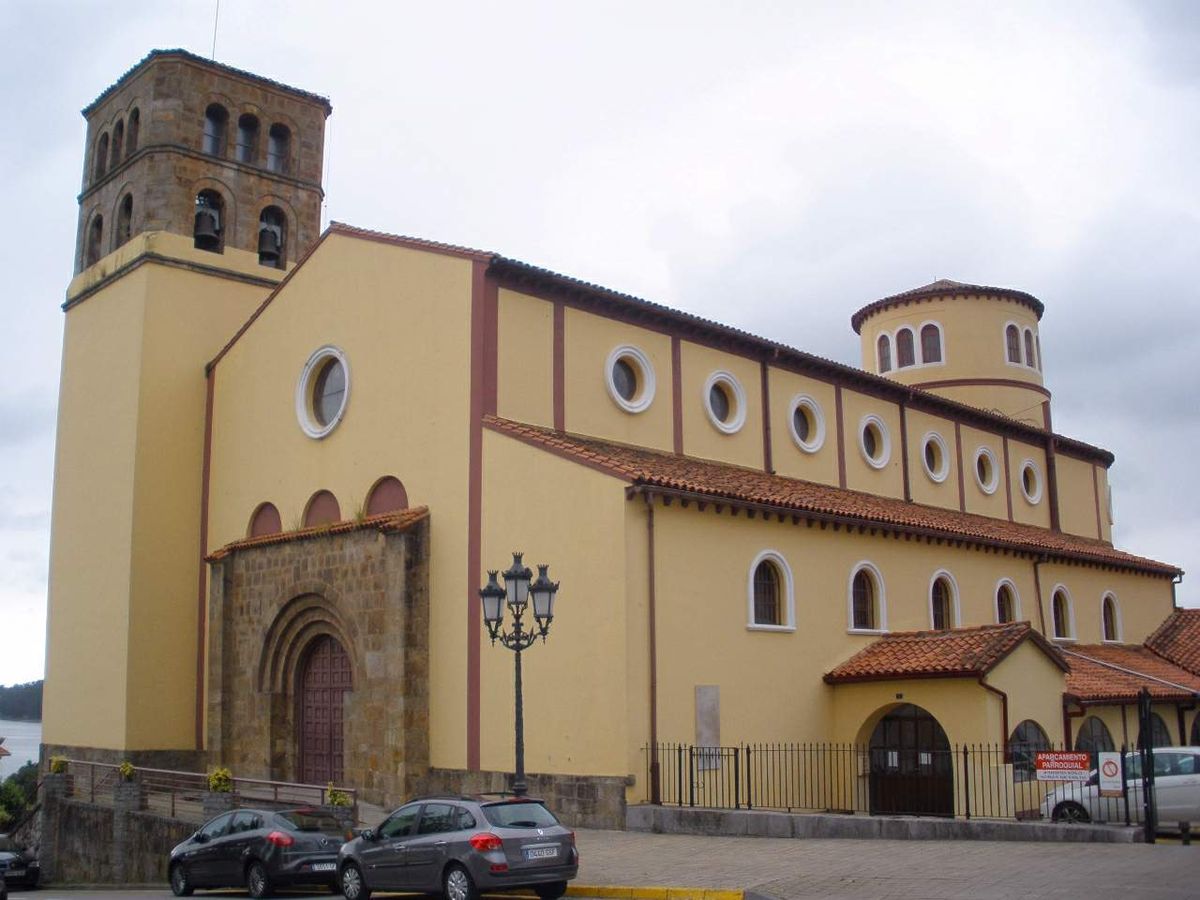
The church of San José, built in the mid-20th century, has something of an upturned boat about it. Its concrete roof forms a curved line like a keel, and the bell tower rises like a mast above the neighbourhood. Inside, light filters through bluish stained glass. On a Saturday morning, it sometimes coincides with rehearsals of the municipal band: slightly uneven trumpets and a drum marking a steady, almost mechanical rhythm.
Firelight and Sweet Sponge
Around 19 March, during the fiestas of San José, Calle Real takes on a different look. Bonfires are lit in certain spots, and families bring chairs outside as night falls. Children often smear their faces with coal, copying the old shipyard carpenters who once worked along the waterfront.
In summer, Guarnizo celebrates the Virgen de Muslera. In the days beforehand, the change is noticeable in the smell drifting from kitchens: butter, sugar and lemon used to prepare mamones, tall sponge cakes split in half and eaten with butter. On the Sunday of the procession, the band moves through the streets, and people gather by the quay to watch the water, commenting on whether the tide is coming in quickly or moving more slowly.
Light, Tides and Timing
Spring is usually the most rewarding time to walk along the estuary. The marsh paths fill with small flowers, and white herons are easy to spot nearby.