Full Article
about Escalante
Medieval town among marshes
Hide article Read full article
A las siete de la mañana, la luz llega al borde de las marismas de Santoña, Victoria y Joyel con una claridad fría. Revela el suelo húmedo y el reflejo del cielo en el agua quieta. El sonido viaja con facilidad por los prados bajos y los caminos de tierra: el reclamo de un pájaro, el crujido de una rama bajo el pie. Poco más interrumpe la calma. Escalante aparece en este escenario sin anunciarse, un lugar donde el paisaje pesa más que cualquier edificio.
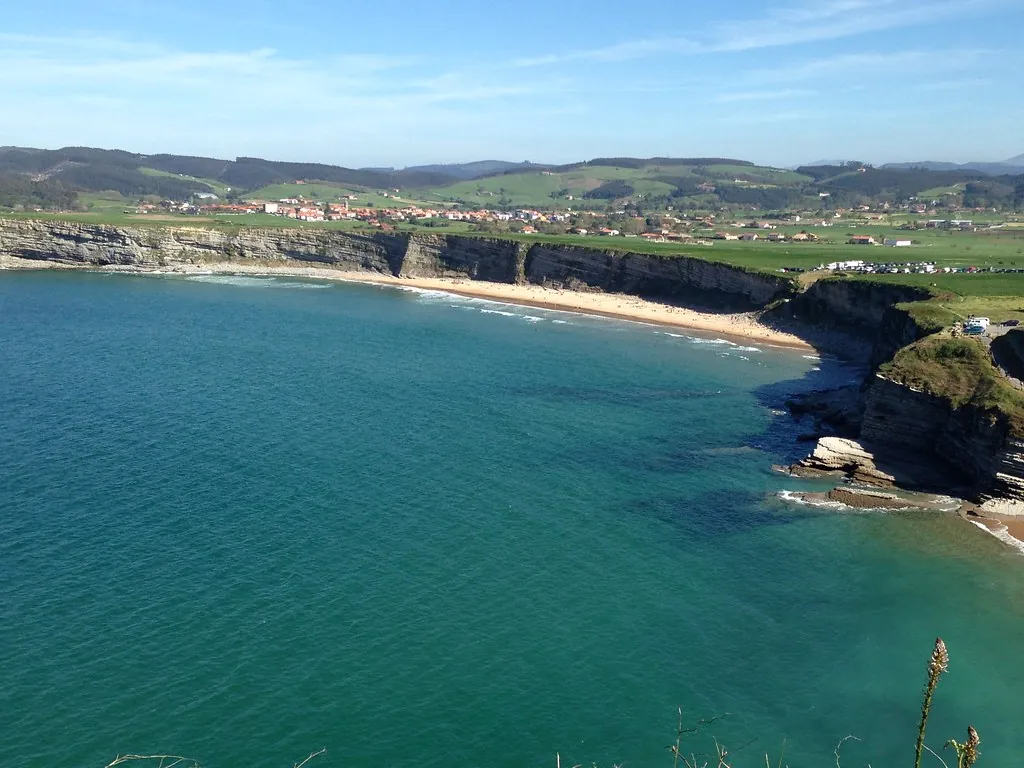
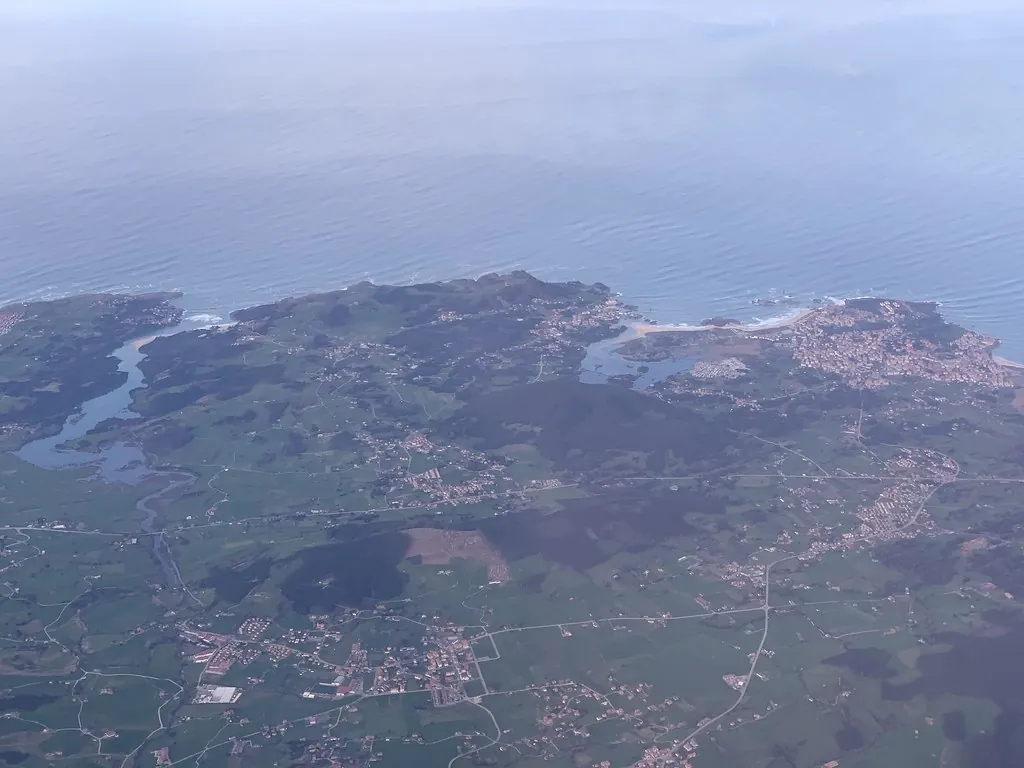
Este pueblo se asienta junto a uno de los humedales más importantes de la costa cantábrica. La conexión es inmediata. No hay un límite claro entre el núcleo y la naturaleza, solo un deslizamiento gradual desde las casas y las huertas hasta la marisma abierta.
Casas de piedra y un centro silencioso
Escalante pertenece a la comarca de Trasmiera y tiene algo más de setecientos habitantes. Su trazado es disperso, con grupos de casas más que un centro compacto. Las calles se reúnen sin prisa alrededor de viviendas tradicionales con tejados de teja roja o pizarra. Algunas fachadas lucen blasones, rastros de las antiguas familias hidalgas de la zona. No son palacios. Son edificios sólidos de piedra oscura, con portones anchos y balcones de madera, modelados por décadas de tiempo atlántico.
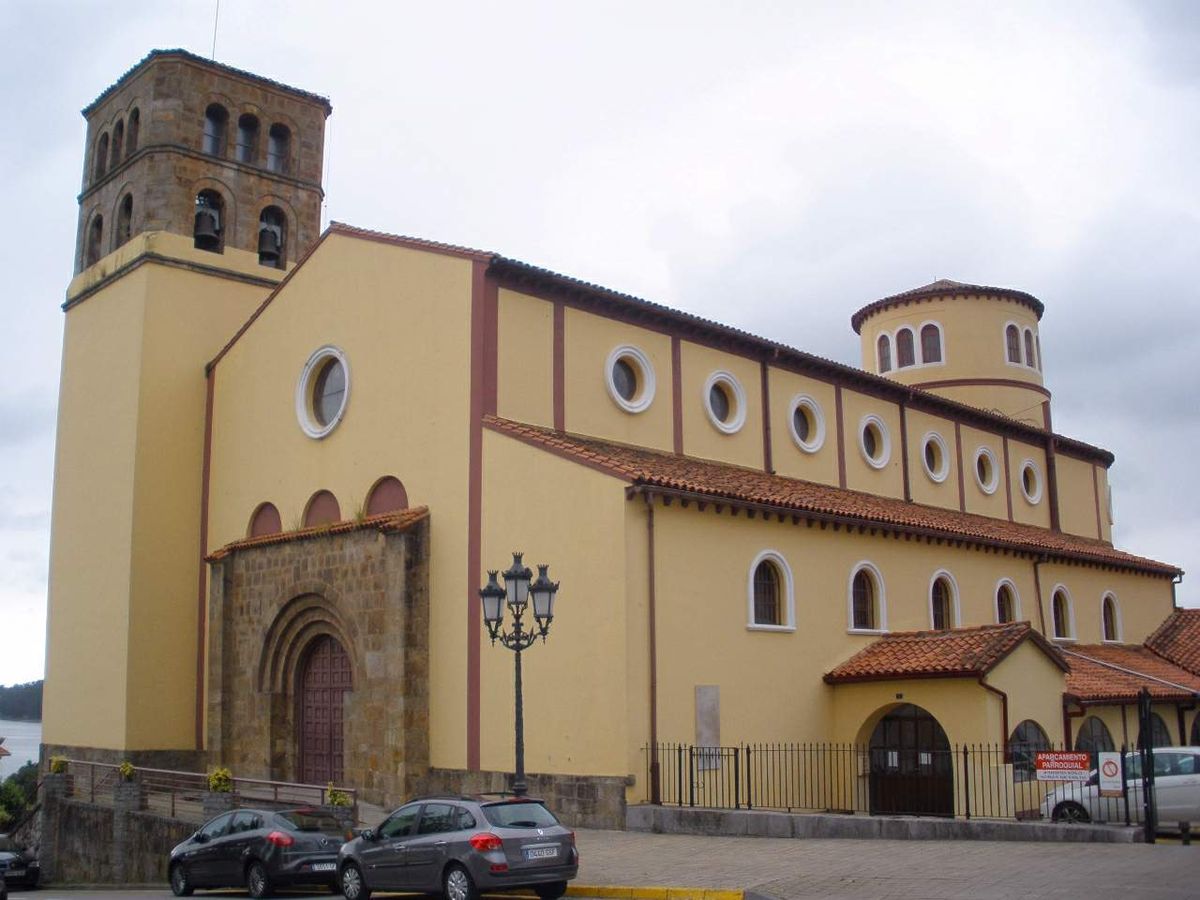
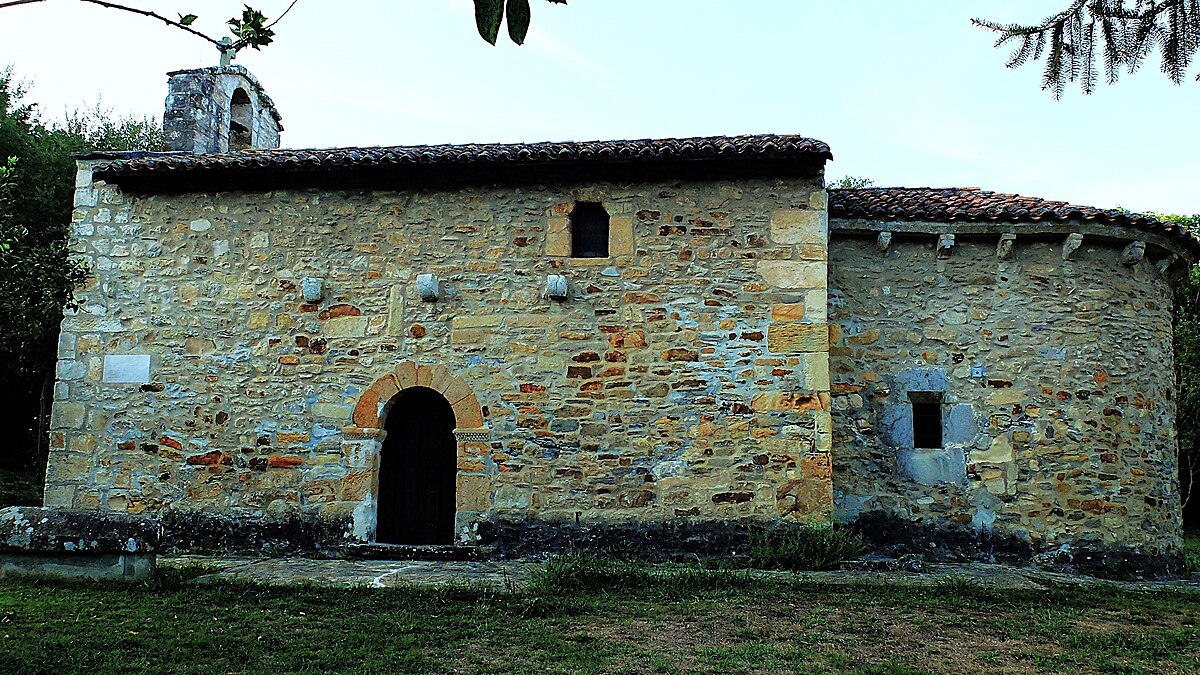
La iglesia parroquial, San Martín de Tours, suele datarse en el siglo XIII. Su torre cuadrada se ve desde varios puntos del pueblo, actuando como una referencia sencilla. La portada es sobria, con arcos lombardos en lugar de decoración elaborada. La puerta no siempre está abierta, pero cuando cedes, el cambio es brusco. Dentro, la temperatura baja y se nota el olor a piedra vieja. Muros gruesos, luz tenue y un silencio que delata lo poco que se usa el edificio a diario.
Caminar por Escalante descubre detalles pequeños: rejas de hierro antiguas en algunas ventanas, marcas de uso en los dinteles de madera, balcones presentes pero rara vez ornamentados. En las afueras del pueblo, siguen siendo comunes las huertas y los corrales anexos a las casas. El ritmo de la vida diaria aún es visible en estos espacios.
Al borde de las marismas de Santoña
El término municipal de Escalante linda con los límites del parque natural formado por las marismas de Santoña, Victoria y Joyel. El cambio es inmediato.
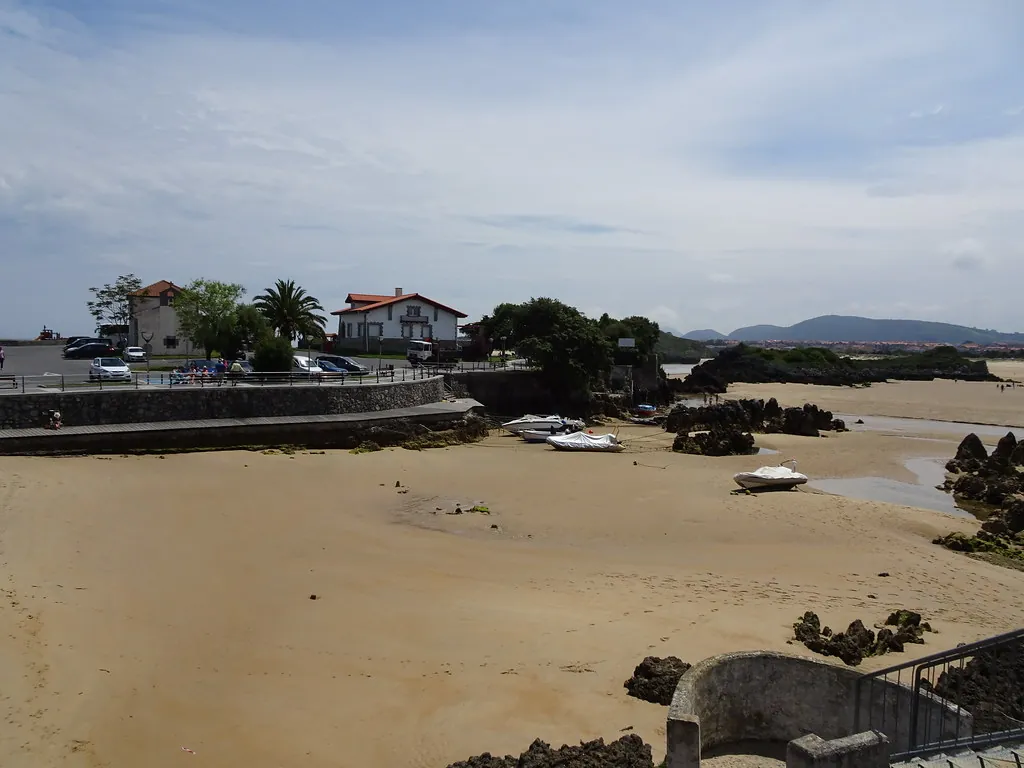
Con la maja baja, los canales estrechos surcan extensiones de limo grisáceo donde los pájaros buscan alimento. Cuando sube la marea, el paisaje se aplana en una superficie reflectante amplia. Las nubes se deslizan sobre el agua duplicadas y la distinción entre tierra y cielo se suaviza. La transformación ocurre en silencio, pero sin pausa.
La avifauna es una presencia constante. Garzas, limícolas y otras especies migratorias pasan gran parte del año aquí. Es habitual ver gente con prismáticos junto a los caminos, observando el movimiento sobre el agua o esperando a que algún ave salga del carrizal.
No hay grandes miradores ni infraestructura pesada. Las vistas son sencillas y directas, ganadas desde pistas rurales o pequeños claros entre setos y campos. La experiencia depende más de la paciencia y la atención que de un punto de observación construido.
Caminar hacia el paisaje
Varios senderos fáciles parten del centro del pueblo hacia la marisma o a través de pastizales abiertos. No son rutas formales y señalizadas como las de parques naturales más desarrollados. En muchos casos son pistas agrícolas que siguen usando los ganaderos locales.
Un paseo tranquilo hasta el borde de la marisma y vuelta puede llevar menos de una hora. La distancia no es lo importante. Lo que importa es el ritmo. Ir despacio permite que los cambios pequeños destaquen: variaciones en el color del agua, pájaros que se mueven ocultos en los matorrales pero se oyen claramente, la subida y bajada gradual de la marea.
El calzado marca la diferencia. Tras la lluvia, algunos tramos pueden volverse embarrados y resbaladizos, sobre todo cerca de los canales. Las condiciones cambian rápido según el tiempo y la marea.
La sencillez de estos paseos refleja el carácter general de Escalante. No hay circuitos marcados que exijan atención ni rutas estructuradas que completar. El movimiento aquí parece informal y abierto.
Una base para explorar Trasmiera
La ubicación de Escalante lo convierte en un punto de partida práctico para recorrer la costa oriental de Cantabria. Localidades cercanas como Laredo, Santoña o Colindres están a un trayecto corto en coche. Esto permite un contraste fácil: una mañana tranquila tierra adentro seguida de tiempo junto al mar.
Santander también está a una distancia razonable para quien quiera ampliar el radio. Aun así, muchos vienen por la razón opuesta. El atractivo está en quedarse quieto, caminar sin prisa y pasar tiempo en un paisaje que cambia de forma sutil, no dramática.
El pueblo no gira en torno al turismo. No hay intentos por reconvertirlo en un destino con un itinerario definido. Su papel como base es secundario a su carácter de lugar rural habitado.
Cuándo venir y qué tener en cuenta
Las primeras horas de la mañana suelen ser las más agradables. La luz se posa baja sobre las marismas y hay menos movimiento por los caminos. El atardecer trae otro cambio, sobre todo cuando sube la marea y los reflejos se extienden sobre el agua.
Tras varios días de lluvia, algunos senderos pueden encharcarse mucho. En esas condiciones, los paseos cortos cerca del pueblo suelen ser la opción más sensata. El terreno no se presta a rutas largas cuando la tierra está saturada.
Aparcar requiere un poco de cuidado. Es mejor dejar el vehículo en espacios claros sin bloquear el acceso a campos o pistas. Muchos de estos caminos siguen en uso activo para la agricultura y la ganadería; son parte del trabajo diario, no están reservados para visitantes.
Escalante no intenta llamar la atención. Lo que ofrece es directo: un asentamiento rural pequeño junto a una extensión significativa de marisma. Un plan sencillo suele encajar mejor aquí: caminar hasta el borde del agua, pararse a ver cómo cambia con la marea y volver por el mismo camino sin prisas. Ese ritmo constante define el lugar