Hazas de Cesto Cantabria.png
sergei.gussev · Flickr 4
Cantabria · Infinite

Hazas de Cesto

The road to Hazas de Cesto narrows so abruptly that the SatNav lady panics. One moment you're bowling along the A-8 at 120 km/h, the next you're sq...

1,957 inhabitants · INE 2025
100m Altitude

Why Visit

Trasmeran architecture Rural tourism

Best Time to Visit

summer

San Cosme and San Damián Septiembre

Things to See & Do
in Hazas de Cesto

Heritage

  • Trasmeran architecture
  • rural landscape

Activities

  • Rural tourism
  • History

Festivals
& & Traditions

Fecha Septiembre

San Cosme y San Damián, Nuestra Señora

Las fiestas locales son el momento perfecto para vivir la autenticidad de Hazas de Cesto.

Full Article
about Hazas de Cesto

Deep Trasmiera

Ocultar artículo Leer artículo completo

The road to Hazas de Cesto narrows so abruptly that the SatNav lady panics. One moment you're bowling along the A-8 at 120 km/h, the next you're squeezing between stone walls built for donkeys, with a Holstein cow staring at your wing mirror. Welcome to Trasmiera, the coastal strip that tourists whizz past on their way to Santander's beaches or the Picos de Europa. Most never notice the turn-off. That's rather the point.

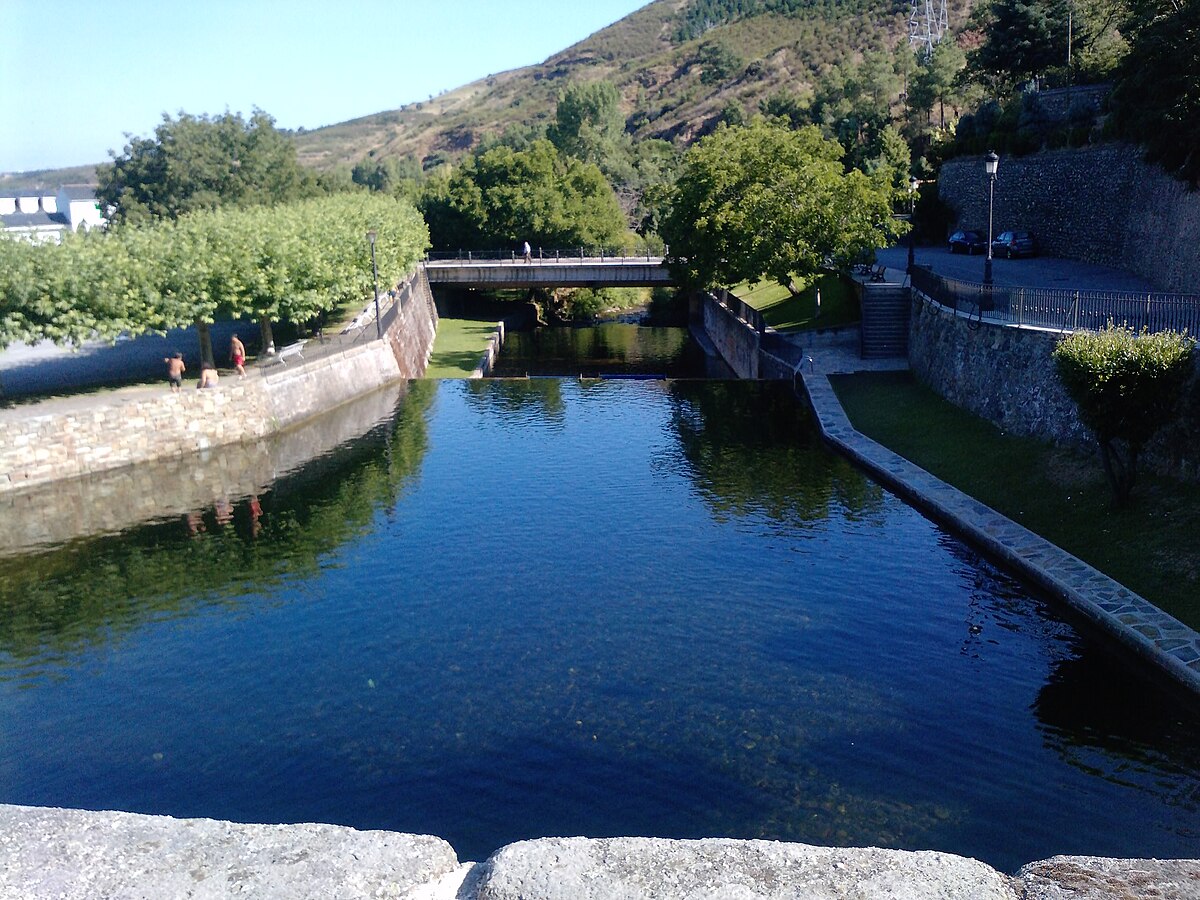
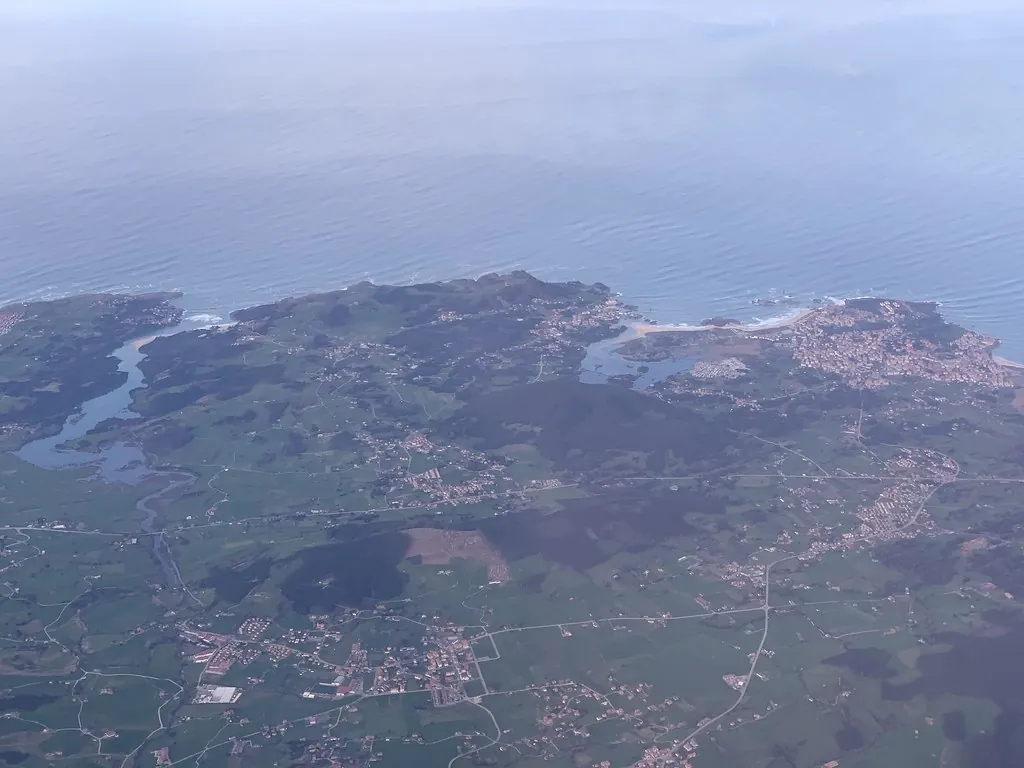
Hazas isn't a hill village, whatever the booking sites claim. It sprawls across a shallow valley at barely 100 m above sea level, close enough to smell the Bay of Santander when the wind swings north-west. What it does have is space: meadows the size of Surrey paddocks, separated by chestnut rails and centuries-old stone. The 1,900 inhabitants live in scattered hamlets—Sopeña, Praves, Adal—each with its own church, bread oven and opinion about the weather. There is no postcard-perfect plaza mayor; instead, the council hedges its bets with three tiny playgrounds and a bus shelter that doubles as the evening meeting point.

A Church, a Bar, and a Lot of Grass

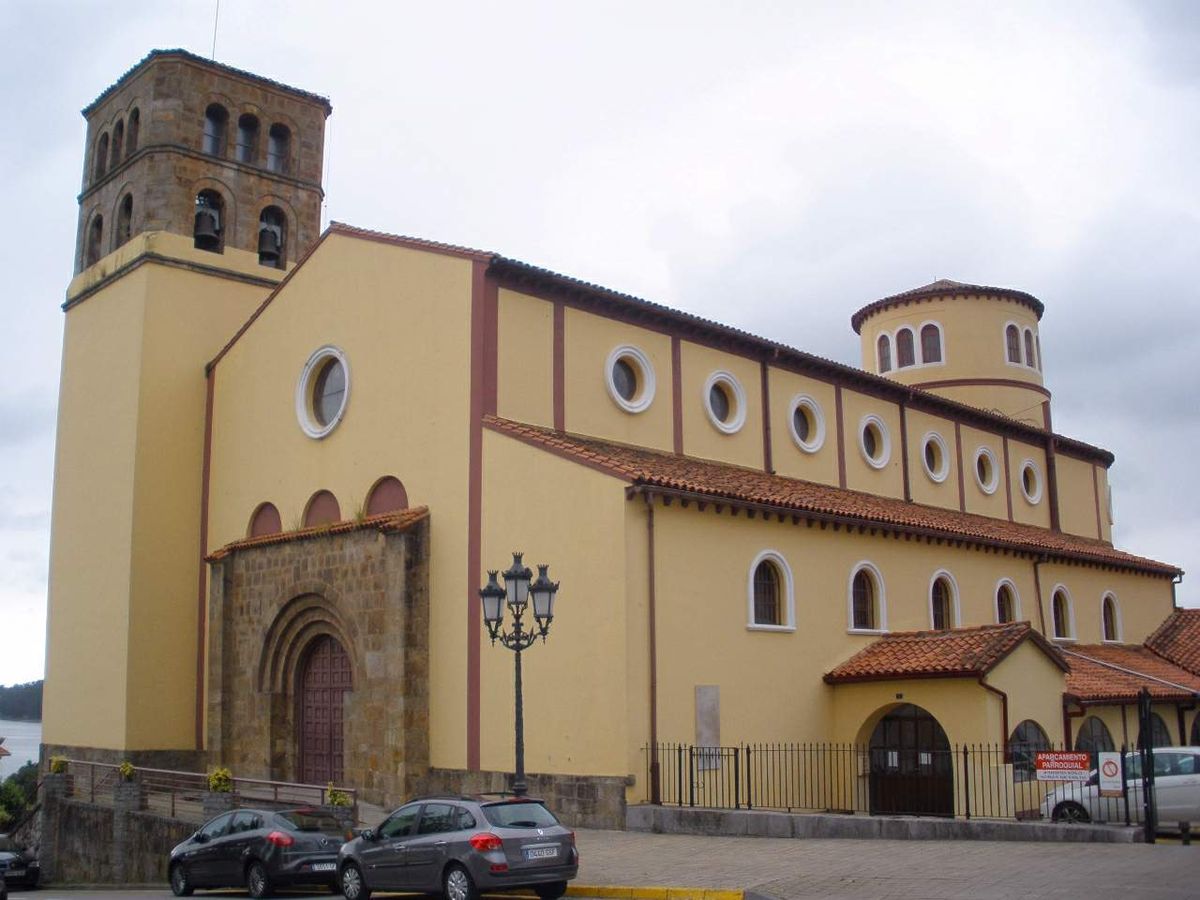
San Vicente Mártir, the parish church, is the closest thing to a centre. The building is 16th-century serious: squat tower, weather-worn sandstone, heavy wooden doors that close with the thunk of a Land Rover tailgate. Step inside and the temperature drops five degrees; the stone floor is uneven from four centuries of parishioners' boots. Sunday Mass is at eleven, followed by a brief burst of conversation in the porch before everyone remembers the livestock needs feeding.

Opposite the church, Bar Arredondo does the only reliably hot food in the municipality. The owner speaks fluent camper-van English and keeps a stash of Yorkshire Tea bags for desperate Brits. Weekday menu del día is €12—soup, grilled chicken, pudding, wine—and he'll swap the anchovy starter for crisps if you ask nicely. Don't count on dinner: the kitchen shuts when the last customer leaves, often before 9 pm. Stock up in Cabezón de la Sal on the way in; the village shop opens 9–1, 5–8, and randomly closes for stock-taking.

Driving, Walking, and the Art of Giving Way

A car is essential. There are buses—two or three a day from Santander—but they deposit you beside the church and leave. Roads are single-track with passing bays; tractors have priority, followed by cattle, followed by anyone who looks local. Drive like you would on a Highland lane: slowly, with windows down, prepared to reverse into a gateway while the farmer finishes moving his cows.

Walking works if you keep expectations modest. A 45-minute loop heads south from the church, past the stone cross at Praves and along a farm track where the mud is ochre red. Robins and blackbirds provide the soundtrack; the only traffic is a quad bike checking on newborn calves. After rain the path turns glutinous—proper wellies recommended, not the pastel variety sold in UK garden centres. Longer hikes require a drive into the foothills; the Picos proper start 25 km south, forty minutes by car on a road that coils like a Slinky.

Between Coast and Cloud

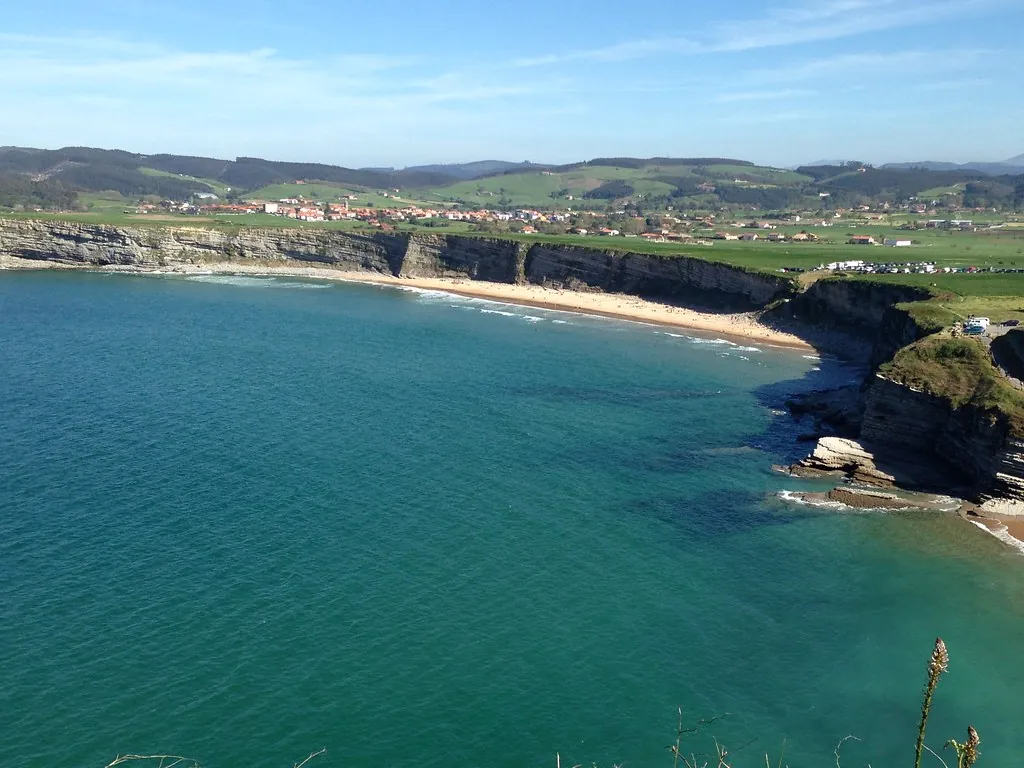
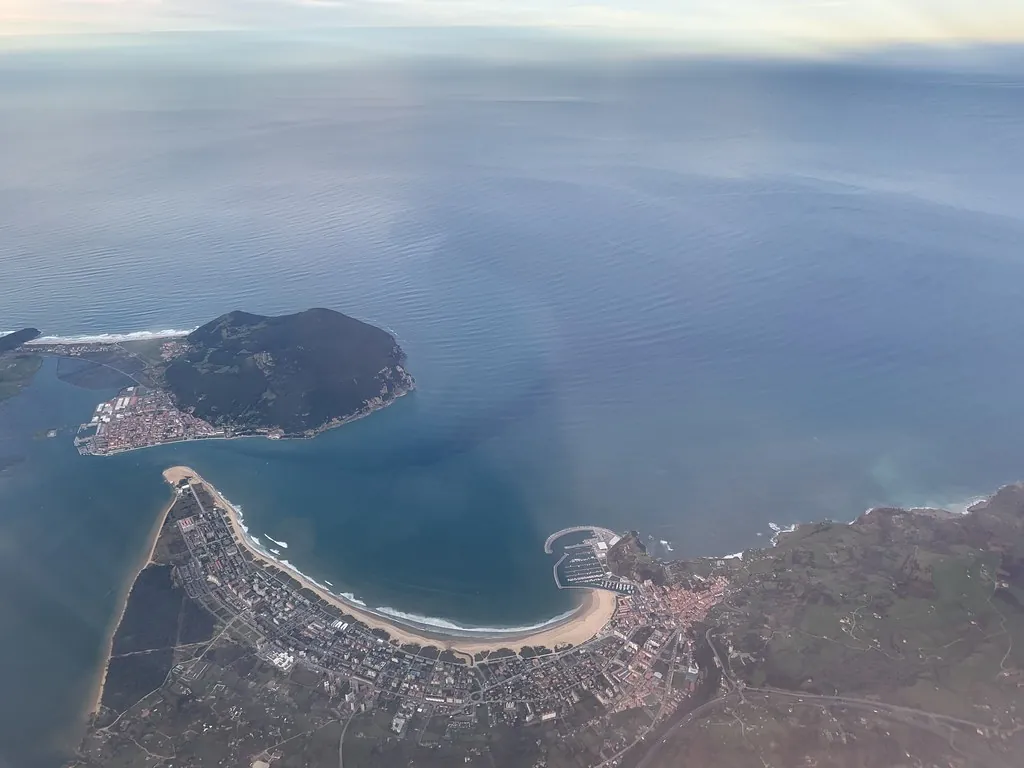
The coast is closer than the map suggests. Twenty-five kilometres north, Santander's Sardinero beach fills with city families on summer Sundays. From Hazas you can be on the sand in 35 minutes—provided you leave before 10 am, when the road clogs with surfboards and paddleboards. Comillas, with its Gaudí caprice and decent ice-cream, is 50 minutes west. The trick is to treat the village as a retreat, not a base for bucket-and-spade operations. Spend the morning watching fog lift off the meadow, drive to the sea for lunch, return before the evening tractor rush.

Altitude tempers the heat. Even in August the nights drop to 16 °C; you'll want a jumper after nine. Spring brings orchids along the verges and enough birdlife to keep a twitcher happy. October turns the chestnut woods copper; locals disappear into the forest with wicker baskets, emerging with kilos of setas that taste of earth and rain. Winter is green, mild, and muddy. Snow is rare, but gales can bring trees down; carry a saw in the boot if you're travelling between November and March.

Where to Lay Your Head

There is no hotel. Self-catering cottages cluster around converted barns; most sleep six, come with wood-burning stoves, and cost €90–€140 a night. The smartest, VillaXica, has underfloor heating and a fenced garden for dogs—rare in Spain, gold dust for British pet owners. Phone signal inside the houses is patchy; Wi-Fi relies on 4G routers that sulk during storms. Download offline maps before you set off, and tell the office you'll be "working remotely" only if your deadline is forgiving.

Booking platforms list the village under "Rural Tourism," a catch-all that raises hopes of craft shops and wine tastings. Hazas offers neither. What you get is auditory reset: no motorway drone, no club beats, just cattle lowing and the church bell striking the hour. On a clear night the Milky Way looks close enough to touch; the nearest street light is four kilometres away.

When to Come, When to Stay Away

Come in May for the long evenings and cow-parsley-lined lanes. Come in late September when the maize is stacked into pointed wigwams and the air smells of cider. Avoid August if you dislike sharing single-track roads with rental cars full of beach towels. Avoid February unless you enjoy horizontal rain and the bar closing early "because no-one's about."

Bank holidays fill up fast; Spaniards treat rural houses like Brits treat Cornwall cottages—book six months ahead or take what's left. Mid-week outside school holidays you can have a hamlet to yourself, but check the calendar for local fiestas. The day of San Vicente (22 January) involves a procession, free chorizo sandwiches, and a brass band that rehearses for three weeks beforehand. Light sleepers, you have been warned.

The Bottom Line

Hazas de Cesto will never feature on a "Top Ten Cantabrian Villages" list. It has one church, one bar, and more cows than humans. That's precisely its appeal. Turn up expecting entertainment and you'll be staring at grass by dusk. Arrive prepared to slow down—really slow down—and the place starts to work its subtle magic. Bring wellies, bring a dog, bring a tolerance for early closing. Leave the bucket list at home; here, the most exciting event is the daily tractor parade, and that's more than enough.

Key Facts

Region
Cantabria
District
Trasmiera
INE Code
39031
Coast
No
Mountain
No
Season
summer

Livability & Services

Key data for living or remote work

2024
ConnectivityFiber + 5G
TransportTrain nearby
HealthcareHospital 11 km away
EducationElementary school
Housing~6€/m² rent · Affordable
CoastBeach nearby
Sources: INE, CNMC, Ministry of Health, AEMET

Planning Your Visit?

Discover more villages in the Trasmiera.

View full region →

More villages in Trasmiera

Traveler Reviews