Full Article
about Marina de Cudeyo
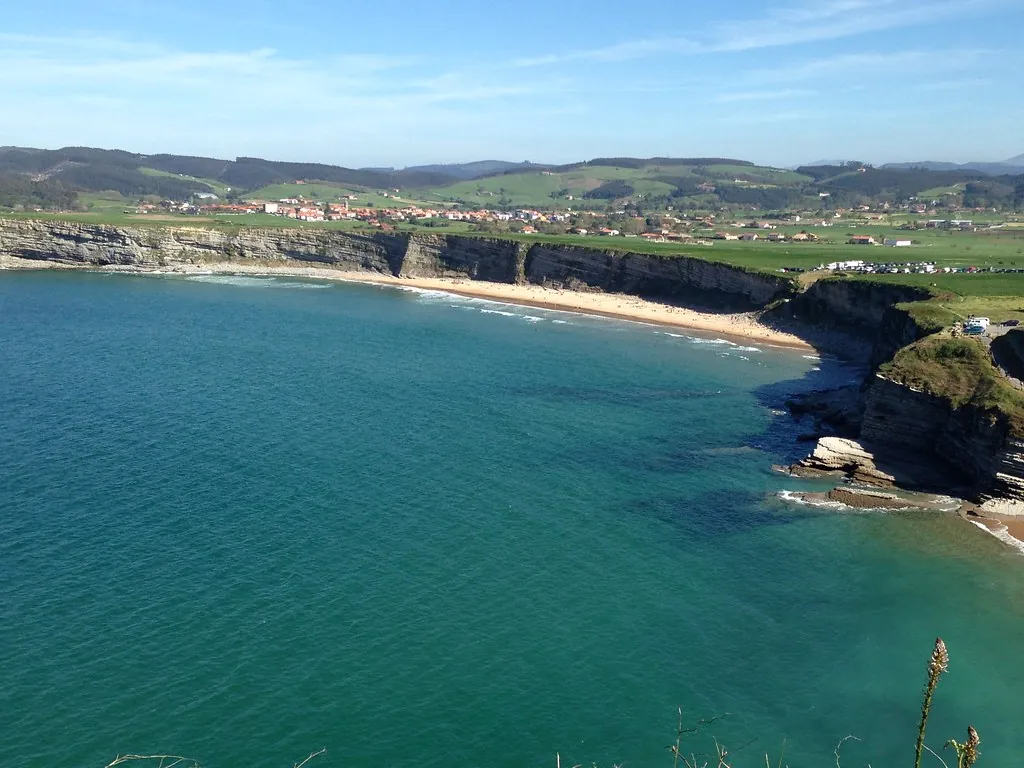
Beaches of the bay
Hide article Read full article
Where the estuary sets the pace
At five in the morning, when the tide slips away and exposes banks of dark sand, shellfish gatherers move along the shore at Pedreña. They carry wicker baskets and rakes, head torches cutting through the half light. The Miera estuary smells of seaweed and brine. No one talks. There is only the soft splash of rubber boots and the distant calls of gulls just beginning to stir. Moments like this frame Marina de Cudeyo in a very direct way: everything begins with the estuary.
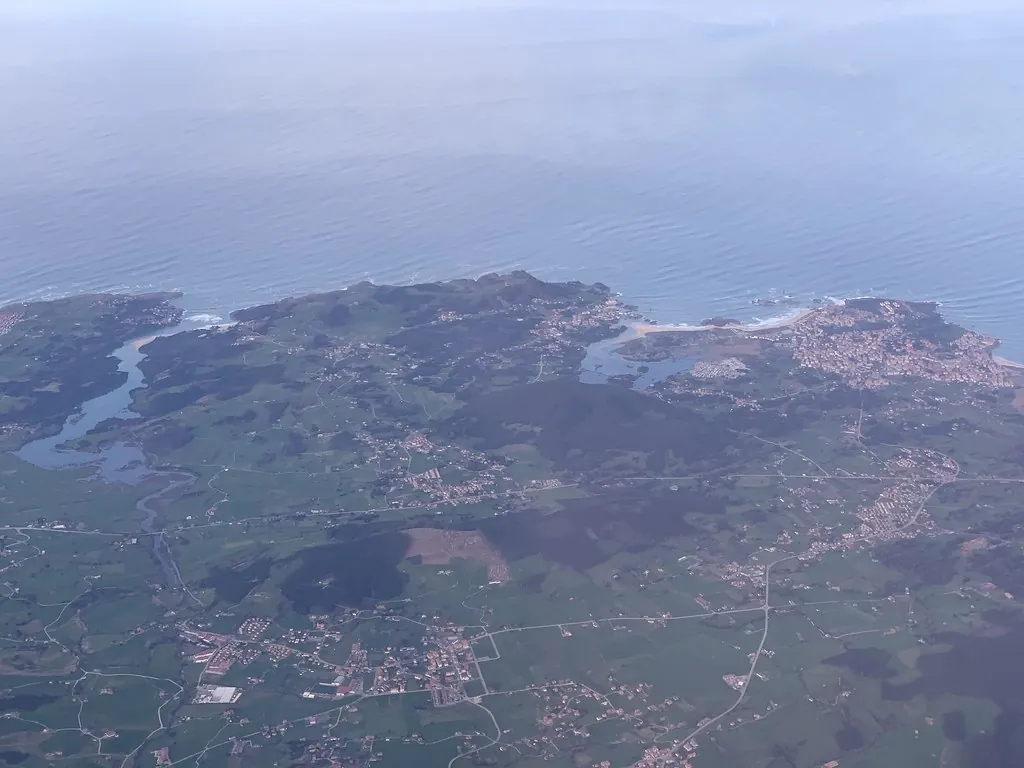
Marina de Cudeyo is not a single town but a collection of villages spread between the tidal inlets and the low inland hills. Each one has its own rhythm and atmosphere. In Agüero, paths climb around the peak of Castilnegro and the scent shifts as you go: dry heather, sun-warmed pine and soil turned by grazing cattle. In Gajano, when the wind swings in from the bay, the smell of the estuary returns, mud, live shellfish and a trace of diesel from small boats.
Pedreña opens out towards the water. The quiet of early morning is sometimes broken by the sharp sound of a golf club striking a ball. The course beside the estuary is part of the area’s more recent story and is often linked to Severiano Ballesteros, who was born nearby. From certain points, the whole of Santander Bay comes into view. At sunset the light softens into copper tones, and boats crossing towards the city seem to glide slowly across a surface that looks almost still.
Coins from the tide
Some decades ago, a small group of ancient coins was found on Ambojo beach by a local resident out walking. It was not an isolated discovery. The estuary has been a route for vessels and goods for centuries, and from time to time the sea returns fragments of that past.
Today, a walkway runs along the marshland on wooden platforms that stretch over the reeds. At high tide, the water rises so close that the path appears to float. Early morning or late afternoon are the easiest times to spot movement among the grasses, with egrets and other birds picking their way through the shallows.
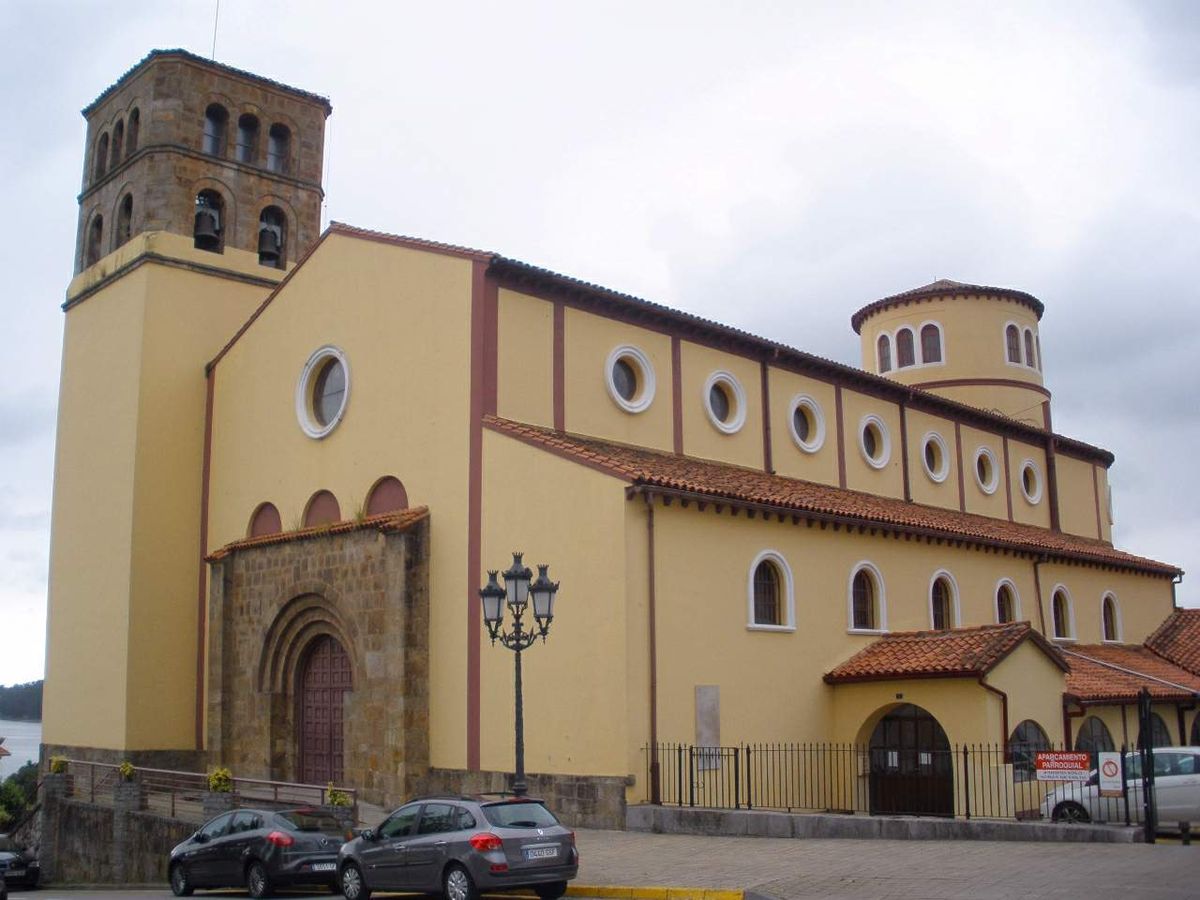
From Pedreña, a small boat crosses the bay to Somo, a service that has operated for generations. The journey is short. On a clear day, looking back reveals the full outline of Marina de Cudeyo’s coastline: scattered white houses, reddish roofs and the church tower of Gajano marking the way inland.
Shellfish with their own names
Here, small clams are not simply called clams. They are known as amayuelas. They are usually prepared in a very straightforward way, often steamed with little more than water and salt. Morgueras, the long, dark razor shells that appear in the sand when the tide goes out, are typically cooked on a hot griddle with a squeeze of lemon.
In Setién, it is still common to see people heading down to gather shellfish when the tide allows it. One elderly neighbour continues to do so on some days, her dog following behind, a knife in hand and a plastic bucket at her side. She learned from her mother. Before the bridge over the Miera existed, the river had to be crossed by boat to take shellfish towards Astillero.
The arrival of that bridge changed daily life in noticeable ways. Over the years, more cars appeared, along with second homes, especially in summer. Even so, the movement here often follows a steady rhythm of coming and going. Many residents work or study in Santander and return in the evening. Families come back each summer to houses that have been in the family for generations.
In Rubayo, where the town hall stands, there are still a few 19th-century houses with iron balconies and gardens partly hidden behind walls.
When Orejo fills with music
At the beginning of September, the soundscape of Orejo shifts for a few days. An interceltic festival brings together musicians from across the Atlantic arc, including Galicia, Brittany and Ireland, places where bagpipes or the violin remain part of traditional music.
The streets fill with stalls, lights and small stages. At night, when the air carries the scent of damp grass, melodies drift through the village and blend with the low murmur of people moving between the square and the fronton court. It is not a large-scale event, more a local gathering that has gradually drawn curious visitors over the years.
Crossing the bay, choosing the moment
Reaching Marina de Cudeyo by car from Santander is straightforward, following the roads that trace the edge of the bay. There is also a slower option: the small boat linking the city with Pedreña. The crossing takes only a few minutes and offers a changing view as Santander recedes and the estuary opens ahead.
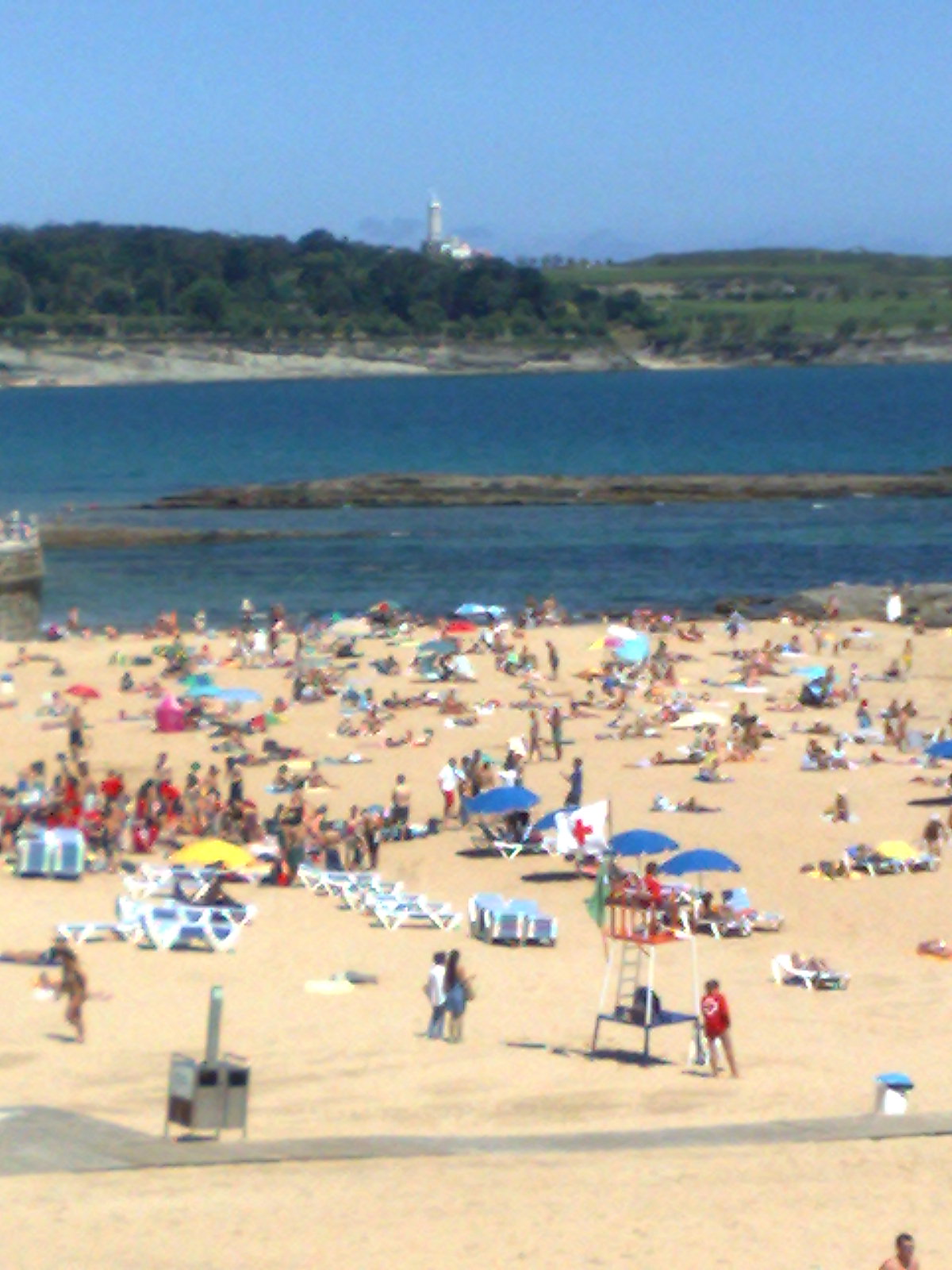
August brings the busiest period, with cars searching for space, full terraces and beaches dotted with umbrellas. Late spring, early summer and the beginning of autumn tend to feel calmer. The light is softer, the wind carries hints of salt and damp grass, and the marshland paths invite an unhurried pace.
It is worth bringing closed shoes, especially if the plan includes walking along the estuary or across uneven ground near the marshes.