Full Article
about Medio Cudeyo
Baroque palaces of Trasmiera
Ocultar artículo Leer artículo completo
The first surprise is the noise. Stand beside the N-634 at 07:30 and you’ll hear commuter traffic heading north to Santander, less than fifteen kilometres away. It feels wrong: travel brochures promise silence, yet here the rush-hour soundtrack is part of the deal. That contradiction defines Medio Cudeyo – a parish-cluster municipality that lets you stay rural while remaining plugged into a provincial capital, the airport and three blue-flag beaches in twenty minutes.
A valley that refuses to be a postcard
Medio Cudeyo is not one settlement but a scatter of hamlets stitched across soft valley floors and short, sharp hills. Solares, the administrative centre, has the only sizeable supermarket, a health-centre and a secondary school; everything else – Heras, Helguera, San Julián, San Roque de Riomiera – is a church, a bar and a handful of stone houses. The council keeps the verges trimmed, yet hedgerows bulge with briar and fern, and cows still walk to milking under escort rather than by lorry. Expect lanes too narrow for two vans, sudden forks unsigned in Spanish only, and the smell of silage on damp mornings.
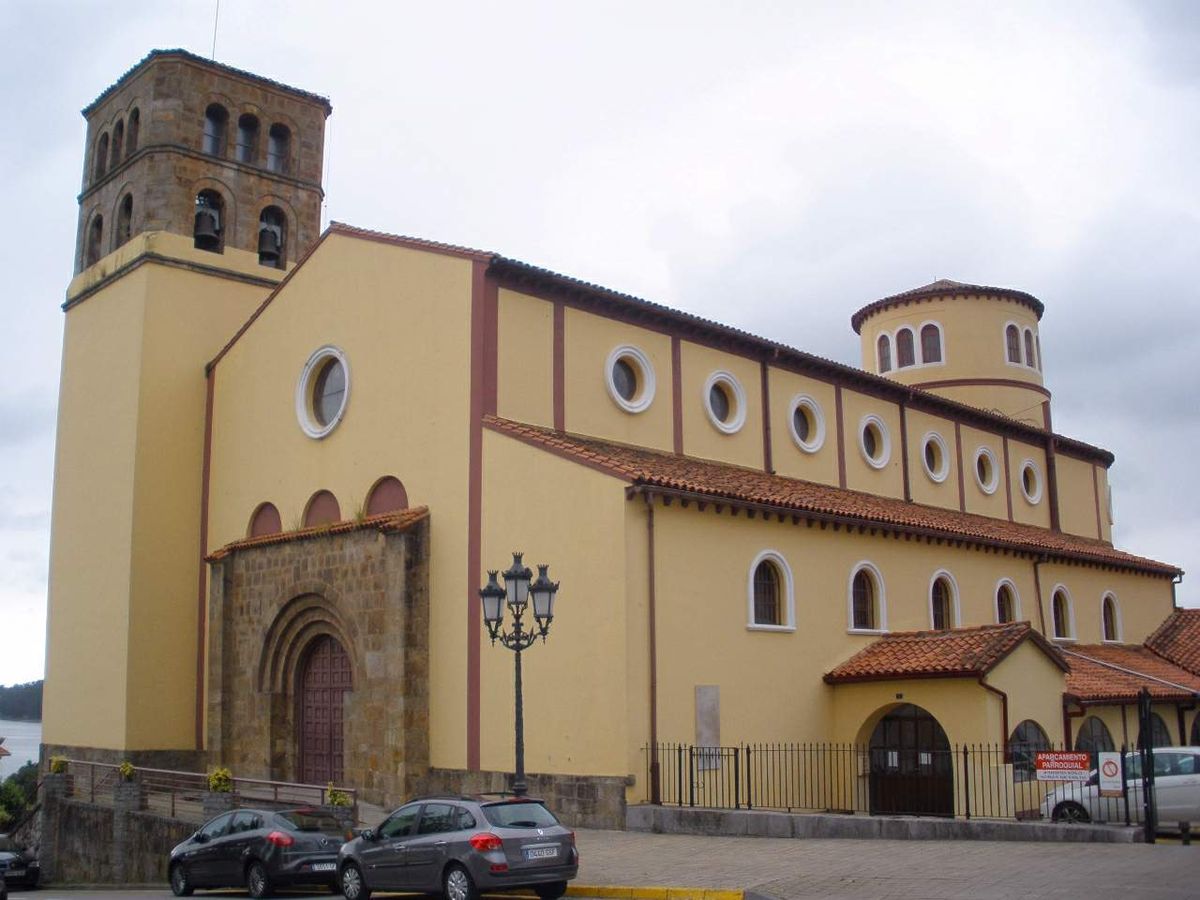
Historical swagger exists, but you have to look. The fifteenth-century Torre de los Gutiérrez de la Concha rises in Solares like a stone exclamation mark; no tapestries inside, usually no access at all, yet the external stonework tells you all you need about medieval family feuds. Beside it, the parish church of San Félix keeps its doors unlocked when the sacristan is around – otherwise you’ll have to settle for the Romanesque arch of the portal and the stork-nest platform that the council bolted to the belfry in 2018. Wander twenty metres into Callejón de la Peña and coat-of-arms mansions from the 1700s lean over the pavement; their balconies are warped, paint flaking, but the heraldic shields remain defiantly polished.
Walking without a waypoint
Forget themed routes with colour-coded arrows. Footpaths exist – the PR-S3 climbs through chestnut wood to the viewpoint of Peña Cabrera – yet half the pleasure is threading together cow-tracks and concrete farm lanes. From Solares it’s a forty-minute stroll to the Jardines de Piquío, municipal gardens perched on a limestone bluff where you can watch the bay of Santander appear and disappear between Atlantic cloud rolls. Entry is free, gates open at 09:00, and coaches are banned; on weekdays you may share the balustrade with two retired teachers and a podenco hunting dog.
Cyclists should note the word valle suave is marketing. The main loop south towards San Roque de Riomiera gains 250 m in 3 km, gradients touching 10 %. Road surfaces are good, drivers courteous, but bring lower gears and a rain jacket – the same proximity to the sea that keeps winters mild also generates sudden hill fog.
Food at field-hand pace
Lunch starts at 14:00 and finishes by 16:30; try to order at 15:55 and you will be tactfully reminded the kitchen is closing. Casa Malanda beside the Solares roundabout serves chuletón for two (€42) but happily hacks it into half-raciones for solo travellers. Vegetarians survive on tortilla, cheese and the mountain vegetable stew cocido montañés – ask for “sin carne” and the staff will fish out the chorizo first, an act of courtesy rather than culinary conversion. Dessert is usually quesada pasiega, a baked cheese tart that tastes like a Cornish clotted-cream kissed by lemon.
Evening options shut down early. Tasca Bear offers tapas until 22:30, but last orders for the grill are 22:00 sharp; after that the square belongs to teenagers on scooters and the occasional Guardia Civil patrol. If you need nightlife, Santander’s bars are a €18 taxi away.
Seasons with small print
Spring brings luminous green and night frosts; farmers burn dead gorse at dawn, scenting the air with coconut-smoke. Easter week is quiet – processions in neighbouring Bareyo, not here – and rental cottages drop to €70 a night. Summer warms enough for shorts, yet Atlantic sea fog can roll three kilometres inland, dropping the temperature ten degrees in half an hour. August fiestas in Solares feature an orchestra under a canvas tent, bagpipe troupes and a paella cooked in a pan two metres wide; visitors are welcome, but there is no tourist office, just a WhatsApp number spray-painted on festival banners.
Autumn is the sweet spot. Mushroom hunters in hi-vis vests appear on forest tracks, chestnut sellers set up braziers outside the Eroski hypermarket, and the council paints fresh white lines on the road to the cemetery – a morbid but reliable calendar marker. Winter rarely sees snow below 400 m, yet short days and drizzle turn lanes to chocolate pudding; without a car you’ll feel stranded because buses shrink to school-run only.
Getting here, getting round
Direct Ryanair flights reach Santander from London Stansted, Manchester and Edinburgh; easyJet covers Luton. Hire cars live in a cabin fifty metres from the baggage hall – pre-book or face a queue that moves at Spanish speed. Take the A-8 west, exit 205 “Solares”, and you’re in the municipality before the CD player warms up. Public transport exists: ALSA bus 120 links Santander to Solares twice daily, timetables buried on the Spanish-only ALSA app. Sunday service is axed without warning if the driver is sick.
Parking is uncomplicated except during fiestas, when every verge becomes a space. Yellow lines are advisory in the villages – locals ignore them, traffic wardens arrive from Santander only after someone phones a complaint. If you’re staying in a converted barn up a farm track, expect gradients that would shame a Somerset cider orchard; pack sturdy shoes for the 200-metre walk when the hire-car sump finally gives up.
The case for staying
Medio Cudeyo will never compete with the drama of Picos de Europa or the sand-showcase of Playa del Sardinero. What it offers is context: a working rural corner where British number plates are still rare, the butcher knows which farm supplied the beef, and you can breakfast on churros while watching parents herd children to school exactly as their grandparents did. Come if you need a breathable pause between Bilbao’s Guggenheim and the coves of Asturias, or if you simply want to answer the question “What does Cantabria do when nobody is looking?” Just remember to arrive with a full tank, an open-ended map and no expectation of souvenir tea-towels – the village shop ran out in 1997 and hasn’t restocked.