Molinaseca.jpg
Emilio.sanchez1 · CC0
Cantabria · Infinite

Meruelo

The tractor coming towards you on the road to San Miguel de Meruelo has right of way. Not because it's bigger than your hire car, but because the d...

2,321 inhabitants · INE 2025
50m Altitude
Coast Cantábrico

Why Visit

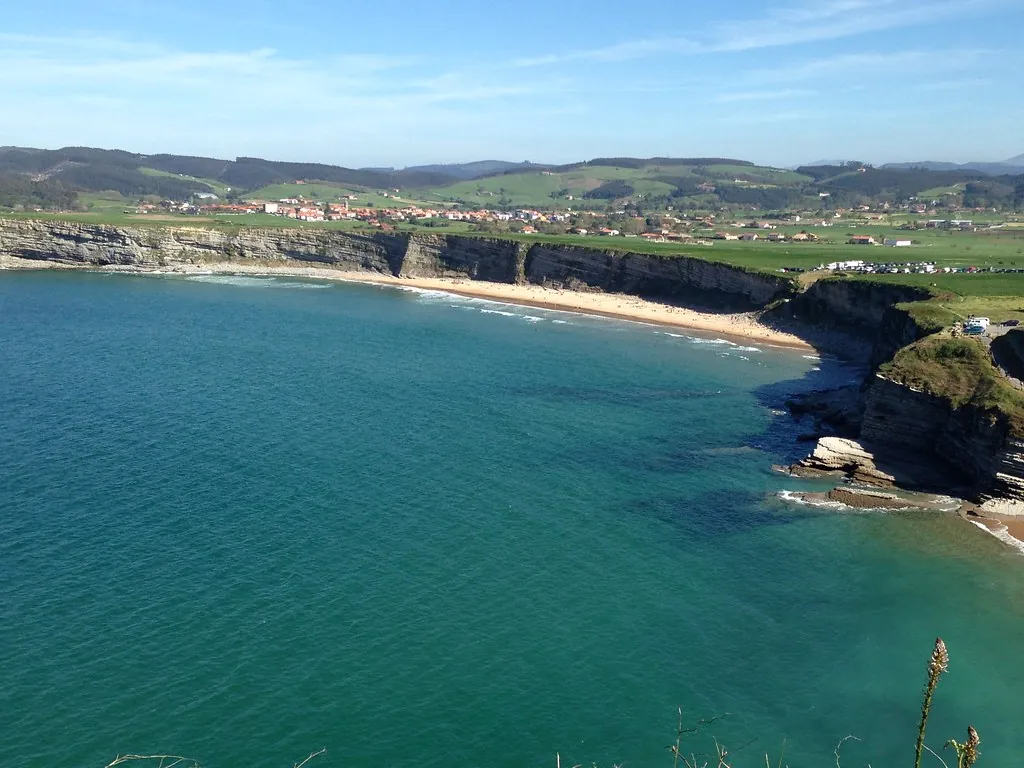
Coast & beaches Berria Beach Beach

Best Time to Visit

summer

San Miguel Septiembre

Things to See & Do
in Meruelo

Heritage

  • Berria Beach
  • traditional architecture

Activities

  • Beach
  • Surf

Festivals
& & Traditions

Fecha Septiembre

San Miguel, El Carmen

Las fiestas locales son el momento perfecto para vivir la autenticidad de Meruelo.

Full Article
about Meruelo

Surf and tradition

Ocultar artículo Leer artículo completo

The tractor coming towards you on the road to San Miguel de Meruelo has right of way. Not because it's bigger than your hire car, but because the driver probably owns the fields you're admiring. This is the first lesson Meruelo teaches visitors: agriculture isn't heritage here, it's Tuesday's work.

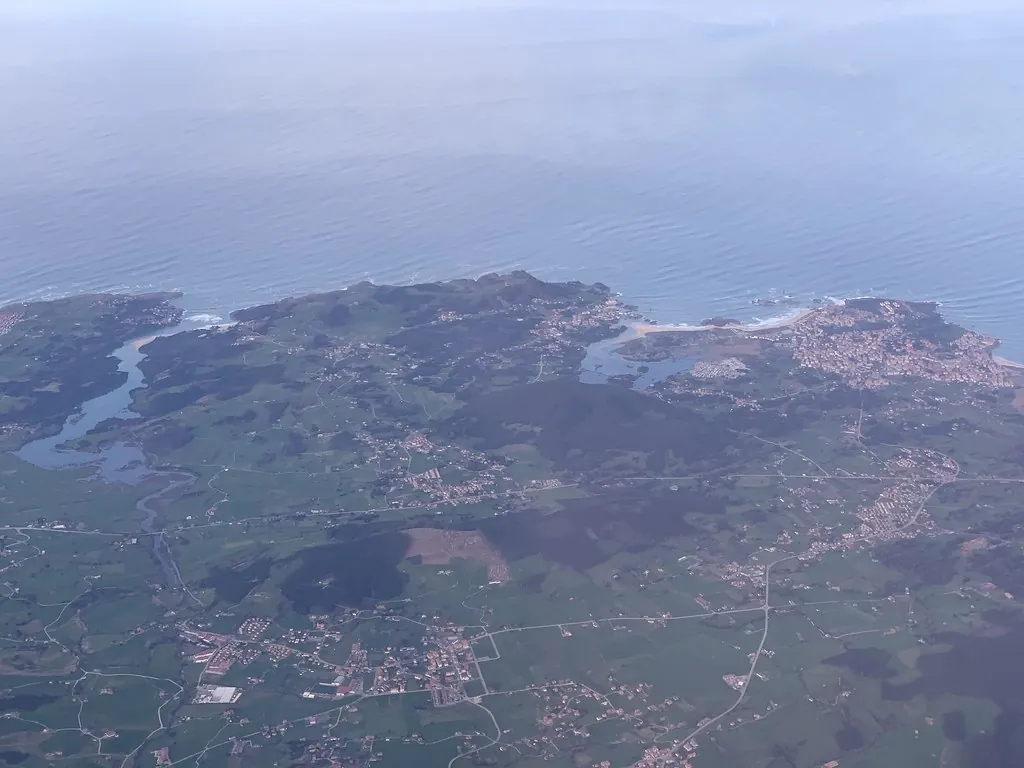
Spread across four distinct nuclei—Meruelo proper, San Mamés, San Miguel de Meruelo and Noja Baja—this municipality of 5,000 souls occupies the gentle folds of Trasmiera's countryside. The landscape reads like a medieval land registry: stone-walled pastures, scattered oak trees, and farmhouses whose stone facades bear the weathering of centuries. At 96 metres above sea level, it's neither mountain village nor coastal resort, but something more valuable in today's Spain: a place that functions without tourism.

The Architecture of Daily Life

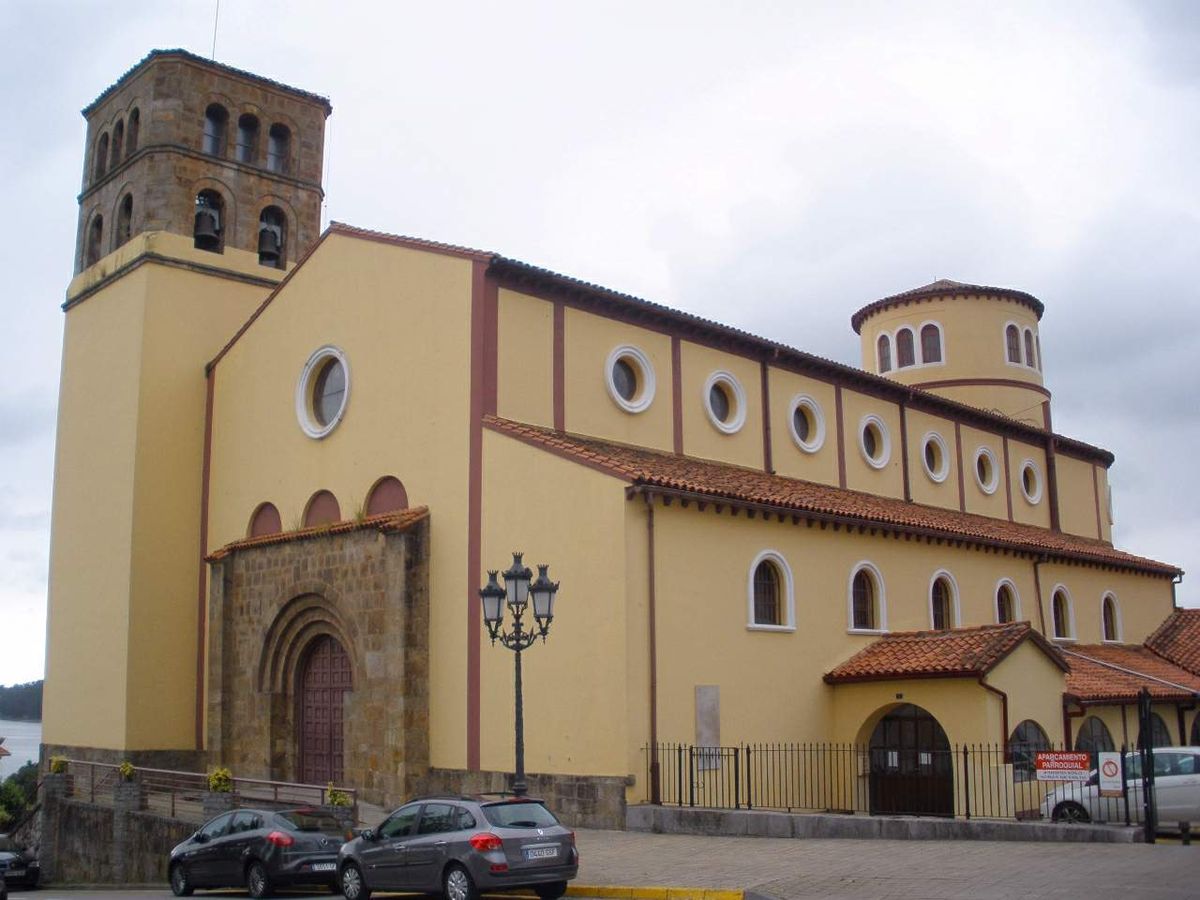
San Miguel's church squats solidly at the heart of its namesake barrio, its Romanesque foundations having watched over this landscape since the 12th century. The building itself won't detain you long—there's no ornate retablo or soaring Gothic arches—but stand in its modest plaza and you'll understand how rural Cantabria developed. Houses grow organically from the rock, their wooden balconies sagging under the weight of geraniums, while stone granaries on stilts speak to a time when keeping rats from the grain harvest mattered more than Instagram aesthetics.

Wander between the settlements and you'll spot 17th-century manor houses with coats of arms carved above doorways. Many remain family homes, their occupants more concerned with the price of milk than the admiration of passing strangers. The Palacio de Meruelo, visible from the main road, exemplifies this living history—its baroque facade might merit a postcard, but the washing line strung between its towers tells the real story.

Working Landscapes

The caminos connecting Meruelo's scattered neighbourhoods reveal a countryside that works for its living. These aren't manicured footpaths but working routes between fields, often churned to mud by cattle and agricultural machinery. Spring brings the most dramatic transformation: meadows burst into flower, cow parsley crowds the verges, and the sound of tractors fills the morning air. By July, the hay is in and the landscape settles into its summer rhythm, golden and dust-filled.

Walking these routes requires realistic expectations. Distances between barrios range from 1.5 to 3 kilometres, manageable on foot but more comfortable by bicycle. The terrain rolls rather than climbs—none of the brutal ascents that characterise proper mountain villages—but after rain, the clay soil turns treacherous. Proper walking boots aren't showing off; they're essential equipment.

Coastal Proximity, Rural Identity

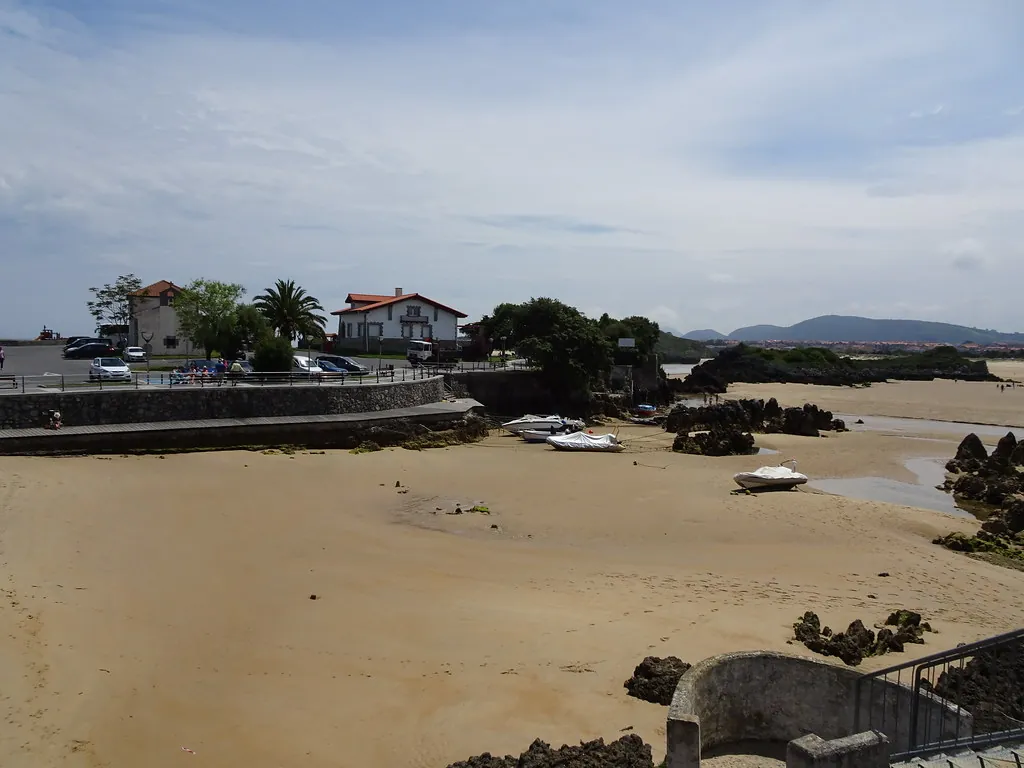
Ten kilometres north, Noja's beaches throng with summer visitors, but Meruelo remains resolutely inland in spirit. Smart visitors use this to their advantage: spend the morning exploring the wetlands of the Río Ajo, lunch on grilled sardines at Noja's promenade, then retreat to Meruelo's evening stillness as day-trippers queue to leave. The contrast couldn't be sharper—beach bars giving way to farmyards, burger wrappers replaced by the scent of freshly-cut hay.

This proximity shapes village life in unexpected ways. August brings a gentle invasion of second-home owners, mostly families from Bilbao and Santander who've owned properties here for generations. They arrive with well-stocked cool boxes, knowing that Meruelo offers no nightlife beyond the occasional verbena. The local shop in San Miguel keeps Spanish hours—closed for siesta, shuttered by 8 pm—and the nearest supermarket sits 8 kilometres away in Noja.

When to Visit, What to Expect

April and May deliver Meruelo at its most photogenic. Meadows glow green with new grass, stone walls emerge from winter's moss, and temperatures hover around a comfortable 18°C. September offers similar conditions with the added attraction of local fiestas, though San Miguel's celebrations remain firmly community-focused—outsiders welcome, but don't expect bilingual signage or tourist information points.

Winter visits demand self-sufficiency. Fog frequently rolls in from the coast, reducing visibility to metres and turning the narrow lanes into an endurance test. When snow falls—as it does most winters—the municipality's scatter of settlements becomes isolated. This isn't disaster; it's normal life, and locals treat weather warnings with the same pragmatism they apply to everything else.

The honest answer to "what's there to do?" is: not much, and that's precisely the point. Meruelo rewards those content with slow observation—watching swallows gather on telephone wires, following the progress of a distant combine harvester, noticing how afternoon light transforms the stone from grey to honey-gold. Bring binoculars for birdwatching, a decent novel for rainy afternoons, and realistic expectations about rural Spanish infrastructure.

Practical Realities

Accommodation options remain limited. The Albergue de Meruelo in San Miguel offers clean, basic hostel accommodation—think school trip rather than boutique hotel. Most visitors base themselves in Noja or Isla, treating Meruelo as a day trip. This works, though you'll miss the village's particular magic at dawn and dusk when farming activity peaks and the day-trippers have departed.

Driving here requires patience and courtesy. The CA-147 from the A-8 twists through increasingly narrow lanes where two cars meeting requires negotiation. Pull over for tractors—they're working, you're not. Parking means finding a verge wide enough without blocking field entrances or farm tracks. The farmer whose gate you block won't hesitate to knock on your window, and rightly so.

Meruelo offers no restaurants, no souvenir shops, no guided tours. What it provides instead is increasingly rare: a functioning Spanish rural community that tourists can observe but don't dominate. Visit with respect, realistic footwear, and time to spare. The church won't wow you, the walking won't exhaust you, but you might just understand why some Spaniards still choose the countryside over the city.

Key Facts

Region
Cantabria
District
Trasmiera
INE Code
39043
Coast
Yes
Mountain
No
Season
summer

Livability & Services

Key data for living or remote work

2024
ConnectivityFiber + 5G
TransportTrain nearby
HealthcareHealth center
EducationHigh school & elementary
Housing~5€/m² rent · Affordable
CoastBeach nearby
Sources: INE, CNMC, Ministry of Health, AEMET

Planning Your Visit?

Discover more villages in the Trasmiera.

View full region →

More villages in Trasmiera

Traveler Reviews