Full Article
about Riotuerto
Green valleys of Trasmiera
Hide article Read full article
Riotuerto, o cuando el GPS se rinde
Hay sitios que te piden un plano y otros que solo funcionan si apagas el navegador y dejas el coche en cualquier cuneta. Riotuerto, en Cantabria, es claramente de los segundos. Sales de Santander, conduces un rato por la autovía, y de repente te encuentras en un valle donde el único atasco lo provoca un tractor. No hay rotonda con cartel de "Bienvenidos", ni oficina de turismo. Solo praderas, casas de piedra aisladas y ese silencio peculiar que se forma cuando el ruido más fuerte es el rumor del río Campiazo.
La gracia está precisamente en eso: en que no hay una "gracia" preparada para ti. Es como visitar la casa de un amigo un domingo por la tarde, sin avisar. Puede que esté ordenada o puede que tenga la ropa tendida en el salón. Aquí pasa igual.
La Cavada: más fábrica que pueblo
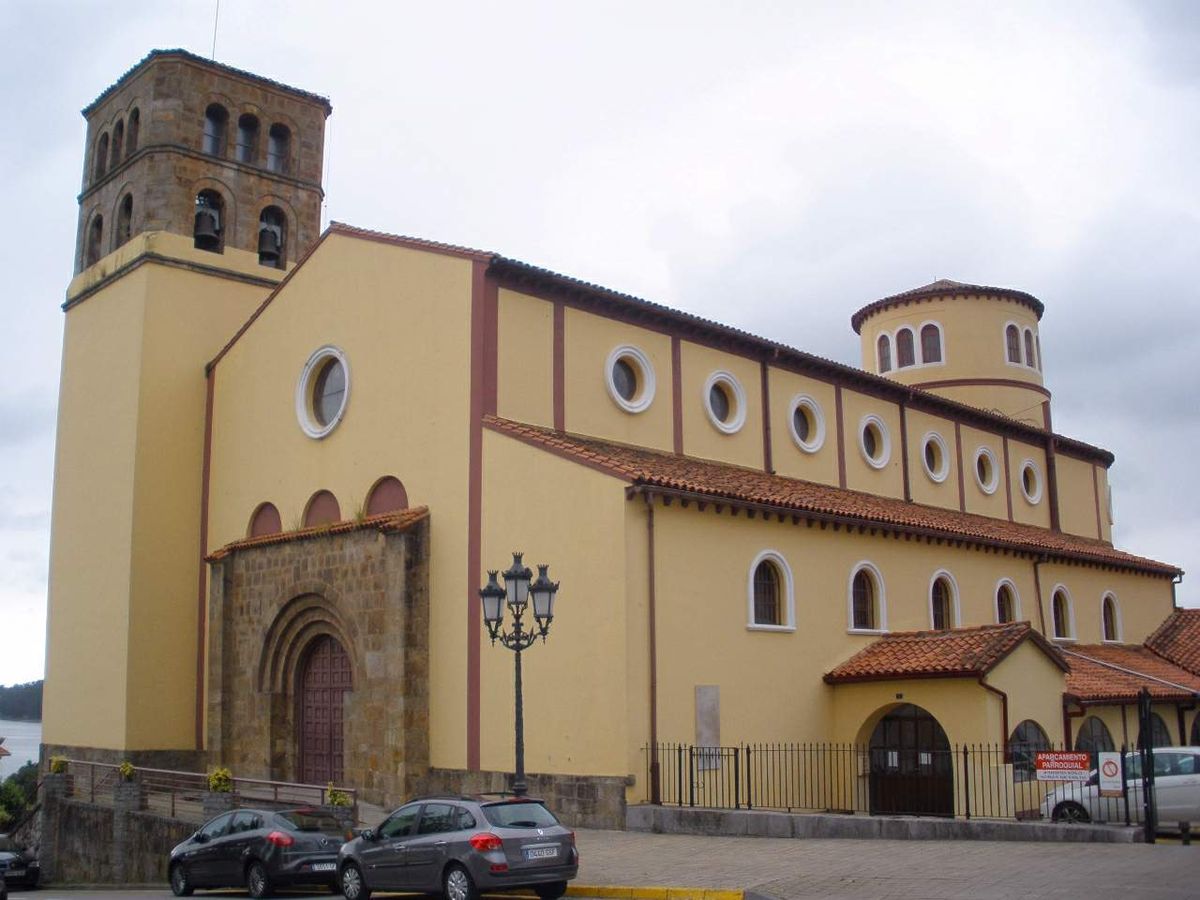
El núcleo principal se llama La Cavada, pero no te imagines una plaza mayor con soportales. Es una sucesión de barrios desperdigados. Lo primero que llama la atención es la iglesia de San Andrés, con su torre cuadrada que sirve de faro entre tanta pradera verde. Es del siglo XVI, tiene esa pátina de humedad cantábrica y suele estar cerrada. No es un museo; es donde bautizan a los niños del valle.
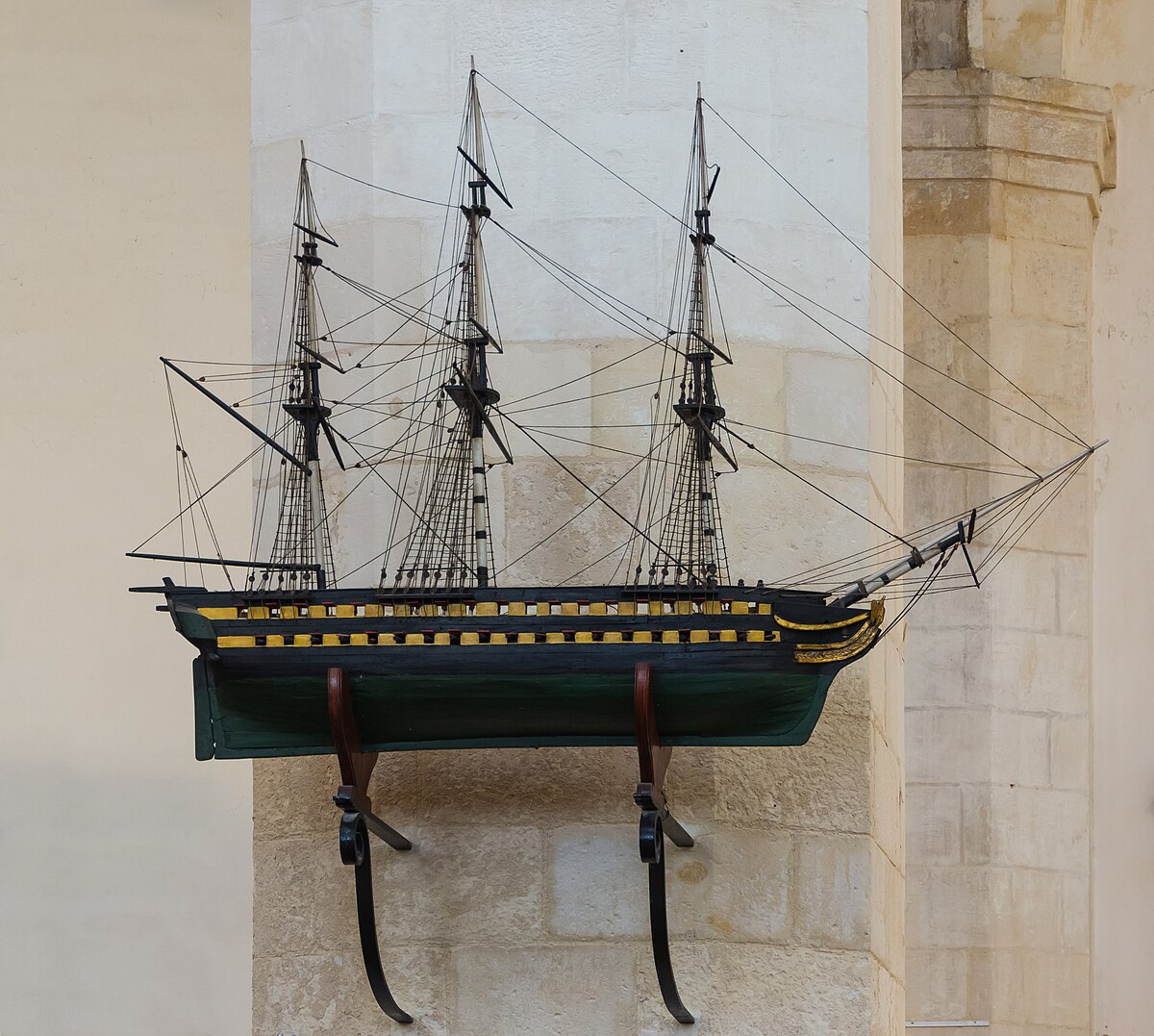
Al lado, están los restos de lo importante: la Real Fábrica de Artillería. Suena grandioso, ¿verdad? Pues prepárate para ver unos muros medio comidos por la hiedra y algún cartel explicativo. En el siglo XVIII aquí fundían cañones para los barcos del rey. Hoy es el sitio perfecto para un paseo perro en el que, si sabes mirar, puedes imaginarte el ruino infernal que debía ser esto hace tres siglos. El contraste es bestial: donde antes chorreaba hierro fundido, ahora pacen vacas.
Andar sin rumbo (es el único rumbo posible)
La forma honesta de ver Riotuerto es a pie. No hace falta equipación técnica; con unas zapatillas que no importe manchar de barro vale. Los caminos conectan barrios como Angustina o Ogarrio con La Cavada, cruzando prados donde siempre suena un cencerro a lo lejos.
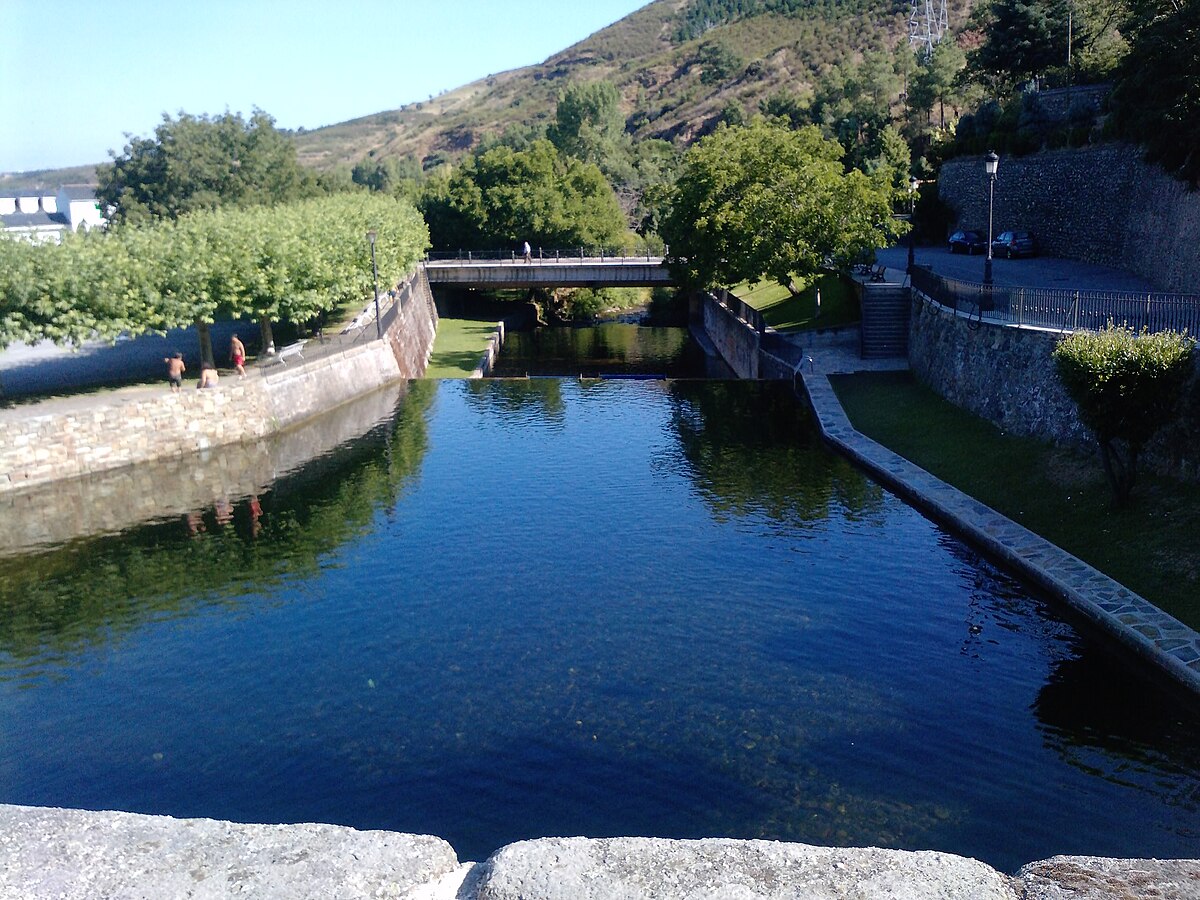
El río Campiazo aparece y desaparece entre la maleza. No es espectacular, pero tiene ese color verde oscuro y esa humedad que huelen a norte profundo. Si ha llovido –y en Cantabria esa pregunta es retórica–, algunos tramos se convierten en una prueba de equilibrio sobre el barro. Forma parte del paquete.
En bici también se puede recorrer, pero las carreteras son estrechas y con curvas ciegas. Mejor ir tranquilo y asumir que una furgoneta puede aparecer de repente en mitad de la curva.
Un valle con horario propio
Esto no es un pueblo museo. La vida gira alrededor del campo: verás camiones cargados de hierba, gallinas sueltas y vecinos que te saludan con la cabeza desde la puerta de su garaje. Los sábados por la mañana hay más movimiento, pero nunca llegarás a sentir agobio.
Eso sí: hay que tener sentido común. No bloquees portones con el coche (por ahí sacan las vacas), cierra las cancillas tras pasar y no te metas en fincas privadas. Es sentido común rural, básicamente.
Si vienes (y deberías venir así)
Ven sin prisa y sin lista de "imprescindibles". Con una mañana basta.
- Deja el coche cerca de los restos de la fábrica en La Cavada echa un vistazo.
- Sube hasta la iglesia para tener una vista panorámica del valle.
- Elige cualquier camino que baje hacia el río y simplemente sigue andando media hora.
No vas a encontrar una taberna con letrero vintage ni una tienda de artesanía local. Quizá veas un bar donde entran los mismos de siempre a echar un partido. La recompensa es otra: la sensación de estar en un sitio real, donde el turismo es solo una anécdota lateral.
La personalidad según la estación
La primavera y el otoño le sientan bien al valle: todo está verde intenso y el aire huele a tierra mojada. El verano puede ser sorprendentemente caluroso algunos días. El invierno lo transforma todo: se vuelve gris, húmedo y mucho más auténtico (léase: barro hasta las rodillas). Es cuando mejor se entiende el carácter tozudo de esta tierra.
Riotuerto no te va a conquistar con postales perfectas. Te va a dar indiferencia, casi hostilidad si llegas con expectativas equivocadas. Pero si lo que buscas es quitarte durante unas horas el ruido mental –el del tráfico y el propio– este valle discreto a media hora de Santander funciona mejor que cualquier spa caro. Solo recuerda calzar bien