Full Article
about Solórzano
Palacios de Trasmiera
Hide article Read full article
A village that appears out of the mist
A trip to Solórzano can start with a small doubt. You follow a local road for a while and begin to wonder if the destination exists at all. Mist drifts up from the Bay of Santander and sometimes clings to these hills like an old blanket. Then, without much warning, the sign appears. Three syllables that sound firmly rooted in the region: So-lór-za-no.
You step out of the car and take a breath. The air carries the smell of pasture and livestock, a scent that quickly confirms you are in inland Cantabria. There is nothing staged about it. The place feels lived in from the first moment.
A valley shaped around its church
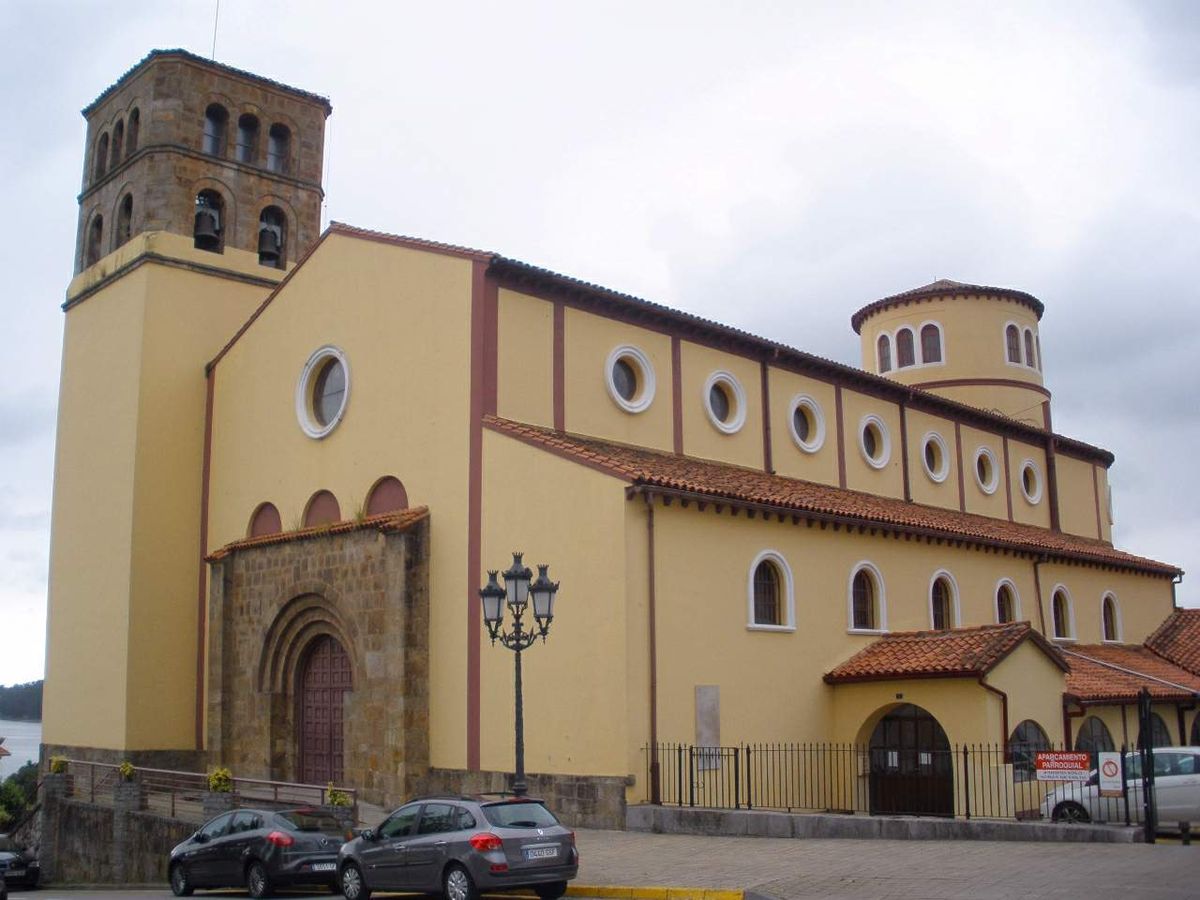
Solórzano does not present itself as a single compact village. It spreads across a valley, with neighbourhoods and stone houses scattered along the slopes as if they had gradually slipped downhill over time. At the centre sits the church of San Pedro, surrounded by a handful of large houses that hint at families of some local standing in the past.
The area has a long history. There are traditional references to links with monasteries and ecclesiastical estates during the Middle Ages, when much of this land was used for vineyards or crops. That past is not immediately obvious today, given the wide stretches of pasture that dominate the landscape.
One building that still connects to that history is the old Casa de Juntas, associated with the historic Junta de Cesto y Voto. It is not especially grand, but it holds a detail that often catches attention: an old archive fitted with several locks. According to local accounts, there were three padlocks. In small communities, official documents were taken seriously, and safeguarding them could become something of an art.
The quiet climb to Fresnedo
Many visitors choose to stretch their legs with a walk up to the sanctuary of Fresnedo. A path leads out from the village and reaches the top in roughly two kilometres. The route is gentle rather than demanding, the kind of walk where conversation flows easily without leaving anyone short of breath.
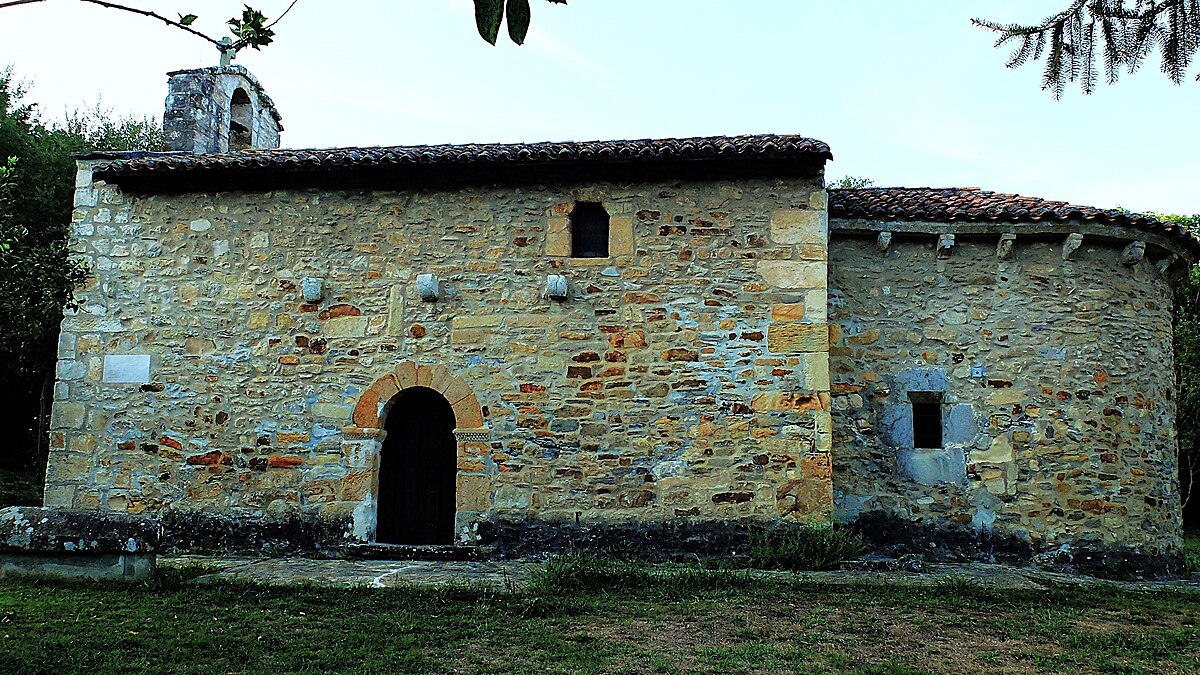
The sanctuary has long been important in the surrounding area. The image of the Virgin housed there is said to be small, around half a metre in height, yet it is one of the most widely venerated figures in this part of Trasmiera, a historic coastal region of Cantabria. The current building is generally dated to the 15th century, although it has undergone later alterations.
At the top, the appeal extends beyond the church itself. The valley falls quiet in a way that feels almost unfamiliar. Sitting on a low wall, you can look out across the meadows and hear the soft clatter of cowbells. The absence of engine noise becomes noticeable after a few minutes. The scene is simple, though it tends to linger longer than expected.
Food when the temperature drops
Conversations about food in this part of Cantabria often lead to cocido montañés. In Solórzano, it remains a substantial dish, built around white beans, cabbage and compango, the traditional mix of pork cuts used for flavour. It is not a light meal, but it suits a morning spent outdoors.
Dessert frequently brings out quesada, a local speciality found across the region. In homes and small bakeries, it is still made using fairly traditional recipes. The result tends to be firmer and less sweet than many of the more commercial versions that circulate elsewhere.
The atmosphere in the village shifts during the festivities of San Pedro, held towards the end of June. The square becomes busier, families gather for long meals, and the smell of cooking drifts out through open windows. It is a moment when daily routines give way to something more collective.
Walking through the outlying neighbourhoods
Some visitors arrive, see the central area and move on. That approach misses part of what defines Solórzano. The municipality is better understood by exploring its surrounding neighbourhoods.
Marked routes connect places such as Riaño and Regolfo, crossing pastures, small wooded areas and the occasional manor house that reflects the area’s historic ties to minor nobility. These walks are not technical. They follow rural paths where the main obstacle is often a muddy patch rather than anything more demanding.
Life in these neighbourhoods moves at a different pace. The idea of a “neighbour” stretches over distance. It might refer to someone living a couple of kilometres away along a local road rather than just next door. That sense of space shapes daily life in ways that are easy to notice once you spend a little time here.
Is Solórzano worth the visit?
Solórzano does not aim to impress in obvious ways. It has no coastline and no large monuments that attract widespread attention. It is not the most striking destination in Cantabria.
What it offers instead is a form of rural life that feels familiar across the region. Open meadows, houses tied to family histories, and a community where surnames still carry weight. These are not unique features, but they are presented here without embellishment.
The best approach is a simple one. Arrive without rushing. Park near the church, walk through the village for a while, and head up to the sanctuary of Fresnedo if the mood takes you. A short wander through one of the valley’s neighbourhoods helps round out the picture.
A quiet morning is enough to understand the place. Sometimes that is exactly what travelling through Cantabria calls for: slowing down, looking around, and noticing how these villages function when there are no crowds and no need to perform for visitors.