Full Article
about Alcocer
Known as the Cathedral of La Alcarria for its imposing church; near the Buendía reservoir.
Ocultar artículo Leer artículo completo
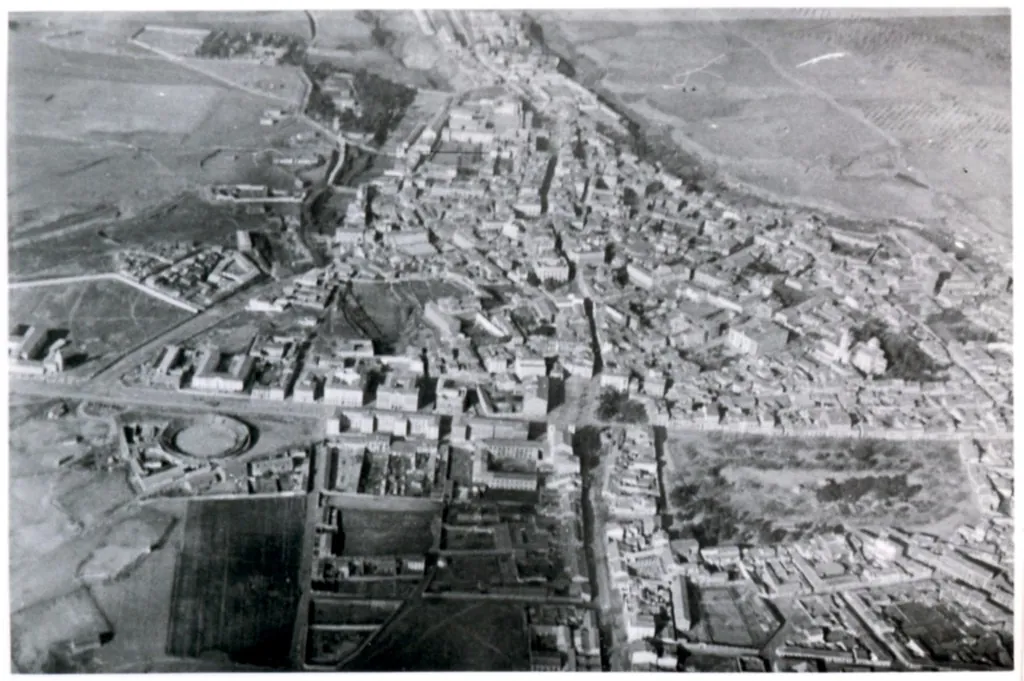
The church bell strikes seven, and for a moment the only sound across Alcocer's rooftops is a tractor grinding to life. From the castle mound, the view stretches west over patchwork olive groves to the Henares river, while the eastern horizon is stitched with the purple thread of the Sierra de Pela. At 780 metres above sea level, the air is thin enough to sharpen every scent: wild thyme, warm stone, and somewhere distant, a wood-fire heating a farmhouse kitchen.
This is Spain stripped of brochure promises. No souvenir stalls, no audio guides, just 300 souls, a single bar and a landscape that has fed sheep, cereals and honey since the Romans arrived with their first olive cuttings.
A village that never learned to shout
The castle keep—really just a squat stone tower with a rusted flagpole—takes ten minutes to circumnavigate. Inside the crumbling wall, someone grows lettuces; outside, the earth drops away in ochre terraces towards the river plain. Ask at Bar Casa Goyo and they will telephone the key-holder, who ambles up, accepts a two-euro coin, and lets you climb the internal ladder to the roof. The reward is a 360-degree map of La Alcarria: cereal plots the colour of pale ale, dark-green holm-oak clusters, and white hamlets scattered like spilled sugar cubes.
Back in the lanes, houses are built from whatever the ground offered: granite for the corners, adobe brick for the infill, oak beams hauled down from the hills. A Renaissance coat of arms—cracked and sun-bleached—survives above one doorway, hinting at times when wool money flowed through these streets. Now the grand frontage hides a toolshed; the owner parks his Seat Ibiza where sedan chairs once turned.
Moving at ground level
Alcocer functions best as a base camp for slow motion. A web of agricultural tracks heads north towards the abandoned railway, south to the Roman bridge at Zaorejas, east onto the high plateau where buzzards wheel over wheat stubble. None of the routes is way-marked, so print an offline map before you leave the A-2. Distances feel shorter than they are: the land rolls gently, but the altitude can catch British lungs unawares. Allow an hour for what the locals cover in twenty minutes.
Spring brings carpets of purple viper's bugloss between the barley rows; autumn smells of crushed coriander seeds and wood-smoke. In July and August the thermometer nudges 38 °C by noon—walk early, siesta late, and carry more water than you think civilised. Winter, by contrast, is startlingly bright; frost whitens the plough at dawn, yet by eleven you can eat breakfast outside in a T-shirt.
What lands on the plate
The village's solitary restaurant, Casa Goyo, opens at 08:00 for farmers wanting coffee and anise, then reappears at 13:30 for lunch. There is no printed menu; María tells you what's available while you stand at the bar. Order the cordero al estilo alcarreño—milk-fed lamb slow-roasted in an iron pot with potatoes and bay. A plate feeds two hungry walkers and costs €14. Vegetarians fare better with pisto manchego, a chunky ratatouille crowned by a fried egg, or migas—fried breadcrumbs with garlic, grapes and the local chorizo so mild it will not frighten children. Pudding is usually borrachos, sponge fingers soaked in sweet Manchegan wine; think trifle without the custard.
Wine comes from the monastery coop at Uclés, twenty minutes west. The house tinto is light, almost Beaujolais in style, and under €15 a bottle if you want to take one back to your casa rural. Cheese is Manchego curado, nutty and crystalline; buy it in Brihuega on market day (Wednesday) because Alcocer's grocer only stocks the bland commercial stuff.
When the day-trippers leave
Weekend lunches pull families up from Madrid—look for number plates beginning with M—but by 17:00 the cars queue to leave and the village exhales. Stay overnight and you will discover the acoustic trick of high-plateau Spain: absolute silence except for the church bell every half-hour and, very occasionally, a dog whose bark ricochets between stone walls like a tennis ball. Bring a torch; street-lighting is courteous rather than comprehensive, and the Milky Way deserves darkness.
Accommodation is limited to three self-catering cottages booked through the provincial tourist office. Check-in is strictly 16:00–20:00; arrive later and you may find the owner has gone to bed. Hot water is reliable, heating less so—pack an extra jumper for February nights that dip below freezing.
Stitching Alcocer into something bigger
The village makes little sense as a single destination unless you crave complete disconnection. Pair it with Brihuega's lavender fields in June, the medieval arch at Hita, or the bee-keeping museum in Valfermoso. Allow a circular driving day: leave Guadalajara at 09:30, coffee in Brihuega, castle climb in Alcocer by noon, lunch at 13:30, then back via the Roman bridge walk at Zaorejas before the sun drops behind the hills.
Public transport exists in theory—a weekday bus from Guadalajara arrives at 13:00 and returns at dawn next day. Miss it and a taxi costs €80. Petrol stations are equally scarce; fill the hire-car in the provincial capital and you can explore for three days without seeing another pump.
The fine print
Mobile signal flickers between Vodafone and EE; WhatsApp works if you stand by the church. The grocer opens 09:00–14:00, closed Sunday and Monday. Cash only—no card machine, no ATM. Bring earplugs if church bells trouble your sleep; they ring the hour, the half, and whenever someone marries or dies.
Alcocer will not change your life, but it might recalibrate your tempo. One sunset from the castle, watching the valley turn bronze while swifts stitch the sky, is usually enough to reset the metropolitan pulse. Just remember to lock the tower gate on your way down; the lettuce beds must be protected, and the key-holder likes an early night.