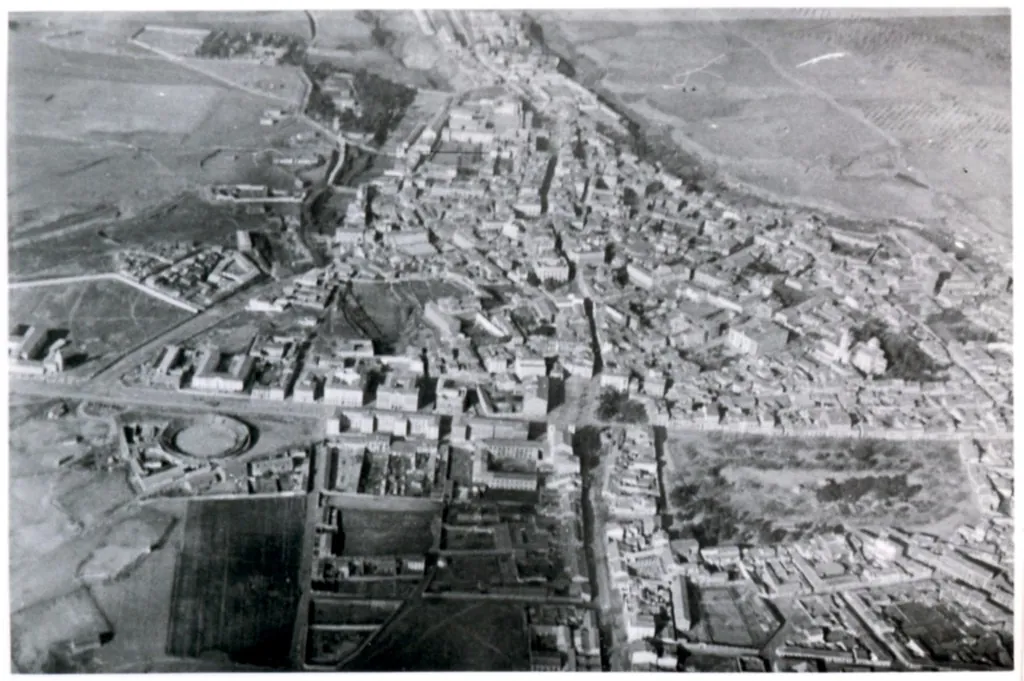
Vista aérea de Alique
Instituto Geográfico Nacional · CC-BY 4.0 scne.es
Castilla-La Mancha · Land of Don Quixote

Alique

The church bell strikes noon, yet nobody appears. Not a single curtain twitches in the stone houses lining Alique's only street. At 920 metres abov...

15 inhabitants · INE 2025
920m Altitude

Why Visit

Mountain Church of the Assumption Hiking

Best Time to Visit

summer

Patron-saint fiestas (August) agosto

Things to See & Do
in Alique

Heritage

  • Church of the Assumption
  • Natural setting

Activities

  • Hiking
  • Stargazing

Festivals
& & Traditions

Fecha agosto

Fiestas patronales (agosto)

Las fiestas locales son el momento perfecto para vivir la autenticidad de Alique.

Full Article
about Alique

Tiny village with rural charm; perfect for a complete getaway

Ocultar artículo Leer artículo completo

The church bell strikes noon, yet nobody appears. Not a single curtain twitches in the stone houses lining Alique's only street. At 920 metres above sea level, even sound behaves differently here—footsteps echo longer, car engines fade into nothingness, and the wind carries conversations from one end of the village to the other. This is La Alcarria at its most distilled: a cluster of stone and mortar clinging to Spain's central plateau, fourteen permanent residents versus an infinity of sky.

Alique isn't pretending to be anything. There's no artisan bakery selling overpriced sourdough, no boutique hotel occupying a painstakingly restored palace. What exists is simpler: houses that have survived centuries of harsh winters and parched summers, their Arabic tiles weathered to the colour of burnt honey, their walls thick enough to keep July heat at bay. The village spreads across a ridge like something spilled, its narrow lanes designed for donkeys rather than Renault Clios, its central plaza—more of a widening, really—containing a stone bench and a view that stretches thirty kilometres east.

The Architecture of Endurance

Every building tells the same story here: stone quarried from nearby fields, timber hauled from forests that vanished centuries ago, mortar mixed with straw and animal hair. The parish church anchors the village physically and psychologically, its squat tower visible from any approach road. Unlike the baroque extravagance found in wealthier regions, Alique's church wears its poverty honestly. The limestone blocks fit together without ornamentation; the wooden door bears axe marks from when someone, decades ago, needed firewood more than decoration. Inside, whitewashed walls and a simple altar remind visitors that faith in these parts has always been practical rather than theatrical.

Walk the perimeter in twenty minutes, thirty if you stop to read the house plaques. Many bear two dates: the original construction, usually 17th or 18th century, and a more recent renovation, typically the 1960s when rural Spain briefly believed concrete could solve everything. The architectural mongrels resulting from this period—stone bases crowned with rectangular blocks of grey cement—now age alongside their more elegant neighbours, all gradually returning to earth tones.

Walking Into Nothing

The real village begins where the tarmac ends. South lies the Barranco del Buendía, a dry river gorge cutting through wheat fields that shimmer like tarnished gold in late spring. North, a web of agricultural tracks connects Alique to settlements that appear on maps but barely exist in reality: Valdeconcha (abandoned), Las Huelgas (three houses), La Aldehuela (weekend homes only). These paths follow ancient drove routes, their stone walls built by workers earning two pesetas a day during the 1940s famine years.

Hiking here requires self-sufficiency and a tolerance for vagueness. The local council maintains exactly zero waymarked trails; instead, walkers follow whatever track seems promising, trusting that eventually they'll hit a road or another village. Distances deceive on the meseta—what appears a gentle stroll becomes a ten-kilometre slog across limestone pavement and thorn scrub. The compensation comes at sunset, when the plateau transforms into something biblical: shadows stretching kilometres long, wheat stubble glowing like molten metal, and the village appearing as a dark tumour on an otherwise perfect horizon.

Spring brings the most dramatic transformation. After winter rains, the normally austere landscape erupts with wild tulips, purple viper's bugloss, and white chamomile that carpets entire fields. Birdlife correspondingly explodes—Montagu's harriers perform their roller-coaster courtship flights above cereal crops, while hoopoes call from almond trees that somehow survive in this windswept environment. The resident Spanish imperial eagle pair, nesting in an abandoned electricity pylon, become local celebrities each March when they raise their single chick against odds that include illegal poison baits and increasingly frequent drought years.

The Seasonal Mathematics

Visit in February and you'll likely share the village with nobody except José María, who at seventy-three represents 7% of Alique's entire population. He'll point out his vegetable garden, explain why the church bell rings at 7 PM (to scare wild boar from crops), and recommend the drove road to Tamajón for mushroom hunting. Return in August and the place feels almost crowded—perhaps fifty people, mostly grandchildren of original residents, escaping Madrid's heat for weekends of barbecue and star-gazing. Houses that stood empty for eleven months suddenly sprout washing lines and satellite dishes; the plaza hosts improvised football matches between cousins who see each other only during these brief reunions.

This seasonal inflation explains Alique's peculiar infrastructure. Electricity arrived in 1985, reliable mobile coverage appeared circa 2015, yet nobody has invested in permanent services because demand simply doesn't justify costs. The nearest shop stands twelve kilometres away in Tortuero, a metropolis of 115 inhabitants. For petrol, medical care, or anything beyond basic groceries, drive forty minutes to Brihuega, famous for its July lavender fields and surprisingly excellent Saturday market where £3 buys enough vegetables to feed four people for a week.

Practicalities for the Curious

Getting here requires commitment. From Madrid's Barajas airport, allow two hours driving via the A-2 motorway—last fuel stop at km 62, because nothing reliable exists thereafter. The final approach involves twelve kilometres of regional road so narrow that meeting a tractor requires creative reversing. Rental cars should be compact; large SUVs scrape stone walls built when vehicles were definitely smaller.

Accommodation options remain limited. No hotels exist within twenty-five kilometres; instead, two village houses offer rooms through word-of-mouth arrangements with Madrid-based owners. Expect €40-50 per night for something rustic but comfortable, including breakfast featuring local honey and bread baked in Brihuega. Alternatively, bring camping gear and request permission from José María—he'll suggest the olive grove above the cemetery, where morning views stretch across three provinces and night skies reveal the Milky Way in embarrassing detail.

Weather demands respect. Summer days reach 38°C despite the altitude; winters drop to -8°C with winds that penetrate supposedly weatherproof jackets. Spring and autumn provide the sweet spot, though pack layers regardless—plateau weather changes with the aggression of a Madrid taxi driver. Rain transforms dirt tracks into axle-breaking mud within minutes; check forecasts before venturing onto secondary roads.

The village offers no restaurants, bars, or indeed any commercial activity beyond the occasional honesty-box selling walnuts or eggs. Bring supplies, or time visits around Brihuega's market days. What Alique provides instead is increasingly rare across Europe: genuine silence, horizons uninterrupted by wind turbines, and nights so dark that torch batteries seem to last forever simply because they're rarely needed.

Leave before dawn on your final morning. Stand at the village edge as light creeps across the meseta, watch Alique's stone walls warm from grey to honey-gold, and understand why fourteen people refuse to abandon this apparently empty place. The attraction isn't what exists here—it's what doesn't. No traffic, no advertising, no soundtrack beyond wind and the occasional church bell. Just Spain's central plateau doing what it's done for millennia: existing stubbornly, beautifully, and with complete indifference to whether anyone's watching or not.

Key Facts

Region
Castilla-La Mancha
District
La Alcarria
INE Code
19019
Coast
No
Mountain
Yes
Season
summer

Livability & Services

Key data for living or remote work

2024
HealthcareHealth center
Housing~5€/m² rent · Affordable
CoastBeach nearby
Sources: INE, CNMC, Ministry of Health, AEMET

Planning Your Visit?

Discover more villages in the La Alcarria.

View full region →

More villages in La Alcarria

Traveler Reviews