Full Article
about Almonacid de Zorita
Historic town tied to the Order of Calatrava; rich heritage and river setting.
Hide article Read full article
A Different Pace in La Alcarria
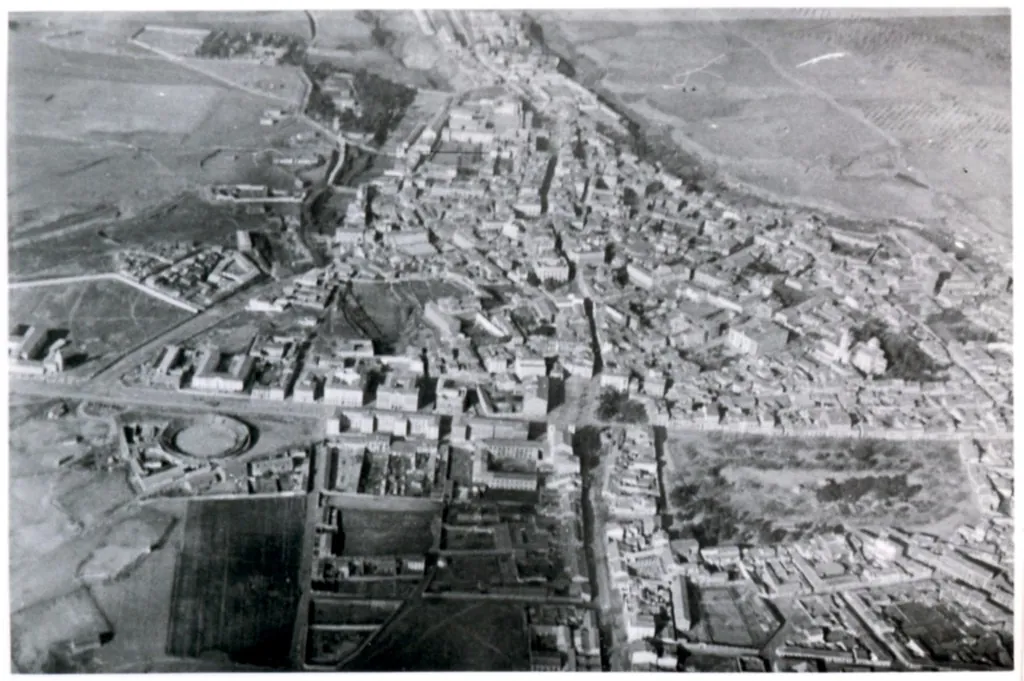
Some places are visited with a checklist in hand. Others are better approached like a gentle stroll after lunch, with no particular goal in mind. Tourism in Almonacid de Zorita belongs firmly in the second category. This small municipality in the Alcarria area of Guadalajara province, home to just over six hundred residents, is not about ticking off headline attractions. What matters here is how everything fits together: the streets, the open landscape and a sense of calm that is increasingly hard to come by.
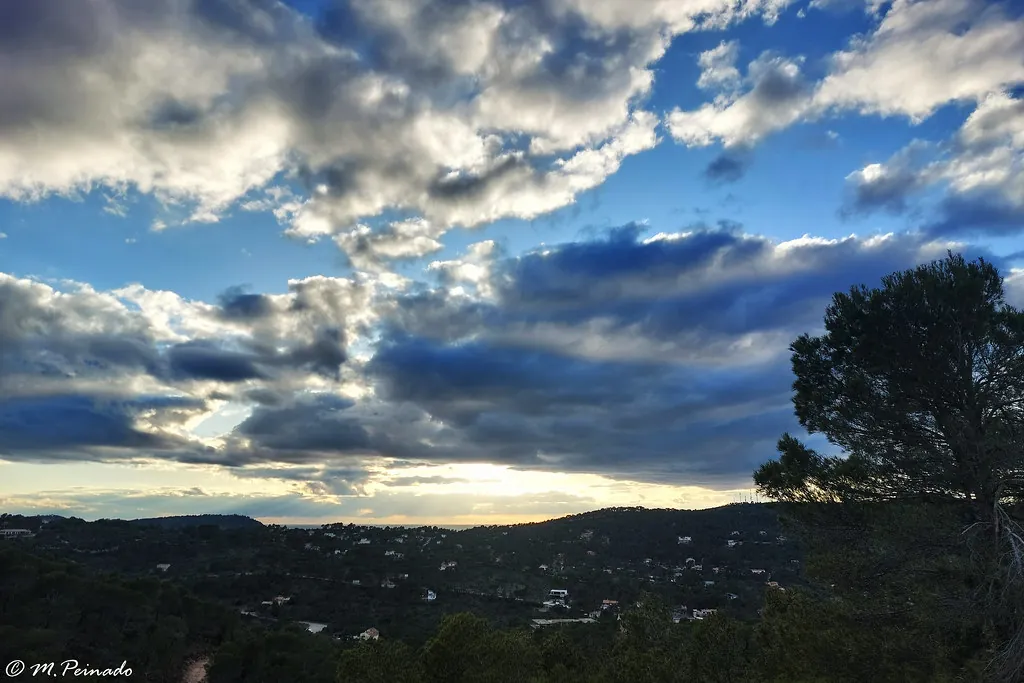
From certain points in the village, the valley of the River Tagus opens up into those long, uninterrupted horizons so closely associated with Castile. Cereal fields stretch for miles, especially striking under the wide sky. The name Almonacid is often linked to its Arab past, possibly from “al-monastir”, meaning monastery. Today that connection survives more as a historical footnote than something visible on the ground.
What is visible is a settlement shaped by climate. Stone houses, tiled roofs and streets planned with both cold winters and intense summers in mind define the look of the place. Everything feels practical, built to last and to cope with the seasons rather than to impress.
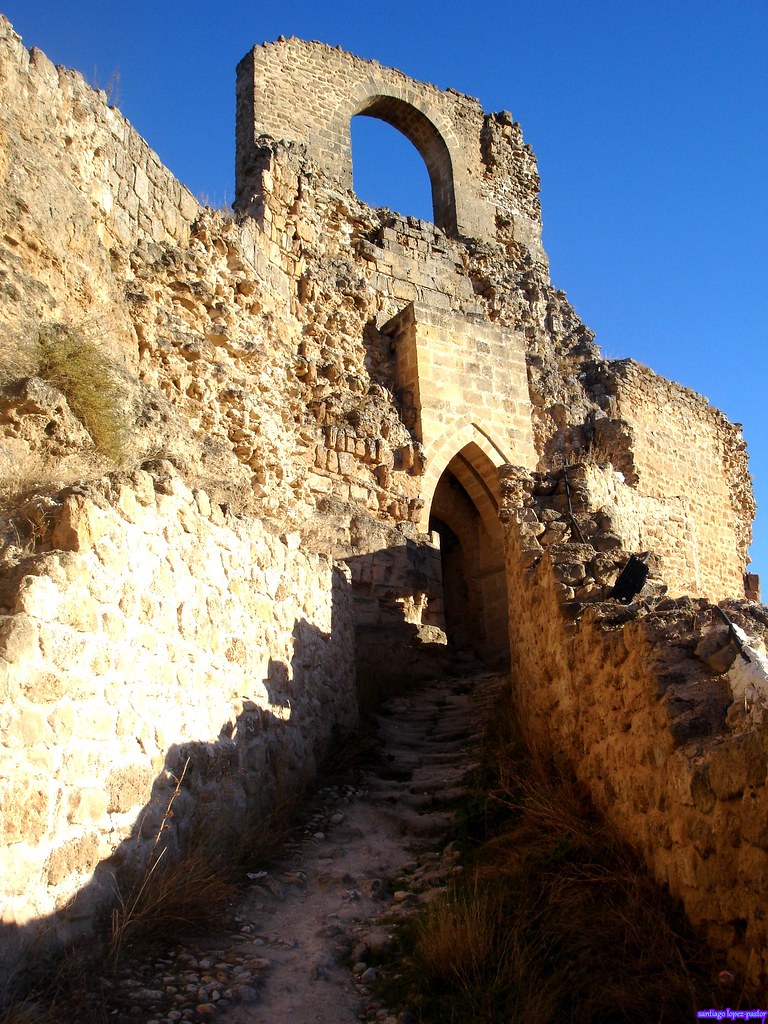
A few kilometres away stands Zorita de los Canes and its Calatrava castle, an important reference point for understanding the history of this part of Castilla La Mancha. For anyone curious about the medieval past of La Alcarria, it makes a worthwhile nearby excursion. It is best to check in advance when visits are possible.
The Village at Ground Level
Life in Almonacid de Zorita revolves around a simple central square. There are benches, some shade and the kind of unhurried conversation that tends to surface in Spanish villages as the afternoon fades. It is not monumental and does not try to be. This is where daily life unfolds.
The parish church occupies one side of the square. It is modest, in keeping with the scale of the village. There is no grand façade or elaborate decoration, yet that restraint is precisely why it sits so naturally within its surroundings.
The real interest often lies in the smaller details noticed while walking. Stone lintels above doorways, old iron grilles on windows, the occasional coat of arms carved into a façade. Many houses still retain corrals or former haylofts attached to the main building, a reminder that life here long revolved around agriculture and livestock. These features are not displayed as heritage exhibits. They remain part of everyday architecture.
Walking without a fixed route works particularly well here. A turn down an unassuming street can suddenly lead to a point where the landscape opens up. There are no marked viewpoints or purpose-built platforms for photographs. Instead, a simple corner or the edge of the village offers a view across the valley or out towards the surrounding fields. The effect is unplanned and all the more effective for it.
Close by, the castle of Zorita de los Canes deserves time of its own if exploring the area. Its Arab origins and later association with the Order of Calatrava help explain how this territory functioned as a frontier for centuries. The structure provides context for the wider region and complements a visit to Almonacid de Zorita without overshadowing it.
Walking Routes, Water and Local Flavours
One of the most rewarding ways to experience the area is simply to head out along rural tracks. These were traditionally used by farmers and livestock breeders, so they are not designed as formal tourist routes. Signage is limited. The experience is closer to following a broad dirt path, observing the landscape and deciding how far to continue.
The nearby Bolarque reservoir shifts the scenery slightly. The presence of water attracts birdlife, and it is relatively easy to spot species if there is patience and a pair of binoculars. Cormorants are often seen, along with birds of prey taking advantage of thermal currents. It is not a specialised birdwatching destination, yet nature tends to reveal itself to those who pay attention.
Food in La Alcarria is straightforward and rooted in tradition. Lamb features prominently, as do migas, a rustic dish made from fried breadcrumbs, and substantial stews suited to colder months. Another constant across the comarca is the honey of La Alcarria. This product has been linked to the identity of the territory for a long time and appears regularly in local cuisine and markets.
Those wishing to broaden their route will find two well-known towns in the province within reach. Pastrana is noted for its ducal past and Renaissance architecture, which give it a distinct character within Guadalajara. Brihuega draws large numbers of visitors in summer when its lavender fields come into bloom, transforming parts of the surrounding countryside into bands of purple.
Traditions That Shape the Year
In a village of this size, the festive calendar still marks important shifts in rhythm. Summer usually brings the patron saint festivities, with open-air dances and activities centred on the main square. It is a time when many people with family ties to Almonacid de Zorita return, even if they now live elsewhere. The population briefly grows, and the atmosphere changes.
January is associated with San Antón, a tradition historically linked to animals and rural life. The celebration reflects the agricultural roots that remain visible in the layout of houses and the surrounding fields.
Easter, or Semana Santa, is observed in a more restrained manner than in larger Spanish cities. Processions pass through the village streets, simple in form and closely tied to the local community. There is little spectacle, yet strong participation from residents.
These are small-scale celebrations with a distinctly local character. Observing how the village comes together during these moments offers a clear sense of how life functions here for the rest of the year. There is no need for grand events or constant activity. The customs endure quietly, integrated into daily routines and the steady pace that defines Almonacid de Zorita.
In the end, visiting this corner of La Alcarria is less about seeking out highlights and more about adjusting to its tempo. The open horizons of the Tagus valley, the practical architecture and the understated traditions combine to create a place best understood on foot, without hurry and without expectations beyond what the landscape itself provides.