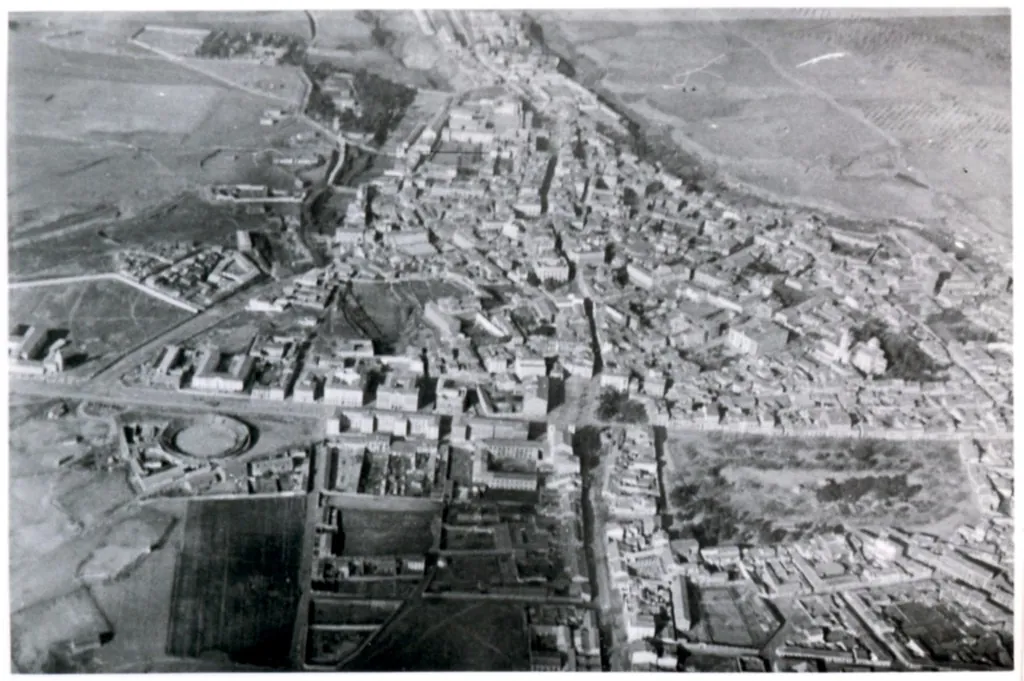
Vista aérea de Aranzueque
Instituto Geográfico Nacional · CC-BY 4.0 scne.es
Castilla-La Mancha · Land of Don Quixote

Aranzueque

The church bell tolls at noon, and for a moment the only other sound is wheat rustling in the breeze. Aranzueque's single traffic light—more decora...

411 inhabitants · INE 2025
696m Altitude

Why Visit

Church of the Assumption Walks through the vega

Best Time to Visit

summer

Santo Domingo Festival (August) agosto

Things to See & Do
in Aranzueque

Heritage

  • Church of the Assumption
  • Bridge over the Tajuña

Activities

  • Walks through the vega
  • Cycling tourism

Festivals
& & Traditions

Fecha agosto

Fiestas de Santo Domingo (agosto)

Las fiestas locales son el momento perfecto para vivir la autenticidad de Aranzueque.

Full Article
about Aranzueque

Located in the Tajuña valley; known for its asparagus crops and vegetable gardens.

Ocultar artículo Leer artículo completo

The church bell tolls at noon, and for a moment the only other sound is wheat rustling in the breeze. Aranzueque's single traffic light—more decorative than functional—clicks from red to green as an elderly man emerges from the bakery with yesterday's bread, still warm and costing eighty cents. This is village life at 696 metres above sea level, where Castilla-La Mancha's famous plains buckle into gentle folds and the horizon stretches until it blurs with summer heat haze.

Don't mistake this for the royal palace complex at Aranjuez, despite what autocorrect insists. Aranzueque sits ninety kilometres northeast of Madrid, a world away from tour buses and selfie sticks. The confusion happens so often that locals have stopped correcting visitors. They simply nod and point towards the church, knowing full well that anyone expecting manicured gardens will instead find stone houses with wooden doors weathered to silver-grey, and streets so quiet you can hear your footsteps echo off adobe walls.

The Architecture of Absence

What Aranzueque lacks in monuments, it compensates with atmosphere. The fifteenth-century parish church dominates the skyline, its bell tower visible from kilometres away across seas of wheat and barley. Construction spans centuries—Gothic ribs support Baroque additions, while the wooden altar bears scars from the Civil War. Step inside during siesta hours and the cool darkness smells of incense and centuries-old stone.

Wander the lanes between 2pm and 5pm and you'll likely have them to yourself. Houses here weren't built for show. Thick stone walls keep interiors cool during brutal summers, when temperatures regularly exceed 35°C. Small windows face north, away from the relentless sun. Many properties stand empty, their owners having migrated to Madrid or Barcelona decades ago. Wooden doors hang slightly askew on iron hinges, revealing glimpses of interior courtyards where geraniums bloom improbably against whitewashed walls.

The village's former wealth—such as it was—came from wheat and sheep. Evidence remains in the substantial grain stores, now converted into garages or left to crumble. One particularly fine example on Calle Mayor features original stone carvings dating from 1732, though you'd miss them without looking up. That's the thing about Aranzueque: rewards come to those who slow down and pay attention.

Walking Through Seasons

Spring transforms the surrounding countryside into a patchwork of emerald green and brilliant yellow. Poppy seeds lie dormant in wheat fields for years, germinating only when the soil is disturbed. After ploughing, entire slopes blush scarlet. Local farmer José María—everyone knows him—claims he can predict rainfall by counting ladybirds on his tractor. Whether true or not, his tomatoes taste of proper sunshine, the kind that never quite reaches British shores.

The GR-160 long-distance path skirts village boundaries, though signage proves sporadic. Better to simply walk. Head south towards the seasonal stream, where oleanders grow wild and hoopoes probe the muddy banks. In autumn, the landscape shifts through burnt umber and rust, wheat stubble crunching underfoot. Winter brings proper cold—night temperatures drop below freezing, and morning frost turns every blade of grass into a miniature crystal sculpture.

Summer walks require planning. Start early, before the sun climbs above the eastern hills. By 11am, heat shimmers make distant olive groves appear to float. Take water—lots of it—and don't expect shade. The only trees grow in dry riverbeds, their roots tapping into underground moisture. Vultures circle overhead, riding thermals with barely a wingbeat. They're waiting for something to die, which in this climate happens quickly.

The Taste of Wheat and Honey

Food here tastes of the land itself. In Casa Pedro, the village's only bar, migas arrive as a mountain of fried breadcrumbs studded with chorizo and grapes. The dish originated as field workers' lunch—stale bread transformed into something sustaining. Pedro's wife makes it properly, working the mixture with her hands rather than a spoon, achieving the correct texture somewhere between crunchy and yielding.

Local honey carries subtle hints of rosemary and thyme, reflecting the scrubland where bees forage. Buy it directly from beekeeper Ana, whose garage serves as an informal shop. She'll insist you taste before purchasing, explaining the difference between spring and autumn harvests. The former runs pale and delicate; latter batches darken, developing almost medicinal properties. Both cost €8 per kilo, cash only—Ana doesn't trust card machines.

Queso de oveja from neighbouring villages appears at Saturday markets in Guadalajara, thirty kilometres north. Made from Manchega sheep milk, it bears no resemblance to supermarket versions. Properly aged for six months, it develops crunchy protein crystals and a depth of flavour that makes parmesan seem timid. Bring a cool box—Spanish summers turn cheese to oil within hours.

The Reality Check

Let's be honest: Aranzueque isn't for everyone. The single shop closes for three hours at lunchtime and doesn't open Sundays. Mobile reception drops to 3G on a good day. British tourists expecting tapas trails or wine tours will find neither. What you get instead is authenticity—sometimes uncomfortable, often boring, occasionally profound.

August fiestas transform the place temporarily. Population swells to perhaps a thousand as former residents return. Temporary bars appear in the square, serving beer at €1.50 a caña while brass bands play until 3am. For three days, the village feels alive. Then everyone leaves, taking the noise and colour with them. September mornings arrive wrapped in silence so complete you can hear your own heartbeat.

Getting here requires determination. Madrid-Barajas airport lies ninety minutes away via the A-2 motorway, but the final twenty kilometres wind through landscapes that feel increasingly remote. Car hire isn't optional—public transport consists of one daily bus that might turn up, or might not. In winter, early morning fog frequently closes surrounding roads. Spring and autumn offer the best compromise: mild weather, clear skies, and wheat fields either green with promise or golden with harvest.

Stay longer than a day and the village reveals its rhythms. Bread delivery at 8am. The afternoon exodus of men to the bar for coffee and dominoes. How sunset paints church walls the colour of burnt caramel. These aren't attractions—they're simply life continuing, indifferent to whether anyone watches or not. In an age of curated experiences and Instagram moments, that might be Aranzueque's greatest luxury.

Key Facts

Region
Castilla-La Mancha
District
La Alcarria
INE Code
19036
Coast
No
Mountain
No
Season
summer

Livability & Services

Key data for living or remote work

2024
Connectivity5G available
TransportTrain 12 km away
HealthcareHospital 11 km away
Housing~5€/m² rent · Affordable
Sources: INE, CNMC, Ministry of Health, AEMET

Official Data

Institutional records and open data (when available).

  • ESCUDO EN 07190360002. CASONA DEL INDIANO
    bic Genérico ~1.1 km

Planning Your Visit?

Discover more villages in the La Alcarria.

View full region →

More villages in La Alcarria

Traveler Reviews