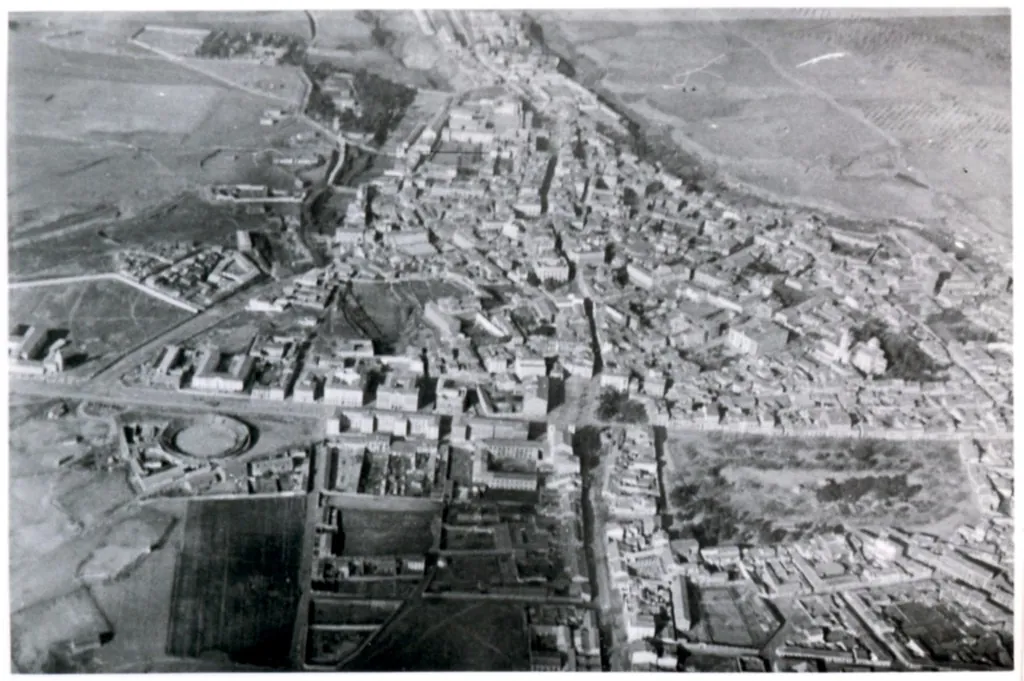
Vista aérea de Arrancacepas
Instituto Geográfico Nacional · CC-BY 4.0 scne.es
Castilla-La Mancha · Land of Don Quixote

Arrancacepas

The thermometer drops five degrees as you climb the final bend. One moment you're winding through sun-baked olive groves, the next you're squinting...

14 inhabitants · INE 2025
980m Altitude

Why Visit

Mountain Church of San Gil Abad Winery Route

Best Time to Visit

summer

San Gil Festival (September) agosto

Things to See & Do
in Arrancacepas

Heritage

  • Church of San Gil Abad
  • Hermitage of la Carrasca

Activities

  • Winery Route
  • Hiking

Festivals
& & Traditions

Fecha agosto

Fiestas de San Gil (septiembre)

Las fiestas locales son el momento perfecto para vivir la autenticidad de Arrancacepas.

Full Article
about Arrancacepas

Picturesque village in the Alcarria of Cuenca; known for its traditional cave-cellars.

Ocultar artículo Leer artículo completo

The thermometer drops five degrees as you climb the final bend. One moment you're winding through sun-baked olive groves, the next you're squinting through windscreen wipes at a scatter of stone houses that seem to have been glued to the mountainside. Welcome to Arrancacepas, population twenty-eight, altitude 980 metres – a village so high that mobile reception becomes theoretical and the air tastes faintly of thyme.

This isn't one of those restored showpieces where every door has a brass knocker and a geranium. Arrancacepas wears its decline openly. Roughly half the houses stand empty, their wooden balconies sagging like tired eyelids. The other half have been snapped up as weekend refuges by Madrilenos who've discovered that silence, properly aged, becomes addictive. They arrive Friday night, stock up on firewood, and don't emerge until Monday's commute forces them back to the capital.

The village name translates roughly to "pull up roots," which sounds agricultural until you learn it refers to the back-breaking work of clearing this land for farming. The soil here is thin, stony, and unforgiving – characteristics that shaped both the landscape and the people who stayed. Walking the single main street takes seven minutes if you're dawdling. Houses huddle together for warmth, their thick stone walls pierced by windows just large enough to admit light without surrendering too much heat. It's architecture born of necessity, not aesthetics, though the result has a certain austere beauty.

The Church That Survived Everything

The parish church squats at the village's highest point, its modest bell tower visible for miles across the paramo. Built from the same honey-coloured stone as every other building, it lacks the grand facade or elaborate carvings that draw cathedral crowds. Step inside (if someone's remembered to unlock it) and you'll find a single nave, rough-hewn pillars, and walls that still bear the soot marks from centuries of candle smoke. The priest visits twice monthly; the rest of the time, the building serves as village timekeeper, its bell marking hours that pass largely unobserved.

What's remarkable isn't the architecture but the persistence. This church has survived plagues, civil war, and rural exodus. During the 1950s and 60s, when half of Spain's villages emptied as people sought work in cities and abroad, Arrancacepas clung on. The church bell kept ringing, even when there were barely enough worshippers to carry the statue of the Virgin during August fiestas.

Walking Into Nothing

The real attraction here isn't man-made. Step past the last house and you're immediately in serious country. The landscape unfolds like a crumpled map – dry valleys carved by seasonal streams, ridges crowned with wind-sculpted juniper, and everywhere that characteristic Alcarrian emptiness that makes you check your phone battery twice.

Several rough tracks lead from the village, though calling them "footpaths" flatters them. These are agricultural access routes, used by farmers checking sheep or searching for mushrooms after autumn rains. The most straightforward walk follows the ridge eastwards towards the abandoned hamlet of Los Alares, three kilometres distant. The path gains another hundred metres of altitude before dropping into a valley where stone terraces speak of crops grown when this land supported more than weekenders and retirees.

Spring transforms these walks entirely. After the first proper rains – usually late March or April – the paramo erupts in wildflowers. Purple patches of viper's bugloss compete with yellow Spanish broom, while closer to the ground, tiny narcissus push through last year's dried grass. The contrast with summer's stark browns is so complete that first-time visitors assume they've taken a wrong turning.

Winter's Sharp Edge

Altitude cuts both ways. Summer brings welcome relief from the oppressive heat that bakes Cuenca's plains below. Even in August, Arrancacepas nights can drop to twelve degrees – pack a jumper, whatever the weather forecast says. Winter, however, is a different proposition. When storms sweep across the Meseta, this village catches the full force. Snow isn't uncommon from November through March, and the access road – narrow at the best of times – becomes treacherous enough that locals stock up on supplies when forecasts threaten.

The upside of winter hardship is clarity. On sharp January mornings, when overnight frost has silenced even the dogs, visibility extends for fifty kilometres. The Sierra de Cuenca rises to the east like a saw blade, while westward, the plains stretch towards Madrid, visible as a distant smudge on clear days. These are the moments that justify the effort of reaching somewhere this remote.

Eating (Or Not) Locally

Let's be honest about dining options: there aren't any. Arrancacepas has neither bar nor restaurant, not even a village shop selling tinned sardines. The last grocery closed in 2003 when its proprietor retired to Valencia to be nearer her grandchildren. Residents drive twenty minutes to Campillo de Altobuey for basics, forty-five to Cuenca for anything approaching choice.

This absence of commercial infrastructure frustrates some visitors, particularly those accustomed to villages where every second house offers "artisanal" cheese or "traditional" pottery. Arrancacepas offers instead what most of rural Spain has lost: genuine self-sufficiency. Weekend residents arrive with cool boxes packed in Madrid markets, but locals still grow vegetables in walled gardens, keep chickens for eggs, and preserve summer's surplus for winter scarcity.

The nearest proper meal is in Villar del Humo, twelve kilometres down the mountain, where Casa Paco serves robust Alcarrian cooking at prices that seem misprinted. A plate of cordero al horno – lamb slow-cooked with local herbs until it surrenders from the bone – costs twelve euros. The wine list extends to house red or house red, served in glass tumblers that predate stemware fashion.

The Arithmetic of Abandonment

Every empty house here tells the same story in slightly different words. The family who left for Barcelona in 1962, sending back photographs of apartments with indoor plumbing. The couple who tried running a guesthouse in the 1990s before discovering that most tourists prefer destinations with, well, things to do. The elderly man who died last winter, leaving a house full of agricultural tools his children will never use.

Yet abandonment creates its own opportunities. The same isolation that drove people away now attracts others seeking precisely what cities lack. A Madrid architect bought three adjoining houses, combining them into a minimalist retreat where underfloor heating meets four-hundred-year-old walls. A German photographer spent three years negotiating purchase of the old schoolhouse, converting it into a studio where the only distraction is changing light across the paramo.

This process – call it gentrification if you must – saves buildings but changes character. Newcomers bring different expectations: organic deliveries from Valencia markets, satellite internet, heated towel rails. Whether Arrancacepas will survive this transition better than it survived rural exodus remains an open question.

Getting Here (And Away Again)

The drive from Cuenca takes ninety minutes on paper, longer in practice. Leave the A-40 at Tarancón, following the CM-210 through landscapes that grow progressively emptier. After Campillo de Altobuey, the road narrows and climbs, each bend revealing another valley where eagles circle thermals and stone farmhouses stand isolated amid almond groves.

Public transport doesn't reach Arrancacepas. The nearest bus stop is in Villar del Humo, twelve kilometres away, served twice daily from Cuenca – morning departure, afternoon return. Miss the afternoon bus and you're spending the night, whether you packed a toothbrush or not.

Is it worth the effort? That depends entirely on what you seek. If your ideal Spanish village involves tapas bars and photogenic plazas, stay on the motorway to Albarracín. If you want to understand how rural Spain is negotiating the twenty-first century – sometimes successfully, sometimes not – Arrancacepas offers an unvarnished education. Just remember to fill the petrol tank and bring sandwiches. The village isn't going anywhere, but neither is it waiting to accommodate passing whims.

Key Facts

Region
Castilla-La Mancha
District
La Alcarria
INE Code
16025
Coast
No
Mountain
Yes
Season
summer

Livability & Services

Key data for living or remote work

2024
TransportTrain 15 km away
Housing~5€/m² rent · Affordable
Sources: INE, CNMC, Ministry of Health, AEMET

Planning Your Visit?

Discover more villages in the La Alcarria.

View full region →

More villages in La Alcarria

Traveler Reviews