Full Article
about Auñón
Charming Alcarrian village; noted for its medieval bridge and riverside setting.
Hide article Read full article
Auñón en La Alcarria
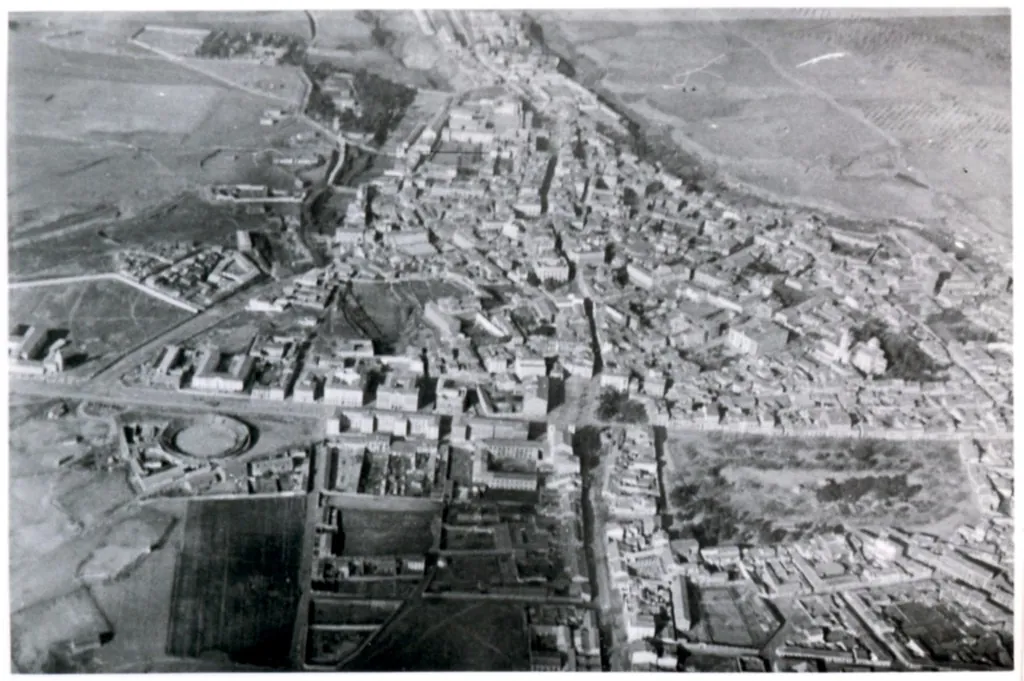
Auñón se asienta sobre una loma baja en la comarca de La Alcarria, en la provincia de Guadalajara. Desde allí, la vista se abre a un paisaje de campos de cereal que descienden hacia el embalse de Entrepeñas. Con poco más de ciento cincuenta habitantes, el pueblo mantiene una escala humana donde el trabajo agrícola aún marca el ritmo del día.
Su historia está ligada a las rutas que atravesaban esta tierra de yesos y olivos, y sobre todo al monasterio cisterciense de Monsalud, a pocos kilómetros. Durante siglos, la abadía organizó el territorio y sus cultivos. Esa relación entre el poblamiento y el campo sigue siendo legible: el pueblo y sus tierras forman una misma unidad.
La iglesia y la trama urbana
La iglesia parroquial ocupa uno de los puntos altos de la loma. Su aspecto actual es el resultado de reformas sucesivas, algo habitual en las iglesias rurales donde cada época añadió o modificó algo. La torre es sencilla, casi sin decoración, y funciona como referencia visual desde los caminos de acceso.
El trazado de las calles muestra un crecimiento lento y adaptado a la pendiente. No hay una cuadrícula regular, sino una red que sigue las curvas de nivel y las antiguas divisiones agrarias. En muchas fachadas se conservan muros de mampostería y portones anchos, pensados para el paso de carros y animales. Son frecuentes los patios interiores, espacios que antes alojaban herramientas o pequeños corrales.
En algunos rincones se identifican bodegas excavadas en el suelo o dependencias agrarias adosadas a las viviendas. Son vestigios de una economía doméstica vinculada al cereal, el olivo y la ganadería menor. La arquitectura habla de un tiempo en el que la vida y el trabajo no estaban separados.
El paisaje alcarreño
El entorno es fundamental para entender Auñón. La Alcarria se presenta aquí como una sucesión de cerros suaves, cubiertos de campos de cereal, olivares dispersos y manchas de monte bajo. La luz y el color cambian con las estaciones: el verde domina en primavera, la tierra se vuelve pálida en verano y los ocres se apoderan del otoño.
La cercanía del embalse de Entrepeñas introduce un contraste poco habitual en la comarca. Desde algunos senderos alrededor del pueblo hay vistas abiertas hacia el agua y las laderas que caen sobre el antiguo valle del Tajo. Esta presencia del agua junto al secano crea un escenario variado en un espacio relativamente pequeño.
Por los caminos rurales
Varias pistas agrícolas salen de Auñón, siguiendo rutas tradicionales entre campos y vaguadas. No siempre están señalizadas, pero han sido usadas durante generaciones para ir a las parcelas o conectar con otras poblaciones.
Son paseos generalmente suaves, con poco desnivel. Lo que importa aquí es el ritmo pausado, no el esfuerzo. Primavera y otoño son buenos momentos para recorrerlos, cuando el campo está en actividad y se puede ver el trabajo agrícola.
En estos campos abiertos es habitual ver aves rapaces planeando sobre los cerros, junto a otras especies propias de los paisajes cerealistas. Con un poco de atención, y sin alejarse mucho del pueblo, se puede observar una variedad interesante de avifauna. La sensación de amplitud y quietud forma parte del paseo.
Una coche del territorio
La comida aquí refleja lo que la tierra ha dado tradicionalmente. El cordero, las migas o los guisos contundentes suelen aparecer en las reuniones familiares o vecinales. Son platos con raíz rural, pensados para alimentar en jornadas largas de trabajo.
La miel de La Alcarria es otro elemento central. Este producto, asociado históricamente a la comarca, cuenta con numerosas colmenas en los alrededores. Aparece en muchas preparaciones locales y forma parte de la identidad más amplia del lugar.
En conjunto, se trata de una coche vinculada al día a día del campo. Menos pensada para el restaurante que para la mesa compartida, los ingredientes de temporada y las costumbres arraigadas.
Cómo y cuándo visitar
Primavera y otoño suelen ser las épocas más gratas para visitar Auñón y su entorno. En verano, las horas centrales del día pueden ser muy calurosas, algo típico del clima alcarreño. El invierno trae frío y un paisaje más desnudo, con una quietud notable.
El pueblo en sí se recorre en poco tiempo. Lo que da sentido a la visita es hacerlo sin prisa: caminar por sus calles, observar cómo las casas se adaptan al terreno y salir por los caminos que se pierden entre los campos. Auñón se comprende mejor en relación con su paisaje y con la huella histórica del monasterio de Monsalud.