Full Article
about Barajas de Melo
Municipality with noble history and birthplace of Fermín Caballero; set among plains and hills
Hide article Read full article
A village shaped by the Alcarria
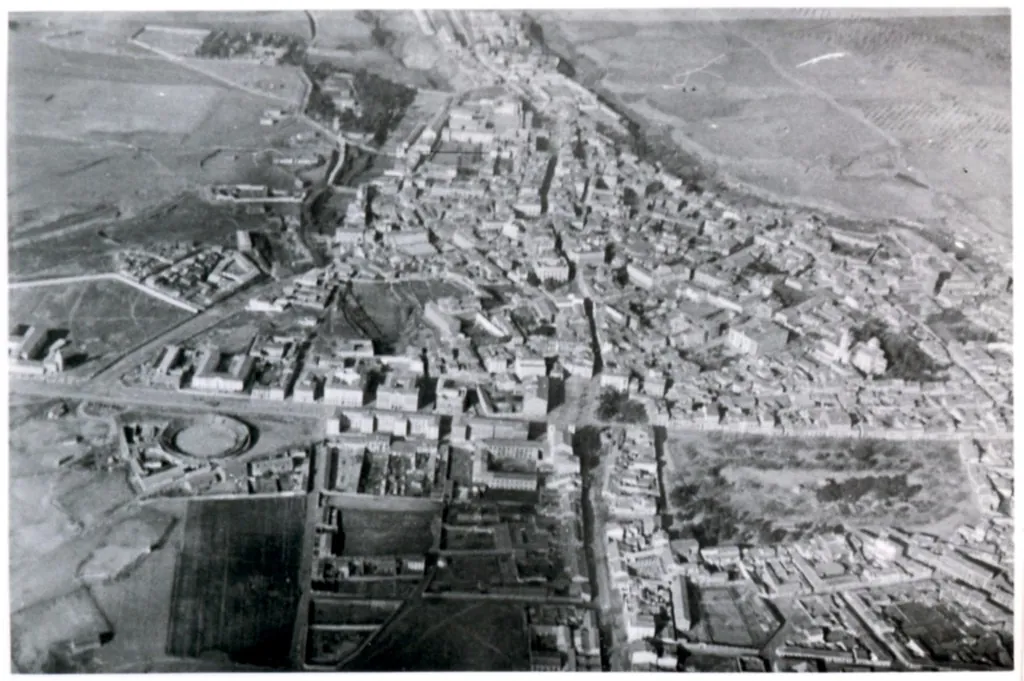
Barajas de Melo sits in the Cuenca side of La Alcarria, on a low hill at around 700 metres above sea level. It has roughly a thousand residents today, and daily life remains closely tied to nearby towns such as Tarancón and the city of Cuenca, where part of the population works. Even so, the centre of the village still revolves around the main square and the parish church, much as it does in many agricultural communities across the region.
The surrounding landscape fits neatly into the wider character of La Alcarria. There are gentle rolling hills given over to cereal crops, scattered olive groves and the occasional ravine that appears as you move away from the built-up area. The writer Camilo José Cela passed through these lands in the mid-20th century during his well-known journey across La Alcarria, and in many ways the setting has not changed dramatically since then. Secondary roads, small settlements and a farming horizon continue to define the rhythm of the seasons.
Stone, space and working houses
The main reference point in the village is the parish church of San Pedro Apóstol. The building appears to be the result of several construction phases, something quite typical in this part of Spain, with later alterations layered over an older base. Its tower rises above the surrounding rooftops and acts as a clear point of orientation from different approaches to the village.
Around the church and the square, a number of traditional houses remain. They are built with masonry walls, often reinforced with dressed stone around doorways and corners. Some feature iron balconies and wide entrances, designed either for carts or for the agricultural work that for centuries took place within the village itself. Inside, interior courtyards still reveal wells, animal pens and auxiliary spaces that reflect a way of life where domestic and productive uses were closely intertwined.
In a few spots, carved stone coats of arms can be seen. They are not especially numerous, but they hint at the presence of minor noble families, something that was relatively common in many Castilian villages during the Early Modern period.
Just beyond the edge of the village, old threshing floors can still be found. These were once used to separate grain from chaff. They are not immediately striking features, yet they help explain how agricultural work was organised before mechanisation transformed these processes.
Paths across open country
Several rural routes leave Barajas de Melo and connect it with nearby settlements. These are agricultural tracks and minor roads that cross open fields and occasional patches of pine woodland. The terrain is moderate, with long, steady climbs rather than steep gradients.
Anyone exploring these paths on foot or by bicycle will quickly notice how little shade there is along much of the way. In summer, the heat can be intense, which is typical of the interior of La Alcarria, so distances need to be judged carefully and water is essential.
The landscape shifts noticeably with the seasons. Spring brings green cereal fields that soften the contours of the land. By late summer, the tones turn drier and the undulating shape of the plateau becomes more visible. These changes are part of what defines the experience of moving through this area.
Flavours of Cuenca and La Alcarria
Local cooking follows the broader culinary traditions of the province of Cuenca and La Alcarria. It is a cuisine rooted in rural work, with filling dishes that reflect the demands of life in the fields. Migas appear frequently, along with roasted lamb and various preparations of small game.
Morteruelo is also typical. This is a thick meat paste closely associated with Cuenca’s gastronomy and remains a recognisable part of local food culture.
During the colder months, spoon-based dishes such as stews become more prominent, alongside gachas, a hearty preparation made from flour. Across much of the region, honey from La Alcarria is a common ingredient in local pantries, sourced from beehives spread throughout the territory.
In autumn, nearby areas attract those interested in gathering wild mushrooms, particularly níscalos and setas de cardo. Knowledge of edible species is important, and local regulations should be checked before collecting.
Festive rhythms and everyday life
The village calendar remains closely linked to religious celebrations and to the seasonal return of residents who live elsewhere during the year. The feast of San Pedro, held at the end of June, typically combines religious observances with community activities.
August brings the main festivities, when the population temporarily increases and there is a noticeable rise in activity on the streets. These moments mark a contrast with the quieter periods of the year and reflect a pattern seen in many rural areas where people return during the summer.
A place to understand, not to rush
Barajas de Melo can be explored easily on a relaxed walk. The interest lies less in ticking off monuments and more in understanding how the village is organised and how it relates to its surroundings. The layout around the square and church, the traditional houses, and the traces of agricultural life all contribute to this picture.
It is also worth heading out along the tracks that lead into the surrounding countryside. From there, the type of agriculture that has shaped local life for generations becomes clearer, as does the broader character of La Alcarria itself.