Full Article
about Canalejas del Arroyo
Alcarrian village with well-preserved traditional architecture; peaceful atmosphere
Ocultar artículo Leer artículo completo
The church bell strikes noon, yet nobody appears. Not a single shop door opens, no lunch-time rush, no mobiles trilling. At 800 metres above sea level, Canalejas del Arroyo keeps its own timetable: the grain ripens when it ripens, the arroyos run when it rains, and the 168 registered residents turn up for coffee whenever they feel like it. For British visitors fresh off the M25’s orchestral fury, the effect is almost medicinal.
A Plateau That Forgot the 21st Century
The village sits on the northern lip of La Alcarria, a high, wind-scoured tableland halfway between Madrid and Valencia. Drive east from Cuenca along the N-320 for 75 minutes and you drop off the motorway into rolling seas of wheat and lavender that look suspiciously like Norfolk until you notice the quejigo oaks and the lack of hedgerows. Winter arrives early here—night frosts can begin in late October—and summer lingers well into September, pushing 35 °C by day while the altitude keeps nights mercifully cool. Pack layers; a May morning can start at 6 °C and finish with sunburn.
Road access is straightforward if you have wheels. There is no railway, no weekday bus, and the nearest car-hire desk is back at Cuenca train station. From Heathrow you’re looking at a 2-hour flight to Madrid, 1-hour AVE to Cuenca, then the hire-car shuffle. Total journey door-to-door: roughly six hours, or the same time it takes to reach most of the Dordogne, only with half the traffic and a tenth of the English accents.
Stone, Whitewash and the Smell of Thyme
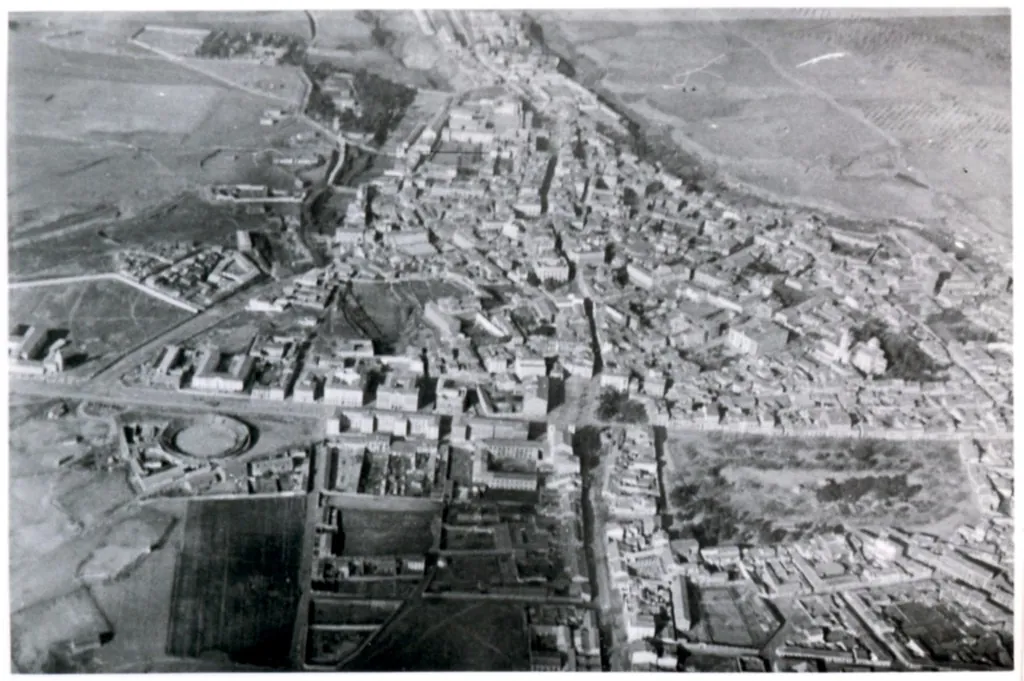
Guidebooks like their star attractions; Canalejas offers none. What it does have is a complete, intact 19th-century street plan built from whatever lay on the ground—mostly granite rubble and sun-bleached limestone. Houses are low, roofs are Roman tile, and every third doorway still has the iron latch a blacksmith hammered out in 1893. Walk Calle Real at siesta time and the only sound is the soft tick of cooling stone.
The parish church of San Pedro keeps watch from the highest point. It is not cathedralesque, nor even particularly ancient (much of it was rebuilt after a roof collapse in 1901), but the brick belfry is the landmark locals use to navigate home after dark. Step inside and you’ll find a single nave, a Christ figure in walnut, and the smell of beeswax polish that British churches lost sometime around the Reformation. Mass is Sunday at 11:30; visitors are welcomed, but the priest still announces the hymns in the confidence that everyone knows the tune.
Outside, three signed footpaths radiate into the cereals. The shortest, a 4-kilometre loop to the abandoned threshing floors, takes 75 minutes and delivers wide-screen views over the sickle-shaped valley of the Arroyo de la Vega. Spring brings purple flashes of Languedoc lavender planted for oil; late July turns the landscape the colour of digestive biscuits. Take water—there are no pubs en route—and remember mobile coverage vanishes after the first ridge.
Food That Doesn’t Travel
Canalejas itself has one bar, one village shop selling tinned tuna and courgettes, and a bakery counter that opens unpredictably. Serious eating happens 12 kilometres away in Campillo de Altobuey, where Casa Cañada does a respectable four-course menú del día for €14, including half a bottle of La Mancha tempranillo. Closer to home, the Saturday market in Priego (20 minutes by car) stocks local honey stamped with the Alcarria D.O.—thicker, darker and less floral than most Suffolk varieties, brilliant on toast or in Greek yoghurt.
If you are self-catering, the nearest supermarket is the Mercadona in Tarancón, a 25-minute drive north. Lamb is outstanding here: small, milk-fed Segureño that appears on every autumn grill. Ask for “paletilla” (shoulder) and expect to pay around €12 a kilo, roughly two-thirds of U.K. farm-shop prices. Vegetarians face slimmer pickings; this is sheep-and-grain country, and even the lentils arrive dried.
When the Village Remembers How to Party
The fiesta mayor kicks off on 15 August. The population quadruples as grandchildren, second cousins and the merely curious roll up from Madrid in overheated Clios. The programme is reassuringly low-tech: a foam party for toddlers, sack races, a parish raffle whose top prize is a ham. At midnight the plaza fills with plastic chairs and a local DJ who believes 1990s Eurodance is due a revival. Bring earplugs if you retire early; the music stops when the generator fuel runs out.
September offers the Fiesta de la Miel, essentially a giant tasting stall under the plane trees. Producers bring dark chestnut honey from the mountain slopes and pale milflores from the plateau; both travel well in hold luggage if you pad the jars inside hiking socks. Entrance is free, though you are expected to buy something, even if it is only a €4 beeswax candle.
Staying the Night
Accommodation inside the village limits amounts to a single four-bedroom villa, Casa Rural La Alcarria, restored in 2018 with under-floor heating and a biomass boiler. It sleeps 22, which makes financial sense only if you arrive with friends; shoulder-season rates hover round €250 a night for the whole house, dropping to €180 in January when the wind whistles straight off the Meseta. Otherwise, the nearest hotels cluster in the Roman-founded spa town of Segóbriga (30 minutes), where the three-star Sercotel offers doubles from €65, including access to thermal pools thick with sulphur—think Harrogate, but warmer.
The Catch
Honesty demands admission of the drawbacks. English is rarely spoken; rust-coloured Spanish—or Google Translate—helps enormously. From November to March the temperature can sink to –8 °C at night; snow blocks the mountain passes two or three times each winter, and the council only owns one plough. In July and August the village water supply occasionally falters under holiday demand, meaning showers become brief and tactical. Finally, nightlife is what you bring with you; if you crave cocktails and club beats, aim for Cuenca’s Casco Antiguo instead.
Heading Home
Canalejas del Arroyo will not change your life, but it might recalibrate your sense of scale. By the second silent evening you begin to notice how loudly sheep chew, how quickly the Milky Way rises, how little conversation depends on filling every pause. The village offers no souvenir stalls because it is not selling anything; it is simply continuing, day by day, at 800 metres above the Mediterranean, waiting for the grain to ripen and the arroyos to run. Turn up, walk the stone streets, taste the honey, and leave before the fiesta ends—unless you fancy explaining to a Madrid accountant why you’re dancing to 2 Unlimited at two in the morning.