Full Article
about Canredondo
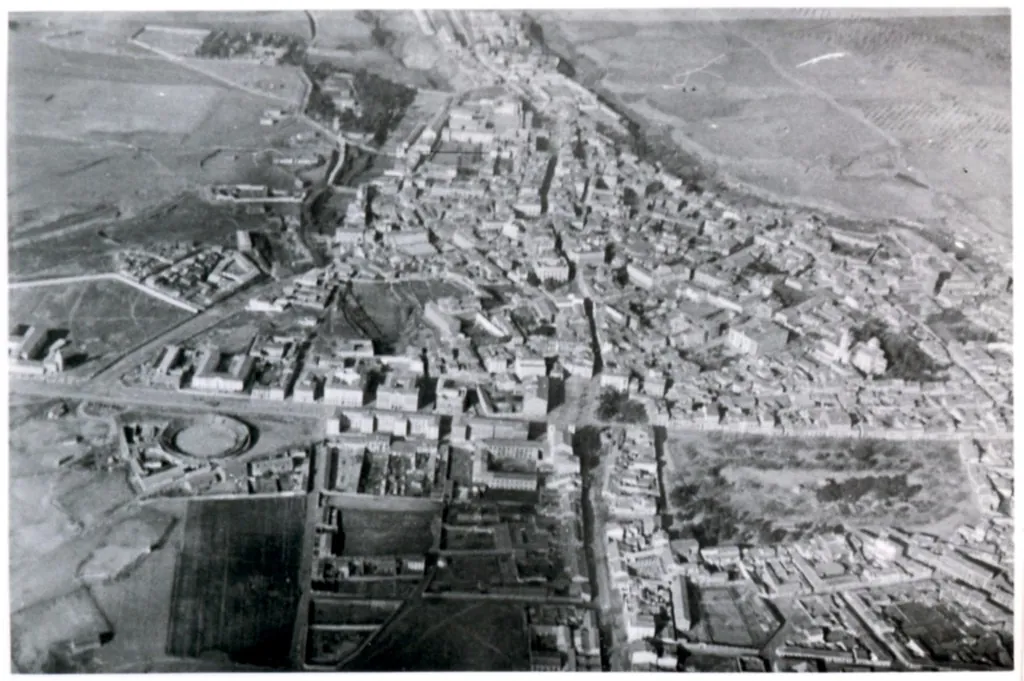
Hilltop village with a church visible from afar; surrounded by cereal fields.
Hide article Read full article
Canredondo en la llanura
Canredondo se encuentra en uno de los sectores más elevados y expuestos de la Alcarria, a unos 1.160 metros sobre el nivel del mar. La altitud y la geografía marcan el carácter del lugar. El pueblo, que hoy no llega al centenar de habitantes, ocupa una posición septentrional dentro de la comarca.
El paisaje es el de la llanura cerealista. Campos abiertos se extienden hasta donde alcanza la vista, interrumpidos por alguna encina aislada o un matorral de jara. La sensación es de amplitud y de horizontes lejanos. Los caminos de acceso atraviesan kilómetros de este terreno antes de llegar a las primeras casas, un patrón común en la Alcarria alta, donde los núcleos se fundaron con mucha distancia entre ellos.
La arquitectura del páramo
El clima de la meseta, con inviernos largos y veranos secos, determinó la construcción. Se ven muros gruesos de piedra o adobe, ventanas pequeñas y tejados de teja árabe. El trazado del pueblo es sencillo: unas pocas calles, algunas en ligera pendiente, se agrupan alrededor de un núcleo central. No hay un plano complejo; el crecimiento siguió la topografía y las necesidades de quienes vivían aquí.
Desde la Calle Mayor y sus inmediaciones, la vista se abre a la llanura alcarreña. El color del campo cambia con las estaciones, del verde de primavera al oro del cereal maduro en verano. Las encinas y enebros no forman bosque, sino que aparecen dispersos, a menudo señalando lindes o un cambio en la calidad de la tierra.
La iglesia y los detalles
La iglesia parroquial de la Asunción ocupa el centro. Su origen se suele situar en el siglo XVI, aunque con reformas posteriores. Su arquitectura es sobria, como corresponde a muchas iglesias de la comarca. Durante siglos ha funcionado como punto principal de reunión de la comunidad, un papel que mantiene en las celebraciones locales.
Un paseo por las calles muestra elementos de la arquitectura rural alcarreña: portones de madera que dan a patios interiores, chimeneas altas sobre los tejados. En algunos muros se aprecian reparaciones hechas con materiales distintos, un registro visible de cómo las casas se han adaptado con el tiempo en lugar de ser sustituidas.
El paisaje alrededor
El campo que rodea Canredondo explica el uso histórico del territorio. La llanura está casi despejada, con muy pocos obstáculos para la vista. Entre los campos, linderos de piedra seca marcan las parcelas y los caminos agrícolas las conectan.
En algunas hondonadas se conservan fuentes y alguna caseta de pastores. Estas estructuras modestas hablan de un pasado en el que la ganadería complementaba al cultivo del cereal. No son monumentos, sino parte de un paisaje productivo que ha evolucionado con los siglos.
Varios caminos rurales parten del pueblo. No están señalizados como rutas, pero se mantienen en uso para llegar a las tierras o a las zonas de pasto. Algunos siguen trazas que ya aparecen en mapas históricos de la región, lo que sugiere la antigüedad de estos recorridos.
Comida y ritmos anuales
La cocina tradicional aquí responde a lo que da la tierra. Son frecuentes los platos de cuchara para el invierno y las preparaciones con cordero. La miel de la comarca también forma parte de la cultura local.
No suele haber servicio permanente de restauración en el pueblo, por lo que conviene planificar la visita o hacer una parada en alguna localidad cercana. Este detalle encaja con el carácter general del lugar, donde la vida diaria sigue vinculada a los ritmos locales más que a una infraestructura turística.
Las fiestas siguen un patrón similar. Las principales son en torno a la Virgen de la Asunción, normalmente en agosto. Entonces la población crece durante unos días con quienes regresan. La Semana Santa se vive con sencillez, con actos religiosos y reuniones familiares. La Navidad trae una atmósfera parecida, con muchos volviendo temporalmente a las casas familiares.
Una visita sin prisa
Los accesos a Canredondo son carreteras secundarias que cruzan un terreno muy abierto, donde el tiempo invernal puede cambiar con rapidez. El pueblo se recorre en poco tiempo.
Lo que permanece no es una lista larga de monumentos, sino la relación entre el núcleo y su entorno. Casas, campos y caminos reflejan una adaptación a un medio exigente. La escala del paisaje, la sequedad del aire y el silencio que trae la distancia definen la experiencia.
Aquí la Alcarria se muestra sin adornos: ancha, austera y callada.