Full Article
about Castejón
Alcarrian village overlooking the valley; it keeps the charm of small towns.
Hide article Read full article
Castejón: un pueblo de la Alcarria Alta
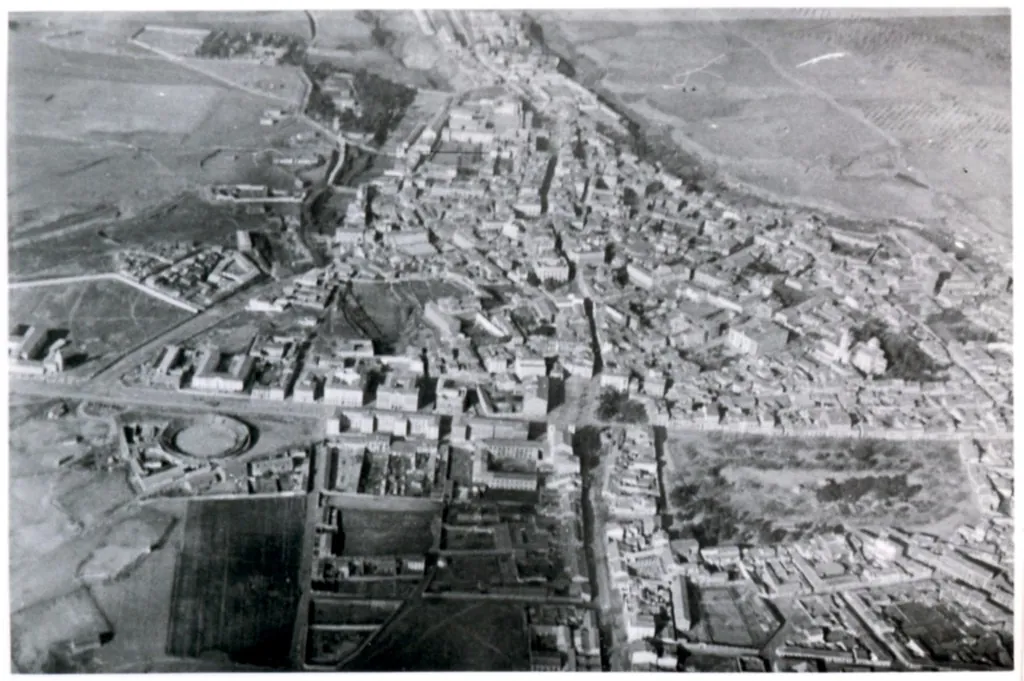
Castejón se encuentra en la llanura elevada de la provincia de Cuenca, a unos 800 metros sobre el nivel del mar. Pertenece a la comarca de La Alcarria, una región histórica definida por el cultivo extensivo de cereal. El pueblo tiene poco más de un centenar de habitantes y su trazado, de calles rectas y manzanas regulares, responde a la lógica de los asentamientos agrícolas del interior.
La arquitectura es funcional. Las casas se construyeron con los materiales que ofrecía el terreno: mampostería de piedra caliza, adobe y paredes encaladas. No hay ornamentos. El diseño priorizaba la utilidad: portales amplios para el paso de carros, corrales traseros y dependencias anexas para guardar herramientas o albergar animales. Este esquema, común en toda la Alcarria, aún se lee con claridad en muchas viviendas.
El paisaje del cereal
El territorio alrededor de Castejón es una meseta abierta, interrumpida por suaves barrancos. Aquí el paisaje lo marcan los campos de secano, principalmente de trigo y cebada. El color cambia con las estaciones: verde intenso en primavera, dorado pálido antes de la siega. Es un paisaje de horizontes largos, donde la actividad es sosegada y persistente.
Por los caminos rurales es frecuente ver cernícalos suspendidos en el aire o aguiluchos volando bajo sobre los rastrojos. Las encinas aparecen dispersas, a veces formando setos vivos entre parcelas. La sensación dominante es de espacio y quietud, rota solo por el viento que recorre la llanura.
La iglesia de Santa María Magdalena
La iglesia parroquial de Santa María Magdalena ocupa una posición central en el pueblo. El edificio actual es del siglo XVI, aunque con reformas posteriores. Su arquitectura es sobria: muros de mampostería, una torre sencilla rematada con teja árabe. No busca la monumentalidad.
En el interior se conserva un retablo barroco del siglo XVIII, de madera policromada. No es una obra de gran talla, pero sí un testimonio material de la vida parroquial durante siglos. En un núcleo de este tamaño, la iglesia ha funcionado tradicionalmente como uno de los pocos espacios comunitarios, lugar de bautizos, bodas y festividades locales.
Calles, eras y corrales
Para entender Castejón conviene recorrerlo a pie, sin prisa. Lo que define el pueblo no son monumentos aislados, sino su tejido cotidiano. En las afueras se ven aún algunas eras circulares de piedra, donde se trillaba el grano. También quedan pequeños apriscos de mampostería y muros de piedra seca que delimitaban las propiedades.
La plaza es modesta, sin pretensiones ornamentales. Cumple su función como lugar de encuentro ocasional. La vida pública aquí se basa más en la conversación y los ritmos diarios que en la espectacularidad arquitectónica.
Pasear por Castejón consiste en observar texturas: la rugosidad de la piedra, el blanco de la cal contra el ocre de la tierra, la línea recta de las calles bajo un cielo amplio.
Caminos del páramo
Varios caminos agrícolas salen del pueblo hacia el campo. No están señalizados como rutas turísticas, pero pueden recorrerse a pie o en bicicleta. Son vías funcionales, creadas para labores del campo, que permiten comprender la lógica del territorio: parcelas rectangulares, suaves elevaciones del terreno, horizontes despejados.
Hacia el oeste, el terreno desciende lentamente hacia el valle del Tajo, aunque el río queda lejos. Lo que impresiona desde los puntos altos no es un hito concreto, sino la amplitud visual.
El silencio es una característica notable. Lejos de carreteras principales, solo se escucha el viento en la meseta y, en temporada, el sonido lejano de la maquinaria agrícola. La escala real del paisaje se aprecia mejor a medida que uno se aleja del casco urbano.
Cuestiones prácticas
Castejón es un pueblo pequeño, con servicios muy limitados. No suele haber comercios o bares con horario continuado, por lo que es recomendable llevar agua y algo de comida, o planificar la visita desde municipios cercanos mejor dotados.
Se accede por carreteras locales que lo conectan con pueblos vecinos. La visita al núcleo urbano puede hacerse con calma en una hora. Si se quiere caminar por los alrededores, conviene calzado adecuado para pistas de tierra y protección contra el sol, pues la sombra es escasa.
Castejón no es un destino de grandes atracciones. Es, más bien, un ejemplo claro de cómo se vive en la Alcarria rural: un asentamiento marcado por el cereal, la arquitectura sin alardes y la presencia constante de la llanura.