Full Article
about Castilforte
Town with a history of fortifications; traditional cave-cellars
Hide article Read full article
Castilforte, o cuando el GPS sugiere 'recalcular ruta'
Hay sitios a los que vas. Y luego está Castilforte, ese lugar al que llegas casi por descarte, cuando te cansas de la carretera principal y piensas "vamos a ver qué hay por aquí". Es de esos pueblos que no son un destino, sino una consecuencia. Un municipio de La Alcarria con cincuenta y tantos habitantes, que es como decir que en un partido de fútbol entre vecinos sobrarían suplentes.
El viaje ya te va poniendo en situación. Tras Guadalajara, las carreteras se van haciendo más estrechas y los coches más escasos. Aparcar no es un problema; básicamente, donde quieras. Y entonces llega el primer impacto: el silencio. No un silencio de postal, sino ese silencio práctico y real que solo se rompe con el ladrido lejano de un perro o el crujir de una puerta de madera.
Un pueblo sin pretensiones (ni falta que le hace)
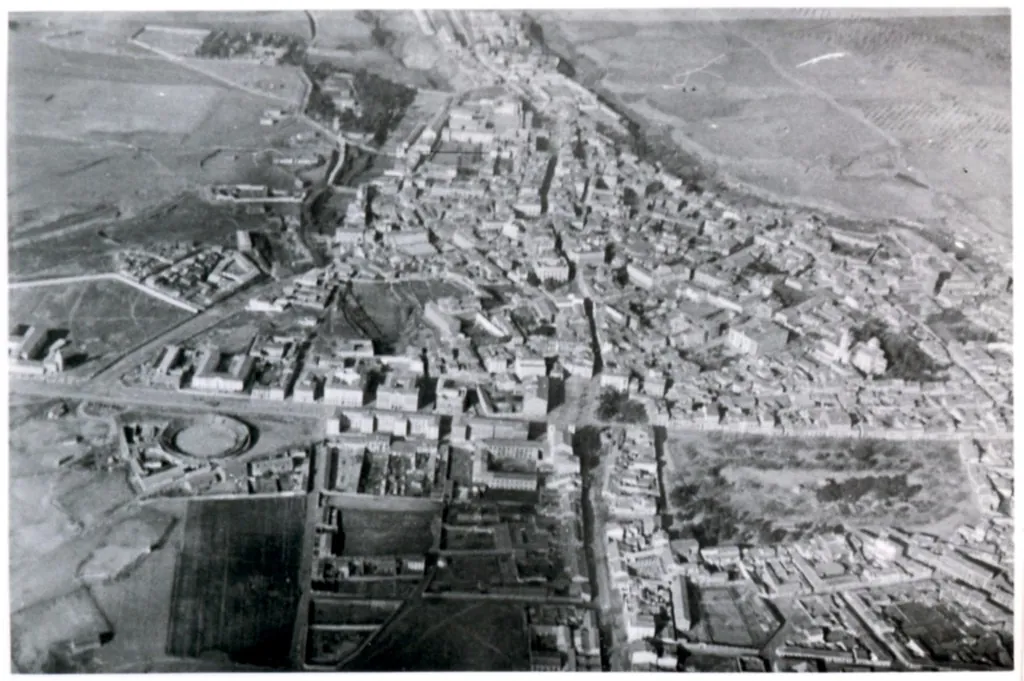
Olvídate de monumentos señeros o museos con taquilla. Castilforte es un conjunto compacto de casas de piedra, calles cortas y una plaza que hace las veces de salón los días que toca. La iglesia de la Asunción es el edificio más visible, la típica iglesia de pueblo que marca el ritmo dominical y poco más.
La gracia está en lo cotidiano: una pared de mampostería vista, un pasillo entre casas donde no caben dos coches, una puerta desgastada por el viento. No es un museo al aire libre; es simplemente cómo se ha construido aquí desde siempre.
La verdadera razón para venir: salir a andar
Si vienes a Castilforte y no calzas unas zapatillas, te estás perdiendo lo mejor. El entorno es La Alcarria pura: barrancos secos, lomas con encinas desperdigadas y ese manto bajo de tomillo y romero que huele a campo cuando pega el sol.
Hay senderos antiguos, más intuidos que señalizados, que conectaban con los pueblos vecinos. Seguirlos hoy no requiere condición física olímpica, pero sí sentido común: agua, gorra y algo para picar. No vas a encontrar miradores con barandilla; el paisaje se ve desde dentro, caminando por él. Con suerte, verás algún buitre planear sobre los cortados. Lo seguro es esa sensación de amplitud tan rara ya en media España.
Comer y otros asuntos prácticos
Vamos a ser claros: Castilforte no es un pueblo para ir a tapear. No hay bares con terraza ni tiendas de souvenirs. La estrategia suele ser aprovisionarse en algún pueblo cercano más grande y traerte tu propio picnic.
La cocina por aquí es la de toda la comarca: migas pastoriles, cordero asado, queso curado y esa miel oscura y espesa por la que es famosa La Alcarria. Lo disfrutas mejor sentado en una piedra al borde del camino que en ningún restaurante con mantel.
El verano (cuando el pueblo despierta)
Durante gran parte del año, la vida aquí tiene la calma del invierno alcarreño. Pero llega agosto y se produce el milagro demográfico: vuelven los hijos y nietos del pueblo. De repente, hay coches aparcados donde antes solo había hierba, se ponen mesas en la plaza y las cenas se alargan hasta que refresca.
Se celebran algunas fiestas tradicionales, pero no son espectáculos para foráneos; son ritmos locales mantenidos por inercia familiar. Es curioso ver esa transformación: la misma plaza vacía en abril se llena de voces en agosto para luego volver a vaciarse en septiembre.
Cómo llegar (y sobre todo, por qué)
Desde Guadalajara, tomas carretera hacia el sureste, rumbo a esa zona donde Guadalajara ya mira a Cuenca. El trayecto es sencillo pero solitario; cada vez hay menos tráfico hasta que solo queda el paisaje.
Castilforte aparece así, sin aspavientos: pequeño discreto e integrado en el terreno como una roca más No compite con nadie Simplemente está ahí recordándote que todavía quedan rincones donde lo excepcional es precisamente lo normal