Full Article
about El Valle de Altomira
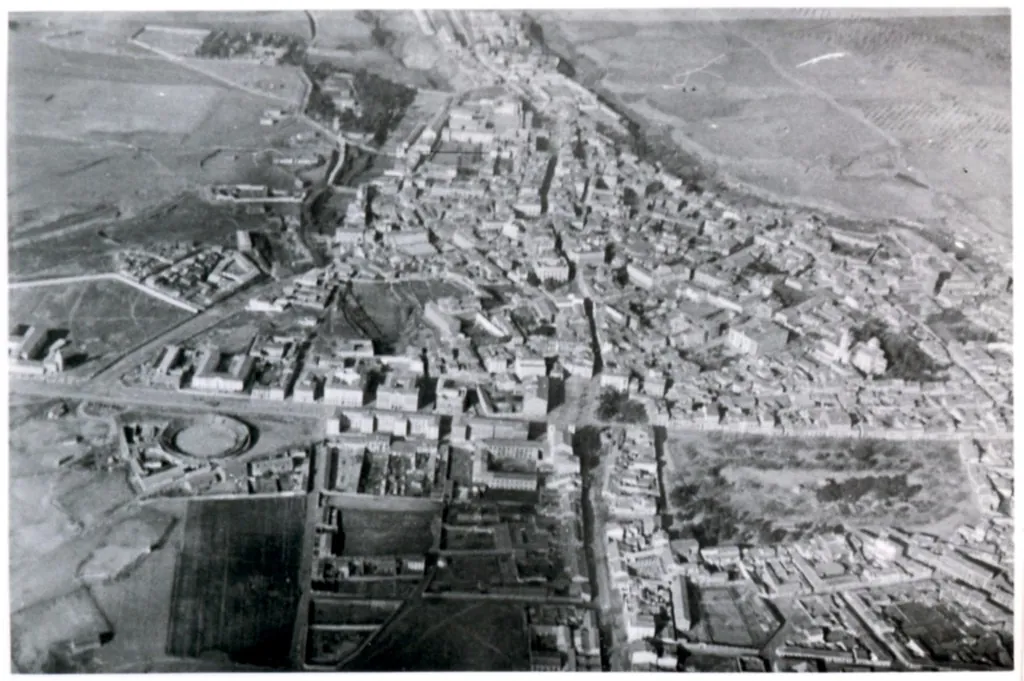
Municipality made up of Garcinarro, El Vallecillo, Huelves, Valdemoro and Altomira. Altomira sits on a hilltop overlooking the Júcar gorge; the other villages lie on the plain. Altomira’s church is dedicated to the Virgen de la Estrella; Huelves’ to San Bartolomé; Garcinarro’s to San Pedro; Valdemoro’s to Nuestra Señora de la Asunción; El Vallecillo’s to San Roque. The main festival is held on the last weekend of May.
Hide article Read full article
Getting there and first impressions
Tourism in El Valle de Altomira starts with the basics. Reaching the village is straightforward enough, although the final stretch follows narrow secondary roads. It makes sense to take it slowly. There are no large car parks once you arrive. Most visitors leave the car in a widened section of the street or somewhere near the main square. In summer, especially by mid-morning, it may take a bit of circling to find a space.
The municipality itself is small. Only a handful of residents live here year-round. August brings a noticeable change, when families who keep houses in the village return and the streets feel a little more active.
Parking and getting around
Once the car is parked, everything can be covered on foot in a short time. The streets are brief and fairly straight, and there is no real traffic to speak of. There is also no need to move the car again during a visit.
The entrances to the village are simple. Low houses line the approach, many of them closed for much of the year. Visitors should not expect tourist signage or explanatory panels. The place presents itself without interpretation or direction.
The village itself
El Valle de Altomira has a compact centre. The buildings are modest, with stone or rendered brick walls and straightforward tiled roofs. Quite a few of these properties serve as second homes rather than permanent residences.
The parish church stands in the main square. It is an old structure that has been altered several times over the years. Beyond that, there is little in the way of built heritage. A short walk is enough to understand the layout and character of the village.
Life here moves slowly. You may see a neighbour out in the street, but little else happens on a typical day. Anyone looking for monuments or organised activities will not find them here. The appeal lies elsewhere.
Paths and the landscape of La Alcarria
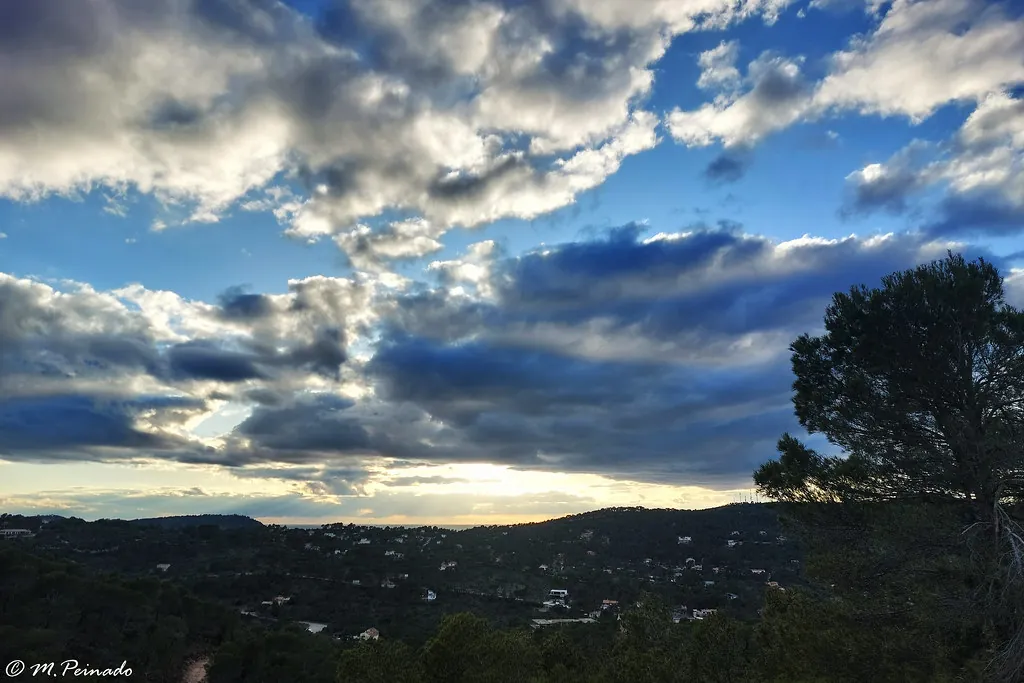
The surroundings are where El Valle de Altomira becomes more interesting. The landscape is typical of La Alcarria, a region in central Spain known for its open terrain. Fields of cereal crops stretch out across the land, broken up by patches of holm oak and low scrub. The horizon feels distant and uninterrupted.
Several agricultural tracks lead out from the village towards nearby settlements. Some of these paths have simple markings or basic signs. Others are just dirt tracks running between farmland. They can be explored on foot or by bike, though there are stretches without shade. The sun can be intense in summer, and there is little shelter once you leave the built area.
Birdlife is one of the few signs of movement in this quiet setting. Vultures can sometimes be seen circling above the fields and rocky edges, riding the air currents. Other birds of prey common to the area also appear from time to time. Anyone interested in birdwatching should bring binoculars and be prepared to wait.
Festivities and daily life
Local festivals usually take place in August, when the population increases slightly. These celebrations are simple and centred on the community. They typically include a mass, a procession and a handful of activities designed for residents and the families who return during those days.
For the rest of the year, life remains calm. Agriculture shapes daily routines. There may also be occasional hunting days during the season, but otherwise there is very little activity.
A place to visit with clear expectations
El Valle de Altomira does not offer major landmarks or developed tourist infrastructure. It is a small village in La Alcarria that can be seen in a short visit. That is part of its character.
A visit makes more sense for the surrounding landscape than for the village itself. Walking along the rural paths and taking in the wide, open views gives a better sense of the area. Early morning or late afternoon tends to be more comfortable, especially in the hotter months. The sun here is strong and constant, and there is little protection from it once you step beyond the streets.