Full Article
about Fuentenovilla
Town with a Renaissance pillory and a well-planned layout; near Mondéjar
Hide article Read full article
Some villages reveal themselves quickly. You pull over, wander around once, and feel you have the measure of the place. Fuentenovilla does not work like that. At first glance it can seem like just another settlement in La Alcarria, the rural region of rolling farmland in the province of Guadalajara. Walk a few minutes more, sit for a while in the square, and the rhythm begins to shift. Slower. Like stepping into a house where no one is in a hurry.
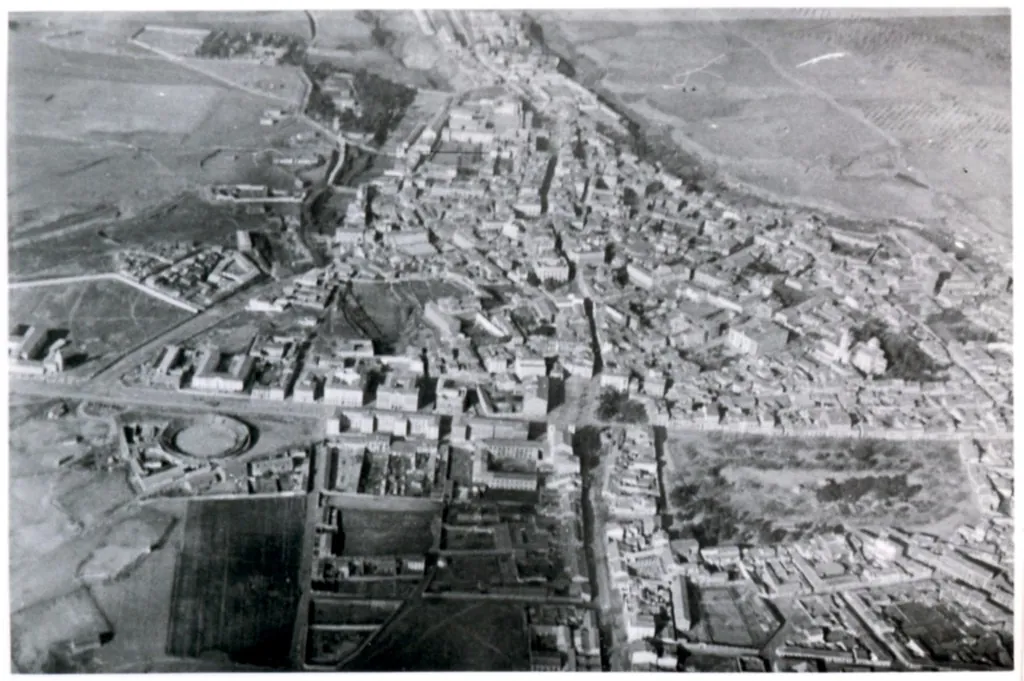
With just over six hundred residents, Fuentenovilla sits largely outside the usual tourist circuits of the comarca. There are no flashy signs, no carefully staged routes designed for a photograph every twenty metres. What you find instead is a village that still functions as a village: neighbours greeting each other, cars parked beside old wooden gates, and the sense that the weeks are still organised around long‑established routines.
The Square and the Village Heart
Start walking without much of a plan and sooner or later you will reach the plaza. That is true in many Castilian villages, but here it feels especially clear. Stone paving underfoot, benches set out in the open, façades enclosing the space on all sides. It forms a natural meeting point.
At certain times of day, almost nothing happens. That is precisely why it is worth staying a while. A neighbour crossing the square, someone stepping out to buy bread, a conversation that stretches on longer than expected. Small scenes like these explain more about a place than any information panel ever could.
There is no need to rush on to the next sight. The square sets the tone for the rest of Fuentenovilla: unforced, practical, lived in.
The Church of the Asunción
The parish church of the Asunción is the building with the strongest visual presence in Fuentenovilla. Built in pale stone, its lines are sober and solid, with the feeling of a construction intended to last decades, even centuries.
This is not an ornate temple. Quite the opposite. It has that distinctly Castilian air of a robust church, raised with the materials at hand and designed to withstand serious winters. The architecture speaks of endurance rather than decoration.
Even without going inside, it is worth walking around it and viewing it from different streets. The changing angles reveal how it anchors the village, rising above the surrounding houses without overwhelming them.
Short Streets, Long Memories
The historic centre is compact. It can be covered in half an hour without effort, but it rewards a slower pace.
Houses combine stone and brick, with wooden gates that have seen more than a few winters. Many balconies retain wrought iron railings, and the eaves extend just far enough to offer shade from the summer sun. Behind some homes, small vegetable plots or former animal pens still appear, a reminder that life here has long been closely tied to the land.
It is the kind of place where a single façade suggests generations living under the same roof. Layers of paint, repaired stonework, an old doorbell beside a newer one. Details accumulate quietly.
There is no grand architectural ensemble to tick off. Instead, the interest lies in the continuity. Fuentenovilla feels shaped by everyday needs rather than by any desire to impress.
Walking Out into La Alcarria
Step beyond the last houses and the classic landscape of La Alcarria opens up. Gentle hills, cereal fields stretching out in wide bands, holm oaks scattered here and there. It is an agricultural setting, defined by open horizons and changing light.
Rural tracks leave the village in different directions and allow for uncomplicated walks. There is no need to treat it as a major hiking expedition. Sometimes it is enough to follow one of the paths leading out from the edge of the village and watch how the scenery shifts with the seasons.
In spring, the fields turn greener and the contrasts soften. As summer advances, the countryside becomes golden, and the colour against the sky feels characteristic of this part of central Spain. The land looks broader, more exposed.
For those interested in birdlife, the agricultural surroundings usually offer some movement. Larks rise from the fields, small birds of prey patrol above, and the occasional stork passes overhead. Nothing dramatic, but enough to accompany a quiet walk and encourage a slower look at the landscape.
What the Land Brings to the Table
The cooking in this area remains closely linked to what the land has provided for generations. Dishes are hearty, the sort that make sense after a long day outdoors or during a cold spell.
Lamb features regularly, as do migas, a traditional preparation based on breadcrumbs, and game stews. These are not elaborate plates but substantial, rooted in rural life. The ingredients reflect livestock, hunting and stored staples, shaped by the rhythms of the countryside.
Then there is the honey of La Alcarria. This region has a long beekeeping tradition, and honey has been part of the local economy for decades. It is one of those products that carries the identity of the area beyond its borders, closely associated with the fields and flowering plants that surround villages like Fuentenovilla.
Food here is less about novelty and more about continuity. Recipes endure because they fit the climate, the work and the available produce.
When to Come and How to Reach It
Fuentenovilla is reached by regional roads from different points in the province of Guadalajara. From Madrid or from the provincial capital, the journey usually takes a little over an hour, depending on the route chosen.
Spring and autumn tend to be the most pleasant seasons for walking in the surrounding countryside. In summer, the heat presses down at midday, as in much of La Alcarria, so it makes sense to set out early or leave walks until later in the afternoon.
The village festivities are generally concentrated in the summer months, when many residents who live elsewhere during the year return. The atmosphere changes noticeably during those days, and the streets fill with more movement and activity.
Fuentenovilla is not a place for ticking monuments off a list. It works better as a pause, a way to understand how many villages in La Alcarria function today. Short streets, open fields all around, and a life that continues without much noise. At times, that is precisely what appeals.