Full Article
about La Peraleja
Alcarrian village with caves and traditional architecture; set in a valley
Hide article Read full article
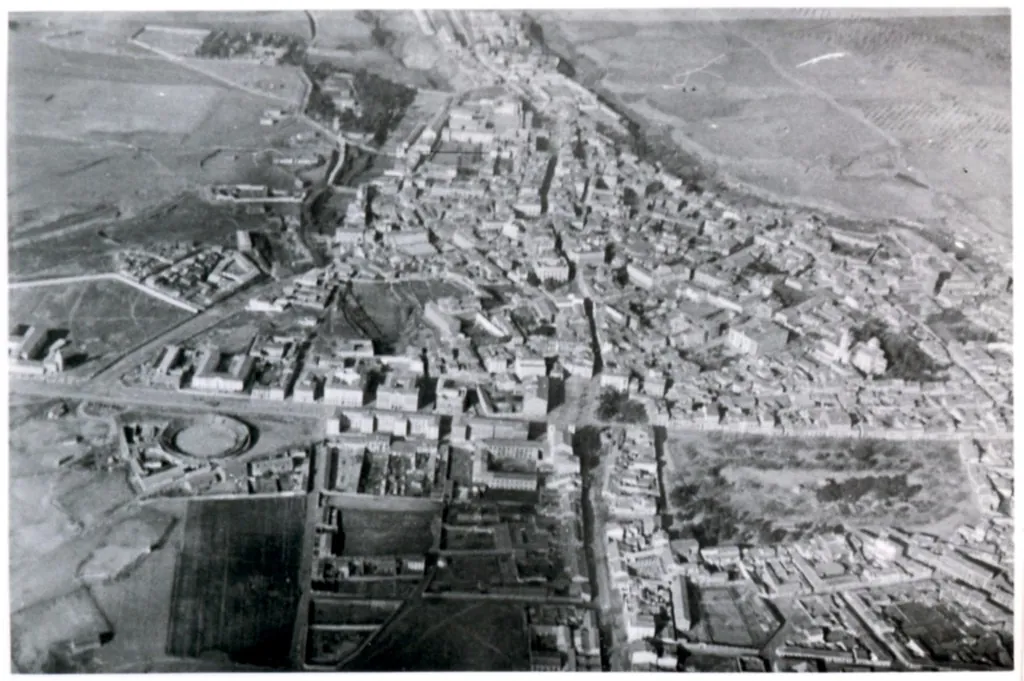
Early in the morning, before a single car passes through, the light falls flat across the fields that surround La Peraleja. When the cereal grows tall, it shifts like a soft surface pushed by the air that moves through the Alcarria. From the entrance to the village, the whole rise is visible: a small cluster of pale houses, old tiled roofs and short streets that climb and dip without much apparent logic.
La Peraleja lies in the heart of the Alcarria of Cuenca and gathers only a few dozen residents throughout the year. It is the kind of place where daily life centres on very few points: the church, an agricultural shed or two, open doorways when the weather is good. Beyond that, there is silence and open countryside on every side.
A Compact Settlement on the Hilltop
The houses are grouped tightly together, with no grand squares or broad avenues. Thick walls, wooden gates that have endured many winters, wrought iron grilles that in some cases still hold traces of old paint. Behind high boundary walls, small yards reveal animal pens and modest vegetable plots, sheltered from the wind.
The church of San Miguel presides over the village. It is not monumental in scale, yet it provides the point around which everything is organised. From here, several narrow streets slope away, and the echo of footsteps carries further than expected. When the bells ring, something that still happens for celebrations or funerals, the sound travels quickly out across the fields.
By mid-afternoon, the whitewashed façades reflect an intense light that makes it necessary to narrow the eyes. In winter the opposite occurs. The village falls into shade fairly early and the cold drifts down from the high plain above.
The Open Landscape of the Alcarria
Beyond the last houses, the countryside begins almost immediately. There is no gradual transition. Dirt tracks stretch out between long strips of cereal crops and patches of low scrub where thyme and rosemary grow. When the sun warms the ground, the scent rises clearly, especially after a brief shower of rain.
The terrain here is open and slightly harsh. There are no large forests and no nearby rivers. Instead, gentle hills and high plateaus repeat themselves in every direction. The wind is a constant presence. On clear days, the calls of birds circling overhead carry easily across the space.
It is common to see larks rising suddenly from the ground almost at the walker’s feet. Partridges move among the field edges and, from time to time, a bird of prey can be spotted gliding high above.
This is the wider landscape of the Alcarria, a historic region of central Spain known for its expanses of farmland and aromatic scrub. In La Peraleja, that setting is not a backdrop but the dominant feature of daily life.
Walking Without Signposted Routes
There are no marked trails in La Peraleja and no information panels explaining the surroundings. What exist instead are agricultural tracks that have linked fields and neighbouring villages of the Alcarria for decades.
They are easy enough to follow as long as the village remains in sight, although carrying water and having a basic sense of direction is advisable. In summer, the sun falls hard on these high plains and there is little shade to be found. The best time for a walk is usually early in the morning or as the day begins to cool towards evening.
After the harvest, at the end of summer, the landscape changes noticeably. The fields turn golden and the soil releases that dry, distinctive scent of freshly cut cereal. The wide views become even more pronounced, with stubble stretching towards the horizon and the village rising slightly above it.
Walking here is less about reaching a specific landmark and more about moving through open ground shaped by agriculture and weather. The rhythm is set by wind, light and the distant sound of machinery during working hours.
Alcarreña Cooking and Local Produce
The cooking associated with this area is traditional and substantial. Simple stews remain a staple. Small game, when the season allows, still appears on some family tables. Roast lamb is part of gatherings and celebrations.
Across the wider comarca, or county, miel de la Alcarria is one of the products most closely linked to the land. This honey, protected by a designation of origin, is known for its connection to the local flora. Its flavour varies depending on the year’s flowering, yet it consistently retains an aromatic note that recalls the low mountain plants of the surrounding scrubland.
Food here reflects the same conditions as the landscape: direct, shaped by what the fields and hills provide, and tied to the calendar of seasons.
When the Village Fills Again
For much of the year, La Peraleja remains very quiet. In summer, the population increases as families return to houses they continue to keep in the village.
The patron saint festivities dedicated to San Miguel are usually held in August. These are days of procession, music at night and long gatherings outdoors once the temperature drops. There are no large-scale stages or elaborate set-ups. Instead, simple open-air dances and improvised tables where people sit talking late into the night define the atmosphere.
The sound of bells, which during the rest of the year may be heard only occasionally, becomes part of a fuller soundscape of conversation and music. The streets that often lie still under the sun regain a sense of movement, if only for a short period.
Before Setting Off
La Peraleja is reached by secondary roads typical of the Alcarria, with gentle bends threading between open fields. It is sensible to arrive prepared and not expect many services once there.
For those wishing to see the village at its calmest, morning is usually the best time. Then the wind is still soft and the main sound is that of tractors heading out along the tracks. As the day advances, everything becomes quieter and the landscape settles into near stillness beneath the sun.
La Peraleja does not offer grand monuments or busy itineraries. What it provides instead is a clear expression of the Alcarria of Cuenca: a hilltop cluster of houses, a church named San Miguel, cereal fields shifting in the wind and a rhythm set by seasons rather than schedules.