Full Article
about Leganiel
Balcony of La Alcarria overlooking the Tajo; a picturesque village of narrow streets
Hide article Read full article
A Village Measured in Quiet Moments
On the edge of a small square, two dogs doze beneath a pine tree while, somewhere in the distance, a tractor moves slowly through fields of grain. The sound carries clearly across the open land. This is how a morning of tourism in Leganiel often begins.
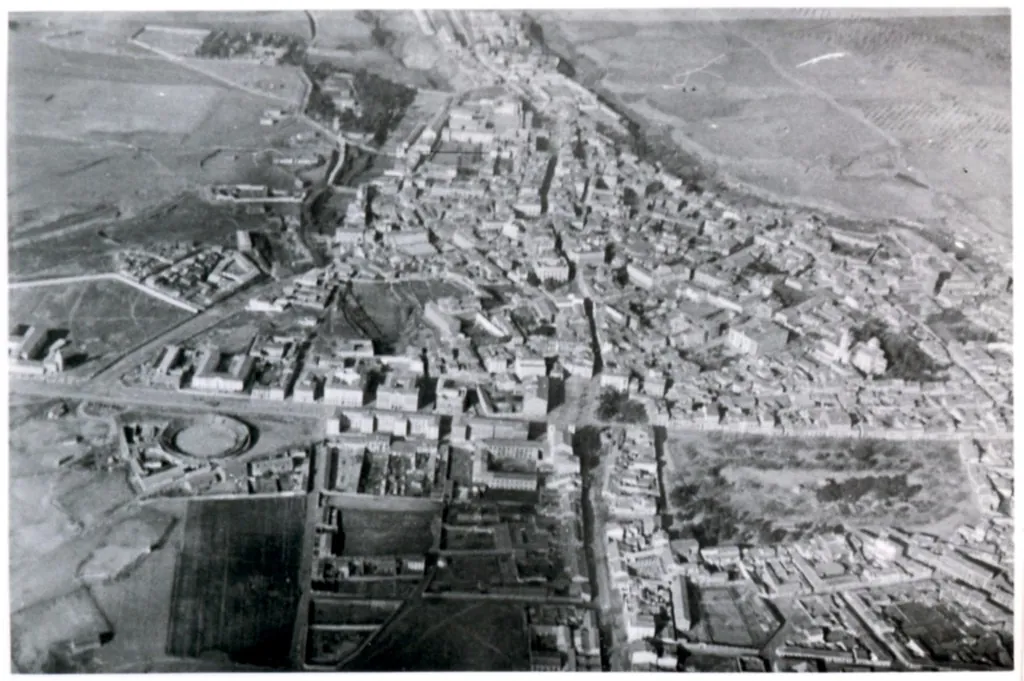
Leganiel is a small village in the province of Cuenca, in Castilla La Mancha, with around 220 residents. It stands at roughly 750 metres above sea level, in the part of La Alcarria where the landscape widens out and the wind always seems present. There are no major monuments and no visitor-focused infrastructure. What there is instead are a handful of quiet streets, masonry houses with whitewash worn by many winters, and a way of life still closely tied to the land.
At certain hours the village falls almost completely silent. Air moves through the olive trees and, in spring, the clear call of hoopoes carries across the fields. Life here follows a slower rhythm, shaped more by seasons than by schedules.
Views Across La Alcarria
The most visible building is the parish church of the Asunción. It does not stand out for its size or decoration, yet it forms part of the village’s daily rhythm. Its bells can be heard from the nearby threshing grounds, and the square beside it becomes a meeting point in the late afternoon, when the sun is less direct and neighbours gather for a while.
Walking through the streets, it quickly becomes clear how these houses were built. Thick walls, small windows and wooden gates open into interior courtyards. In some, traces of former animal pens or wine cellars dug into the earth can still be seen, reminders of a time when almost everything needed for daily life was produced here.
From any of the slightly higher points within the village centre, the landscape opens out. La Alcarria appears as a succession of gentle hills covered in cereal crops. In summer the colour turns dusty ochre. After rain, the soil darkens and the air smells heavier, more humid. The changes are subtle but constant, and they define the character of this part of Cuenca.
With a little patience, it is possible to spot birds of prey circling above the fields. The kestrel often hangs suspended in the air for a few seconds before dropping sharply. Occasionally, a booted eagle comes into view as well. There are no viewing platforms or information boards. The experience is simple: stand still and watch.
Walking the Agricultural Tracks
Several agricultural tracks leave the village and thread their way between cereal plots, scattered holm oaks and the occasional olive grove. These are not marked hiking routes but working paths used by local people for decades. Even so, they are easy to follow, as the terrain is generally flat.
In summer it is wise to set out early or later in the evening. Shade is scarce, and the heat in this part of Cuenca builds quickly from midday onwards. Carrying water may seem obvious, yet it makes all the difference here.
For those who enjoy noticing small details in rural landscapes, the surroundings reward close attention. Wooden fences curved by time, piles of stone marking former boundaries, freshly cut furrows in the soil. At certain times of day, the light falls harshly across the tracks and lifts a fine dust that lingers briefly in the air before settling again.
Leganiel is often visited as part of a wider route through other villages in La Alcarria of Cuenca. Distances between them are short, and the roads run through open countryside with long stretches where houses barely appear. The sense of space is constant.
Traditions That Continue
The patron saint festivities take place in summer, when many people with family roots here return to the village for a few days. During that period, the streets grow livelier. Simple processions move through the centre, tables are set up outside and music fills the square at night.
For the rest of the year, the agricultural calendar sets the pace. Harvest time, caring for sheep and tending olive groves remain part of everyday conversation, especially among older residents. Work linked to the land continues to shape both routine and identity.
Across La Alcarria, fairs connected to local produce are common, particularly those related to honey, which has long been associated with this region. In small places such as Leganiel, celebrations are usually more domestic in scale: gatherings among neighbours, an open-air dance when the heat subsides and people return to the streets in the evening.
Reaching Leganiel
Leganiel lies among secondary roads, surrounded by cultivated fields and long stretches where few houses break the horizon. The usual way to arrive is by car, as public transport in small villages like this tends to be very limited or absent.
It is advisable to bring what you need before entering the village if you plan to spend several hours in the area. For walks along the surrounding tracks, early morning or late afternoon is generally the best time. Then the wind moves through the wheat fields and the heat eases. In those hours, Leganiel settles back into the wide, unhurried silence that defines much of La Alcarria.