Full Article
about Pastrana
Historic ducal town; famous for the Princesa de Éboli and her palace.
Hide article Read full article
A small town with a long memory
Some towns you walk through quickly. Others slow you down without warning. Tourism in Pastrana falls firmly into the second category. You set off through the old quarter and, before long, you find yourself standing still, looking up at a carved coat of arms, an austere façade or a slightly crooked window that seems to belong to another century. A short stroll can turn into a stop‑start wander, your attention constantly drawn upwards.
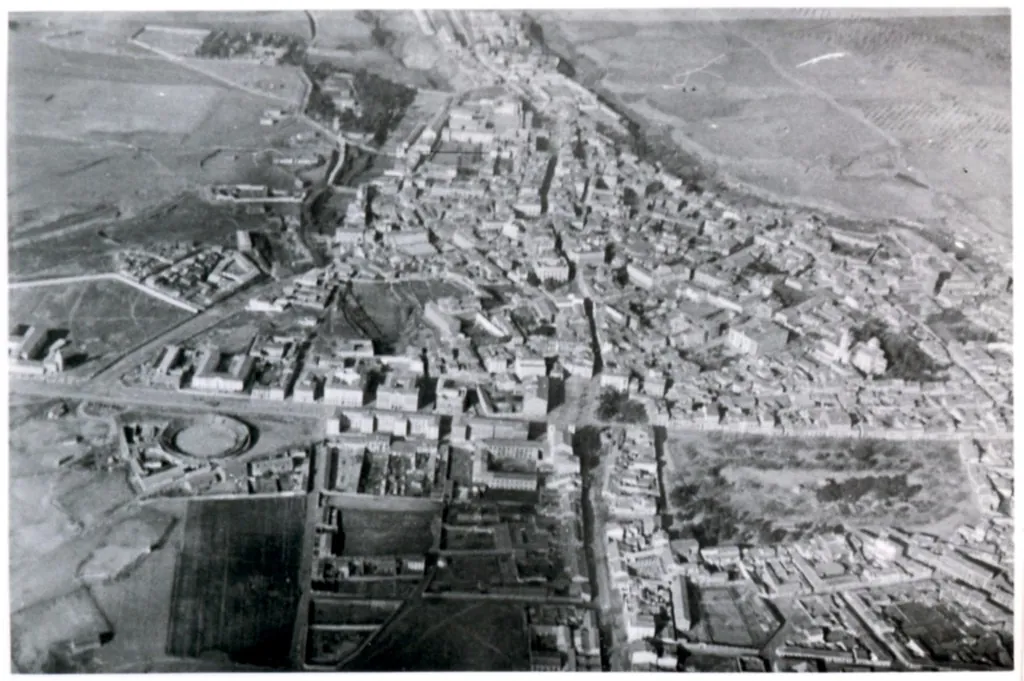
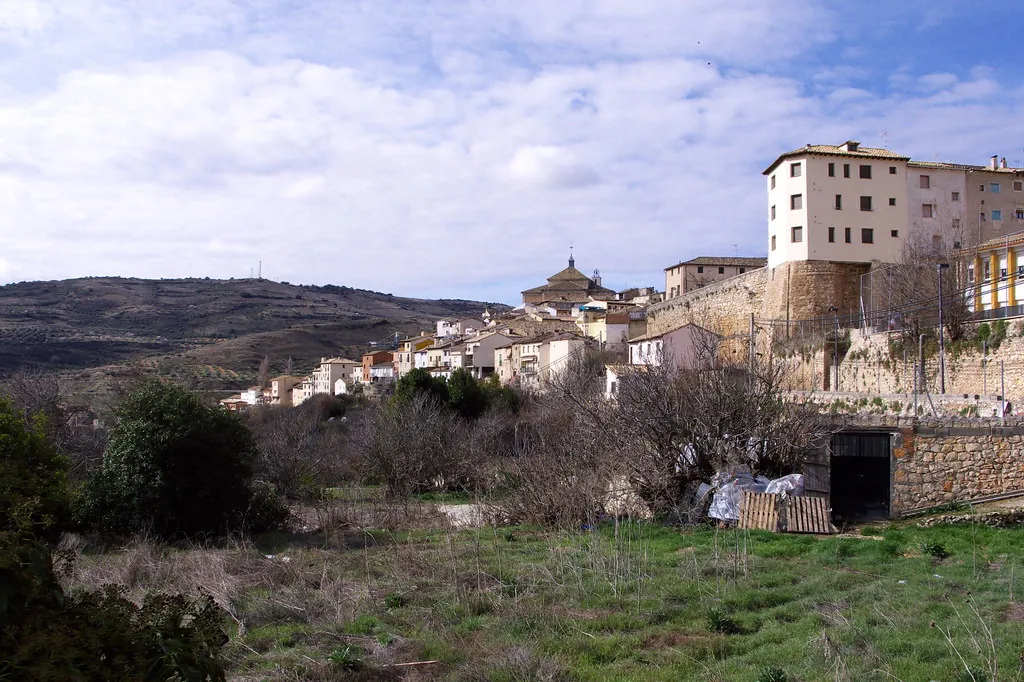
Pastrana sits at 759 metres above sea level, in the heart of La Alcarria in the province of Guadalajara. It is a small municipality, home to fewer than a thousand residents, yet its past carries weight. The Dukes of Pastrana established themselves here in the 16th century, and that ducal period left a visible mark: churches, convents and stately houses that still shape the rhythm of the town.
What makes Pastrana distinctive is the way that history coexists with ordinary life. Washing hangs from balconies. Neighbours cross the main square with shopping bags in hand. Conversations drift out from open doorways. The atmosphere does not feel staged or preserved behind glass. The historical setting remains intact, but daily routines never disappeared.
Landmarks that tell the story
The Palacio Ducal dominates the centre. This 16th‑century Renaissance building looks imposing and somewhat severe from the outside, as if it still wishes to remind visitors who held power here five centuries ago. Inside, the courtyard feels more welcoming, with columns and surrounding galleries that soften the impression created by the exterior walls. Ana de Mendoza, the famous Princesa de Éboli, lived here. She is one of those historical figures whose life seems closer to fiction than fact.
A short walk away stands the Colegiata de Nuestra Señora de la Asunción. Its exterior appears sober, even restrained. Step inside and you encounter one of Pastrana’s most unusual treasures: the Tapices de Pastrana. These 15th‑century Flemish tapestries depict Portuguese military campaigns in North Africa. They are not conventional religious decoration. Instead, they function as vast woven chronicles, recounting episodes of war in detailed textile form.
The Convento del Carmen forms another key part of the town’s story. Santa Teresa founded it in the 16th century, during the same period of ducal prominence. Discalced Carmelite nuns still live there today, so any visit depends on the convent’s own schedule. At times, the nuns sell sweets they prepare themselves, following recipes passed down through generations.
Beyond the main monuments, Pastrana rewards unstructured wandering. The old quarter reveals houses with stone portals and heraldic shields carved into their façades. Fountains appear unexpectedly, including the Fuente de los Cuatro Caños. Sooner or later, most routes lead to the Plaza de la Hora. This square functions as the town’s living room. People gather to talk or simply to watch the afternoon pass.
Pastrana as a base for La Alcarria
Pastrana also works well as a starting point for exploring La Alcarria. Paths and tracks run through the surrounding countryside, suitable for walking or cycling. The landscape alternates between open fields and areas of low scrub typical of the comarca.
In summer, parts of the wider region are known for lavender fields. In recent years, these have attracted increasing numbers of visitors. Flowering usually takes place between June and July, although the exact timing depends heavily on the weather each season.
Within the town itself, there are simple routes to follow. The so‑called ruta de los conventos links several religious buildings constructed during the height of ducal influence. It offers a clear sense of how important spiritual life once was in Pastrana, and how closely it was tied to noble patronage.
At certain times, theatrical guided tours take place, often centred on figures such as the Princesa de Éboli. These visits are not always running, but when they coincide with a stay they help to place the buildings and streets in context. Characters from the 16th century return to the foreground, and the town’s past feels more immediate.
Flavours of La Alcarria
In this part of Guadalajara, two ingredients appear again and again on the table: lamb and honey.
Miel de La Alcarria, which has protected designation of origin status, is probably the area’s best‑known product. Many travellers take some home with them. Its flavour differs noticeably from industrial honey. It can be more intense, sometimes darker in colour, depending on the flowers from which the bees have gathered nectar.
Traditional dishes include migas alcarreñas, along with substantial stews and straightforward roasts. This is country cooking, designed for long working days and cold winters. Recipes focus on sustenance and local produce rather than elaborate presentation.
Convent sweets also form part of the culinary identity. The nuns’ baking tends to follow long‑established formulas: yemas, small pastries and other classic treats that would be familiar to generations past. These recipes reinforce the link between Pastrana’s religious houses and everyday life.
Festivities that reshape the streets
The main celebrations revolve around Nuestra Señora de la Asunción in mid‑August. During these days, the old quarter fills far more than usual and the atmosphere shifts. Music sounds in the streets, processions move through the centre, and people who have ties to the town return for a few days.
Semana Santa, or Holy Week in the lead‑up to Easter, also leaves a strong mark on Pastrana’s narrow streets. Processions climb and descend slopes that can feel steep even without ceremonial robes and religious images to carry. The physical effort required adds to the intensity of the occasion.
In autumn, the Fiesta de la Miel usually takes place, dedicated to one of the products most closely associated with La Alcarria. It does not follow exactly the same format every year, but its focus remains constant: celebrating honey and the role it plays in the region’s identity.
Pastrana does not overwhelm with size or spectacle. Its appeal lies in the steady presence of history woven into ordinary routines. Walk slowly, look up often, and the layers reveal themselves one façade at a time.