Full Article
about Peralveche
High village between La Alcarria and the Tajo; holm-oak country
Hide article Read full article
Peralveche: La Alcarria a 1.100 metros
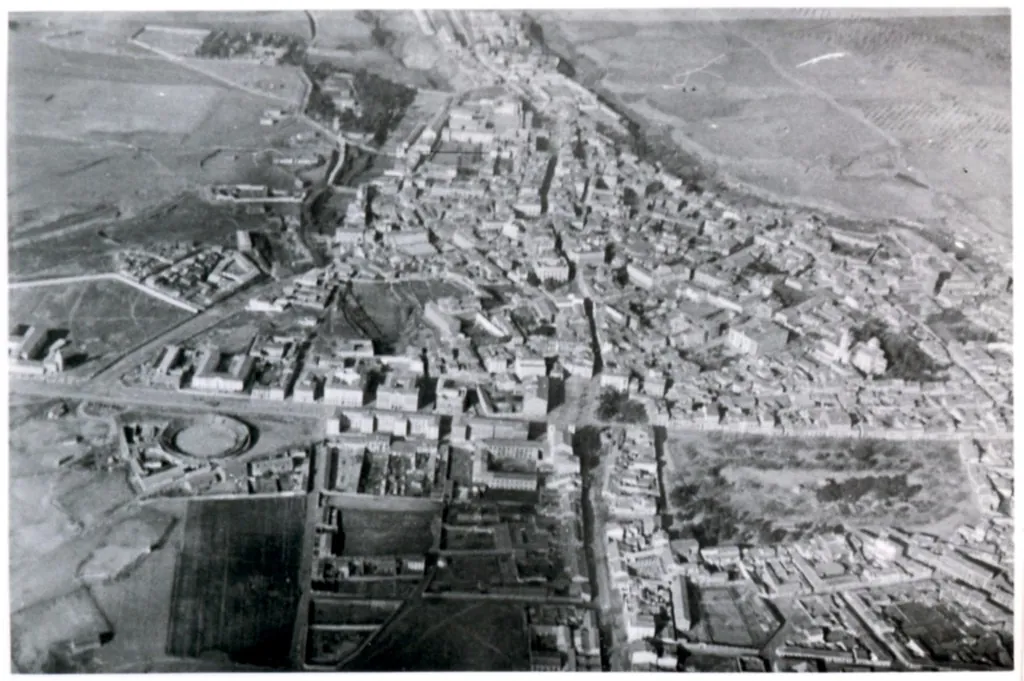
La carretera sube de forma constante desde el valle del Tajo. A unos 1.100 metros de altitud, el páramo se abre y aparece Peralveche. No es un pueblo de paso; se llega porque se busca. Su población ronda el medio centenar de personas. Las casas, de mampostería y teja árabe, se agrupan en una mancha compacta que la fotografía aérea de hace cincuenta años mostraría casi idéntica.
No hay comercios abiertos de forma permanente. La visita consiste en entender la estructura de un núcleo rural mínimo que aún funciona. No es un museo, es un lugar donde se vive de otra manera. La escala lo define todo: en cinco minutos se cruza el pueblo y se llega al campo.
Un paisaje que explica el pueblo
Peralveche se asienta en la Alta Alcarria, una meseta caliza de la provincia de Guadalajara. El paisaje es de paramera, con colinas suaves y extensiones de cereal. La agricultura lo explica casi todo, desde la traza del pueblo hasta el tipo de construcciones.
La iglesia parroquial de la Asunción ocupa el centro. Su origen se sitúa en el siglo XVI, aunque con reformas posteriores. No es un edificio monumental. Su interés está en su función histórica como eje de la vida social en una comunidad donde la parroquia organizaba el calendario y los ritos colectivos.
Las calles no siguen un plano ortogonal. Se adaptan a la pendiente natural del terreno, estrechándose o torciéndose. Los muros de piedra son gruesos, las portadas sencillas. La arquitectura responde al clima riguroso y a las necesidades agrarias, no a la ostentación.
Arquitectura sin adorno y campo abierto
La construcción tradicional aquí emplea la piedra del lugar para los muros y la madera para puertas y ventanas. Los tejados son a dos aguas, con la inclinación necesaria para evacuar la nieve ocasional del invierno. No hay palacios ni casas señoriales. El tipo dominante es la vivienda-bodega, donde se guardaban herramientas, animales y la cosecha.
Esta funcionalidad refleja una vida ligada al ciclo agrario. La vivienda era también espacio de trabajo. Los corrales y las trojes formaban parte de la misma unidad constructiva.
Tras la última casa, el campo comienza de inmediato. Campos de cereal rodean el pueblo por casi todos los lados. El color cambia con las estaciones: verde intenso en primavera, oro en verano, tierra desnuda en invierno. La sensación de espacio es lo que más impacta. No hay bosques cerrados, sino una meseta amplia donde el horizonte se ve lejano.
Senderos que fueron caminos de labor
Varios caminos de tierra salen del casco urbano. Durante generaciones sirvieron para llegar a las parcelas, los apriscos y las fuentes. Hoy son itinerarios para caminar.
No están señalizados como rutas oficiales. Quien quiera alejarse conviene que lleve mapa o GPS, pues la red responde a necesidades prácticas, no a un diseño turístico, y puede resultar confusa.
A lo largo de estos caminos aparecen muros de piedra seca, cerrando lindes o antiguos rediles. También se ven alguna casilla de campo y fuentes que aún manan. Son vestigios de cómo se ordenaba y trabajaba este territorio.
Sobre los cultivos es frecuente ver aves rapaces circulando. Perdices y liebres son comunes al amanecer o al atardecer. La observación no es algo organizado; forma parte del entorno agrícola con poca perturbación humana.
El tiempo condiciona mucho el paseo. Tras la lluvia, los caminos de tierra se embarran y no son aptos para coches convencionales. Hay que ser prudente si se accede por pistas sin asfaltar.
Calendario festivo y vida cotidiana
El ciclo festivo en Peralveche es sencillo. Las celebraciones principales se concentran en verano, cuando regresan muchos de los vecinos que viven fuera. Como en tantos pueblos de la España vaciada, la población se multiplica temporalmente en los meses cálidos.
También se mantienen algunos actos religiosos ligados al calendario parroquial. No son grandes eventos, sino puntos de encuentro para las familias que retornan. Lo importante es el reencuentro, no el espectáculo.
El día a día durante buena parte del año es tranquilo. Con unos cincuenta residentes, el ritmo lo marcan las tareas del campo y el paso de las estaciones. Esta sencillez es clave para entender Peralveche. No es un pueblo reconvertido para la visita. Muestra, sin artificio, cómo se organizaban –y en parte aún se organizan– muchos núcleos de la comarca.
Cuándo ir y qué tener en cuenta
Las mejores épocas para recorrer el entorno a pie son la primavera y el otoño temprano. Las temperaturas son más suaves entonces.
En verano, el sol del mediodía puede ser intenso, aunque las noches suelen ser frescas por la altitud. El invierno es frío y ventoso, con heladas frecuentes. La posición elevada acentúa estos contrastes.
Es necesario llegar con lo que se vaya a necesitar. Peralveche carece de tienda, bar o servicio permanente. La ausencia de equipamientos forma parte de su realidad como núcleo rural mínimo.
Peralveche muestra una Alcarria que ha cambiado poco. Lo definen la vivienda modesta, el campo abierto y un ritmo marcado por lo agrario. Su valor está en esa claridad: permite ver con nitidez la estructura de los pueblos del páramo y cómo algunos aún persisten.