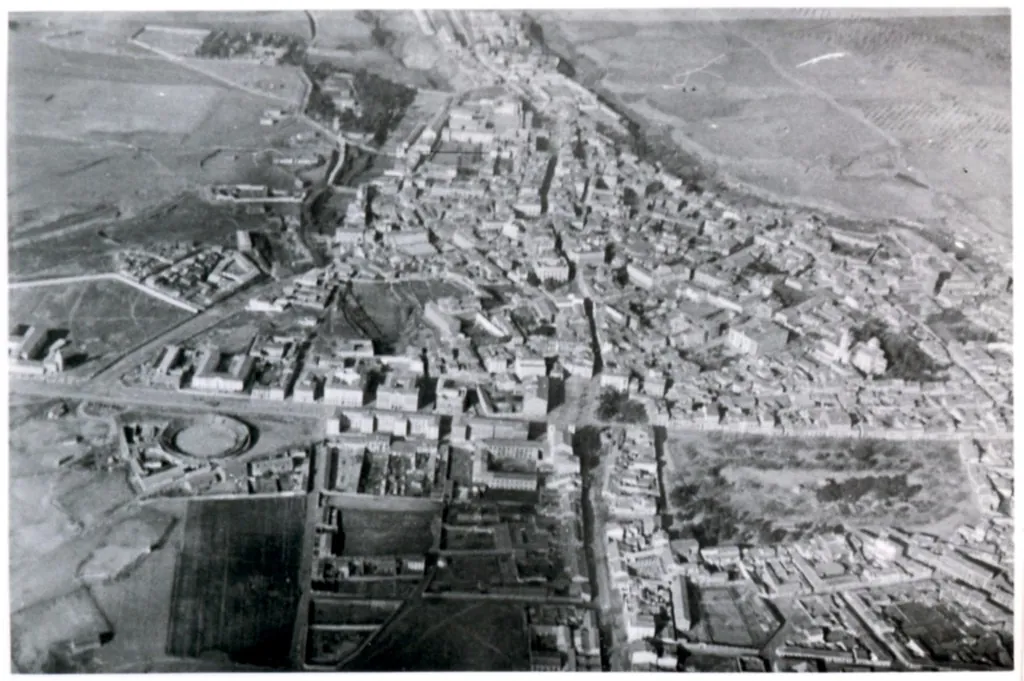
Priego - Flickr
santiagolopezpastor · Flickr 6
Castilla-La Mancha · Land of Don Quixote

Priego

The road from the A-3 turns twisty forty kilometres out. First the motorway thins to a dual carriageway, then to the CM-210, a ribbon of tarmac tha...

912 inhabitants · INE 2025
850m Altitude

Why Visit

Mountain Despeñaperros Tower Via Ferrata

Best Time to Visit

summer

Christ of Charity Festival (September) septiembre

Things to See & Do
in Priego

Heritage

  • Despeñaperros Tower
  • Rosal Convent
  • Priego Gorge

Activities

  • Via Ferrata
  • Wicker Route
  • Hiking

Festivals
& & Traditions

Fecha septiembre

Fiestas del Cristo de la Caridad (septiembre)

Las fiestas locales son el momento perfecto para vivir la autenticidad de Priego.

Full Article
about Priego

Alcarrian town known for its wickerwork and pottery; set in a spectacular gorge landscape.

Ocultar artículo Leer artículo completo

The road from the A-3 turns twisty forty kilometres out. First the motorway thins to a dual carriageway, then to the CM-210, a ribbon of tarmac that corkscrews down limestone benches until mobile reception flickers out. When the asphalt finally straightens, Priego appears: a line of ochre roofs balanced on a ridge at 850 m, looking south across a gorge that slices through the Alcarria like a careless axe stroke.

Eight hundred and eighty-five people live here year-round. Their village is not hidden; it simply never advertised itself. Tour buses turn north for Cuenca’s hanging houses, leaving Priego to shepherds, apiarists and the occasional Madrid family who come for the silence. Weekends in spring bring a handful of walkers—boots dusted white with chalk, binoculars swinging—but even in August you’ll share the plaza with more sparrows than strangers.

Stone that remembers

Start at the top. The Iglesia de San Nicolás de Bari squats on the highest cobbles, its bell-tower rebuilt piecemeal after lightning, Civil War shelling and budget shortages. Inside, the main retable is pure late-Gothic overload: gilded columns, painted cherubs, a Virgin whose face was restored in 1973 and already looks bored again. Look left and you’ll spot a Renaissance side-chapel paid for by wool money, then a baroque font slapped in during the 1740s when the river flooded and the priest needed a miracle. The church is open 10–13:00 most days; the key hangs in the bar opposite if the door is locked.

From the church door every lane tumbles downhill. Houses are granite below, timber balcony above, the masonry walls two metres thick because winters here bite. Half the façades need repointing; a few have been scrubbed into custard-coloured render that looks oddly suburban. Peek through the iron grille at number 14 Calle de la Trinidad: a 16th-century courtyard with a marble wellhead carved with the original owner’s coat of arms—two wolves and a cauldron, symbols of a family whose fortune came from rendered tallow.

Ten minutes’ descent brings you to the mirador, a concrete platform cantilevered over the gorge. Below, vultures ride thermals rising off cliffs the colour of digestive biscuits. Across the void the land folds into holm-oak scrub and cereal stubble; on clear days you can trace the pale line of the CM-210 snaking towards Cañizares twelve kilometres away. Bring a windproof—at this altitude the breeze carries the smell of wild thyme and the metallic tang of distant rain.

Walking the empty quarter

Priego’s hinterland is a lattice of drovers’ paths recorded in 13th-century pasture books. Markers now read “PR-CU 23” and “PR-CU 24”, but locals still call them by older names: Camino de la Sierpe, Cañada Real de la Mesta. The shortest loop, six kilometres, drops from the mirador into the Hoz de Priego, follows the riverbed past abandoned watermills and climbs back through rosemary scrub to the cemetery gate. Limestone underfoot can be slick even in summer; boots with grip are sensible.

Longer routes push east to the abandoned village of Aldehuela, its stone threshing circles intact, or south along the gorge rim to the Ermita de la Virgen de los Remedios, a chapel that opens only on the second weekend of September when the statue is carried back to Priego accompanied by tractors, trumpet bands and enough anisette to stun a mule. If you’d rather not navigate alone, pottery-owner Jesús Parra doubles as walking guide on Tuesday and Thursday mornings (€15 pp, minimum four people, binoculars provided).

Birdlife rewards patience. Calandra larks bounce over wheat stubble; in May you might hear the rasp of a great spotted cuckoo hiding from magpie foster parents. The cliffs hold breeding griffon vultures year-round, while winter brings golden eagles down from the Cuenca uplands. A pair of binoculars transforms the gorge from pleasant scenery into a live nature programme—no commentary, no adverts.

Lunch at the only bar with Wi-Fi

Bar España opens at 07:00 for farm workers and doesn’t shut until the television stops showing football. Inside, the air smells of coffee grounds and curing ham. The owner, Manolo, keeps one table permanently reserved for the mayor—an honorary gesture since the mayor prefers his wife’s cooking. Order the morteruelo (€6), a pâté of hare, partridge and pork liver pounded with garlic and spices, served warm with baguette. A British visitor once compared it to a superior Branston spread; locals took it as a compliment.

If you need vegetables, ask for the menestra de verduras (€9), a spring stew of artichoke, pea and broad bean that arrives in a clay bowl big enough to bathe a cat. The house red—Villanueva de la Jara tempranillo—comes in a glass that costs €1.60 and tastes like cherries with the heat taken out. Payment is cash only; the card reader broke in 2019 and nobody has missed it.

Buy supplies before lunch if you’re staying self-catering. The village shop closes 14:00–17:00 and stocks little beyond tinned tuna, UHT milk and the local honey that carries a DOP label. The nearest real supermarket is in Cañizares; the road back is winding enough to scramble your eggs if you hurry.

Clay, beeswax and no postcards

Afternoon options are limited on purpose. The pottery workshop on Calle de los Barrioncos keeps the door open so the wheel can breathe. Jesús throws utilitarian bowls glazed the colour of wet sand; tourists are invited to ruin one themselves (€12 including firing and shipping if you don’t mind waiting six weeks). He speaks slow, precise English learnt while picking strawberries in Kent one summer and still thinks Thanet is the centre of the universe.

Next door the apiary sells lavender honey in medicine bottles sealed with a cork.Labels are handwritten because the printer blew a fuse. Taste before you buy—late-summer harvest carries a sharper thyme kick that some British palates find medicinal. One jar fits neatly into airline hand luggage; two will earn you a bag search.

There is no souvenir shop, no fridge-magnet kiosk, no interpretive centre. The closest thing to merchandise is a stack of second-hand books left outside the church: Castilian classics, mildewed gardening manuals, last year’s copy of Hello! in Spanish. Leave a euro in the tin if you take one; the fund repairs roof tiles.

When to come, when to stay away

April and May turn the surrounding fields green-gold; orchids appear beside the paths and night temperatures still dip to 6 °C—pack layers. September light is softer, the wheat stubble gold, the stone warmed through after months of sun. Summer midday can hit 36 °C, but altitude keeps nights breathable; locals sleep with windows open and quilts ready. Winter brings sharp frosts and the occasional snow day. If the white stuff settles, the CM-210 closes until a plough arrives from Cuenca; carry blankets and a full tank.

Accommodation is thin. There are five rooms above Bar España—ceiling fans, shared bathroom, €35 incl. breakfast toast and thick coffee. Two rural casas have been restored: Casa de los Tres Arcos sleeps four, has a wood-burner and costs €90 per night mid-week. Anything grander means backtracking to Huete or pushing on to Cuenca. Book ahead during fiesta weekends; the village doubles in size when the grandchildren come home.

Last orders

Priego will not change your life. It offers no Instagram moment, no bucket-list tick. What it does give is a measure of quiet increasingly hard to buy: the sound of a blacksmith’s hammer echoing across the gorge at dusk, the smell of bread baked in a wood oven that predates electricity, a night sky still dark enough to remind you what the Milky Way actually looks like. Turn up expecting entertainment and you’ll be asleep by ten. Arrive prepared to match the village’s pace—walk, look up, sit still—and the meseta will hand you its last secret for free.

Key Facts

Region
Castilla-La Mancha
District
La Alcarria
INE Code
16170
Coast
No
Mountain
Yes
Season
summer

Livability & Services

Key data for living or remote work

2024
ConnectivityFiber + 5G
EducationHigh school & elementary
Housing~5€/m² rent · Affordable
CoastBeach nearby
Sources: INE, CNMC, Ministry of Health, AEMET

Official Data

Institutional records and open data (when available).

  • ESCUDO INMUEBLE C/ FRANCA Nº 20
    bic Genérico ~0.3 km
  • ESCUDO INMUEBLE C/DE LA CRUZ Nº 9
    bic Genérico ~0.4 km
  • MURALLA
    bic Genérico ~0.4 km
  • ESCUDO INMUEBLE CONVENTO DE LA ENCARNACIÓN
    bic Genérico ~0.4 km
  • ESCUDO INMUEBLE PLAZA MAYOR Nº 6
    bic Genérico ~0.4 km
  • ESCUDO INMUEBLE PLAZA MAYOR Nº 5
    bic Genérico ~0.4 km
Ver más (12)
  • ESCUDO INMUEBLE C/ FRANCA Nº 2
    bic Genérico
  • ESCUDO INMUEBLE PLAZA MAYOR
    bic Genérico
  • ESCUDO FUENTE DE LA PLAZA MAYOR
    bic Genérico
  • ESCUDO INMUEBLE. AYUNTAMIENTO
    bic Genérico
  • ESCUDO INMUEBLE C/ LARGA Nº10-12
    bic Genérico
  • ESCUDO INMUEBLE C/ LARGA Nº7
    bic Genérico
  • ESCUDO ARCO DE MOLINA
    bic Genérico
  • ESCUDO INMUEBLE C/ LARGA Nº5
    bic Genérico
  • CASTILLO
    bic Genérico
  • ESCUDO INMUEBLE C/ LA LOMA Nº12
    bic Genérico

Planning Your Visit?

Discover more villages in the La Alcarria.

View full region →

More villages in La Alcarria

Traveler Reviews