Full Article
about Sacedón
Riverside capital of the Mar de Castilla; boating tourism and summer atmosphere
Ocultar artículo Leer artículo completo
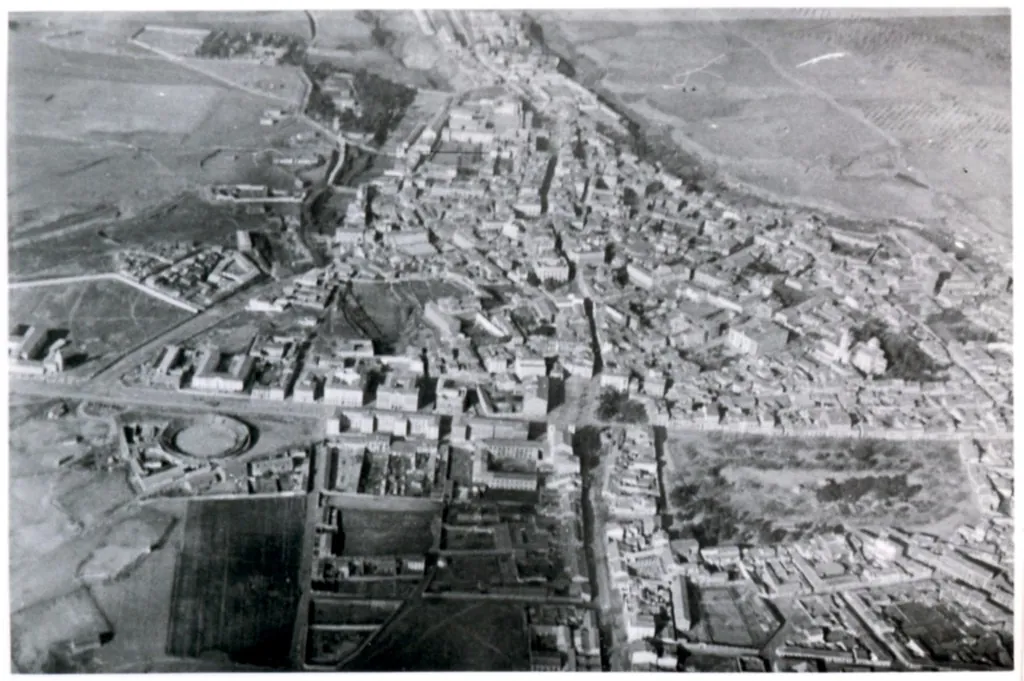
The church tower rises first, long before the village proper appears. From the CM-2000 it looks like a stone lighthouse planted in a sea of wheat, guiding drivers down towards the turquoise slab of Entrepeñas reservoir. That blue is the first clue that Sacedón isn't the usual La Mancha settlement: this is a place that was picked up, moved and reassembled after the 1950s dam flooded its original streets. What you see today is a mid-century reboot of a Castilian town, wrapped round Spain's fourth-largest body of fresh water.
A Town That Floats on Its Own Past
Park on the upper ridge (free, shaded) and walk downhill. The grid of 1960s houses – stone bases, whitewash above, red-tile roofs – feels more functional than romantic, but the layout makes sense once you know the history. The old village church was dismantled stone by stone; its baroque altar and a few coats of arms now sit inside the new Iglesia de la Asunción, a building that still smells faintly of plaster after seventy years. Locals will tell you the baptismal font is original; look for the 1639 date chiselled on the rim.
Below the church the streets narrow and shade returns. Bar Central opens at 07:00 for coffee and churros; by 09:00 farmers have swapped bar stools for boat trailers, heading to the slipway two minutes away. The transition from agricultural to aquatic is that quick. On Thursdays a white van pulls into Plaza de España and sells honey stamped with the Alcarria DOP – thyme, rosemary, orange blossom – cheaper than in any Madrid gourmet shop.
The Lake Rules Everything
Entrepeñas stretches 24 km east-west, a wedge of water trapped between low, baked hills. Summer surface temperatures reach 26 °C, warm enough for a long swim without a wetsuit, yet the depth drops to 80 m in the old river channel – so the reservoir never feels like a giant paddling pool. British motor-homers favour the northern shore: Camping Sacedón has 250 pitches under eucalyptus, direct access for kayaks and a small beach created by importing two lorry-loads of sand. Pitches with electricity start at €25 in May; book ahead for August because half of Madrid seems to arrive towing jet-skis.
If you arrive without a boat, the municipal kayak concession rents sit-on-tops for €12 an hour at the western coves. The water is flat enough for beginners, but a south-westerly can whip up a short, sharp chop after 15:00 – good fun for practising brace strokes, less fun if you've never used a paddle before. Anglers gather at the dam wall for black-bass; licences cost €5 a day and can be bought online the night before. Carp run large here – 8 kg fish are not folklore – so bring heavy tackle.
Walking the Dry Side
Away from the shore the land reverts to classic Alcarria: holm-oak scrub, thyme-scented air, soil the colour of burnt toast. Three way-marked loops leave from the upper cemetery; the longest, Senda de la Sierpe, climbs 250 m to a ridge that gives a hawk's view of the reservoir's forked outline. The path is an old drove road; expect to meet goats rather than people, and carry two litres of water per person between May and October – there is none en route. Spring is the payoff: the turf greens for six weeks, poppies splash scarlet across wheat fields and the thermometer sits at a civilised 22 °C.
Winter walkers face the opposite extreme. Night frosts are common from December to February; daytime highs of 10 °C feel colder once the wind crosses the open water. Snow is rare, but the CM-2000 can ice over in early morning – tyre chains live in most local boots. The upside is silence: you may share the entire shoreline with only cormorants and the occasional fish-eagle.
What to Eat When the Kitchens Close Early
Sacedón's restaurants observe Castilian hours – lunch 14:00–16:00, dinner 21:00–23:00 – and close their kitchens promptly. On Sundays only Bar Central and the roadside Venta El Molino still serve food after 18:00, so plan arrival times accordingly. Typical starters are gazpacho manchego (a game stew thickened with unleavened bread, nothing to do with cold tomato soup) and pescaíto del embalse, tiny lake fish deep-fried with garlic – think whitebait, but free from bones. Main courses lean heavy: cordero asado needs forty minutes' notice, so order when you sit down. House reds from Cuenca province rarely exceed 13 % alcohol; they cost €9–11 a bottle and travel well in a Ryanair-sized suitcase.
Vegetarians survive on tortilla, cheese and honey. Queso de oveja curado, aged six months, is drier and sharper than Manchego; try it drizzled with the local thyme honey for dessert. Vegan options are essentially non-existent – even the salad arrives topped with tinned tuna unless you protest.
Cash, Language and Other Small Shocks
There is one cash machine, a Santander branch on Calle Nueva. It runs out of money most Fridays and refuses many foreign cards, so fill your wallet in Guadalajara or Madrid before you leave the A-2. English is scarce: campsite receptionists cope, shopkeepers generally don't. A phrase-book Spanish gains immediate goodwill; "¿Hay baño señorial?" (is there a public loo?) is useful because the only facilities are inside bars and they expect you to buy something.
Mosquitoes breed in the reed beds from May onwards. Bring repellent containing DEET; after sunset they will find any patch of ankle you miss. Water-shoes are equally vital – the shore is stony, sudden drop-offs appear after two metres, and Spanish families laugh at barefoot Brits hopping on hot pebbles.
When to Come, When to Leave
April–mid-June and mid-September–October give the best balance of weather, water level and crowd density. In spring the reservoir is full, migrant birds pause on their way north and hotel rooms cost €45–60. By late August the water can drop three metres, exposing a white "bathtub ring"; temperatures still hit 35 °C at noon and Spanish holidaymakers triple the population. Weekenders arrive on Friday afternoon and leave Sunday after lunch; Monday to Wednesday the place reverts to a sleepy farming centre where restaurant owners have time to chat.
Winter is for contrarians. Days are bright, nights are bitter, and the village keeps Spanish hours with half the shops shuttered. Yet if you want a lakeside pitch to yourself, January delivers. Just remember the swimming area is officially closed; brave souls still wade in, but there are no lifeguards and the wind off the water carries real bite.
Drive away at dusk and the tower reappears in the rear-view mirror, silhouetted against the reservoir's metallic sheen. Sacedón will never win beauty contests, but it offers something the Costas cannot: a working Spanish town that happens to have a lake in its front garden. Come with modest expectations, a handful of cash and a tolerance for strong coffee, and the place repays you with empty trails, £2.50 glasses of wine and the slight, pleasing sensation that you have parked your car in a geography textbook about modern Spain.