Full Article
about Trijueque
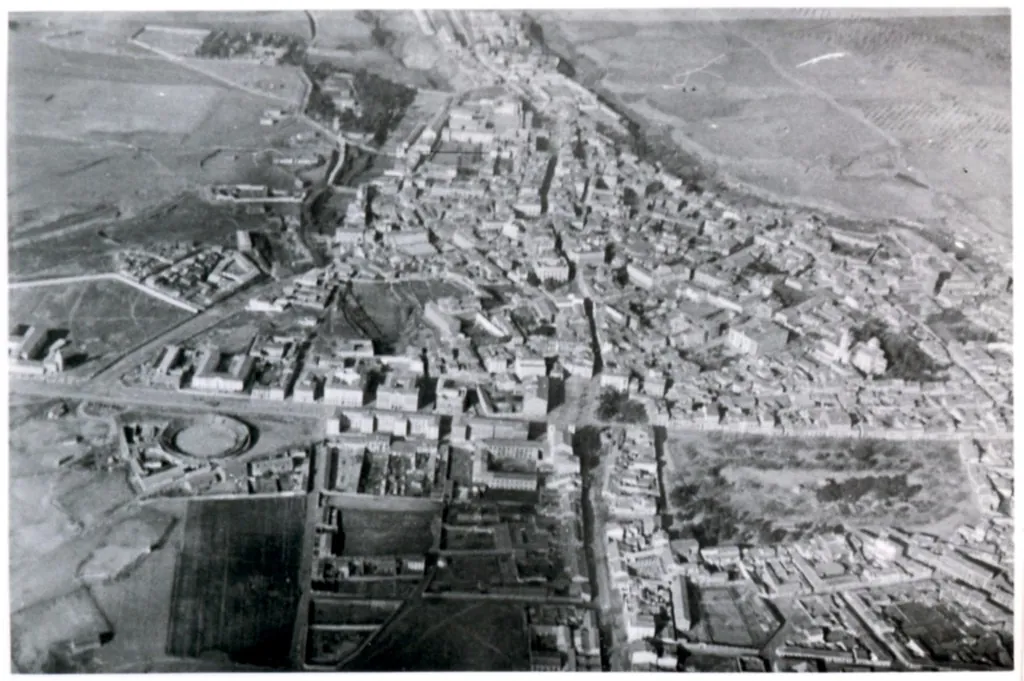
Alcarria balcony with spectacular views; large housing developments
Ocultar artículo Leer artículo completo
The Slow Tick of a Hilltop Clock
At 944 metres, Trijueque’s church bell carries further than mobile reception. Stand beside the stone cross on the highest lane at seven in the evening and the bronze note rolls out across wheat stubble and holm-oak scrub, bouncing off the low slate ridges that Cela once tramped for “Viaje a la Alcarria”. The sound is older than the republic, older than the asphalt on the CM-101, and it still sets the village rhythm: bread at dawn, beer at eleven, siesta, then the evening paseo that nobody calls anything so tourist-board as a “paseo”.
Below the bell tower the houses keep to a modest palette: oatmeal render, granite quoins, the occasional coat-of-arms faded to a blur. There is no postcard plaza, no selfie-magnet fountain. Instead you get a grid of four short streets, two grocery-bars, a chemist that doubles as the post office, and a butcher who knows exactly how many chops you will need for two people and a terrace barbecue. It is enough. Trijueque makes no promise of grandeur; what it offers is altitude—literally—and the small mercy of being left alone.
Stone, Slate and the Memory of Mules
The oldest masonry here predates the Catholic Monarchs. Chunky ashlars in the lower courses of San Pedro Apóstol arrived on mule-back from a quarry near Humanes, fifteen kilometres north-west; you can still see the diagonal dressing marks made by fifteenth-century chisels. Higher up, eighteenth-century brickwork in ochre and terracotta closes the Gothic arches, a practical patch-job after a lightning strike took off the first spire. Inside, the retablo mayor is walnut rather than the usual gilded pine—dark, almost Protestant—carved by an itinerant Burgundian workshop who got paid in wool and wheat because coin was short after the War of Succession.
Walk the five minutes back to Calle Mayor and the domestic architecture is equally frank: timber balconies nailed straight onto granite pads, doors wide enough for a laden donkey, iron grills forged in Sigüenza when charcoal was cheap. One house still keeps the stone hitching ring; another has bricked up the arch but left the date—1783—picked out in blackened lime. Touch the wall at noon in July and the heat flies back at you like an open oven; come back after ten and the same stones breathe cool air onto your forearms. The temperature swing can top fifteen degrees, the reason locals give for sleeping with winter blankets even in August.
Lunch that Doesn’t Know the Word “Snack”
Trijueque’s bars do not serve “tapas” in the Andalusian sense; they serve comida, full stop. Order a caña in Bar El Centro and a saucer of migas—fried breadcrumbs riddled with pancetta and grapes—appears without asking. Ask for a menu and you will be handed a single typed sheet: cordero al horno (half a shoulder, roasted long and slow), judías con chorizo that tastes of sweet pimentón rather than chilli heat, and a bowl of gachas manchegas, the porridge-thick cousin of gazpacho that shepherds once ate at dawn.
Vegetarians last about five minutes. The house wine is from Valdepeñas, sold by the litre in plain glass, and costs €2.80; bread is 80 cents a barra, crusty enough to saw your gums. Pudding, if you still face it, is tocino de cielo, a yolk-heavy flan that uses up the surplus eggs after the wine clarification—waste not, want not, even at altitude.
Tracks for Boots, Hooves and Patience
The GR-116 long-distance footpath clips the village for eight kilometres, but the better walks are the old drove roads that drop east towards the Henares river. One leaves from the cement works on the northern edge (follow the sign “Pozo de Nieve”, 300 m), dives through a tunnel of holm oak and emerges after forty minutes onto the paramera—wind-scoured plateau where wheat gives way to thyme and the only sound is the hiss of grasshoppers.
Spring brings purple flashes of Languedoc crocus; after rain the clay sticks to boot tread like half-set cement, so carry a toothpick to dig out the cleats. In July the thermometer kisses 36 °C by two o’clock; start early or wait for the long autumn shadow that begins around five. Mountain bikes work too, but the gradients are sneaky: 200 m of climb in less than 3 km on the road to Tortuera, enough to make a leisure cyclist question the wisdom of that third helping of migas.
When the Village Remembers How to Party
For fifty weekends a year Trijueque murmurs. Then, on the last Saturday of June, the population doubles. San Pedro’s fiesta starts with a rocket at noon and a blanket of gunpowder smoke that drifts across the wheat like weather. Teenagers who left for Madrid or Zaragoza reappear with toddlers and new partners; grandparents stake out plastic chairs along Calle del Medio at six to secure a view of the evening procession.
Brass bands play pasodobles slightly faster than the musicians can manage; at 3 a.m. the plaza becomes an open-air disco where £1.50 buys a plastic cup of beer and a slice of tortilla. Nobody pretends the music is good; everybody pretends it matters. By Tuesday the rubbish lorries have hauled away the crushed tinto de verano cartons and the village drops back to 1,500 souls, the quiet more pointed for having been broken.
Getting Here, Staying Here, Leaving Again
No train reaches Trijueque. From Madrid’s Avenida de América bus station, Alsoper runs one daily service to Sigüenza (1 h 40 min, €11.75) where a local taxi will cover the final 18 km for around €35—book in advance, drivers are thin on the ground. Hiring a car at Barajas is simpler: take the A-2 to Guadalajara, peel off onto the CM-101 and follow signs for Humanes; the turn-off appears just after the wind-turbine ridge.
Accommodation is limited. El Roble Hueco, two kilometres south of the village, offers three rooms in a converted granary from €70 a night, breakfast of churros and thick coffee included. El Mirador has a pool and space for six, handy if you are travelling with walkers who argue about siesta volume. Neither has a restaurant, so plan on driving back into town for dinner—or walk the farm track, but bring a torch; street lighting ends abruptly at the last house.
Winter can catch out the unwary. At 944 m, snow arrives earlier than Madrid forecasts suggest; the CM-101 is salted but the side road to the village becomes a bob-run. If you book between December and February, carry chains or be ready to leave the car at the first bend and haul your weekend bag the final kilometre uphill. Spring and late September give the kindest light and the least drama.
The Honest Exit
Trijueque will not change your life. It offers no Michelin stars, no infinity-pool sunsets, no artisan gelato. What it does, stubbornly, is remain itself: a knot of stone houses tuned to the pace of grain ripening and church bells, happy to sell you a beer, point you at a path and then forget you ever arrived. Drive away at dusk and the bell rings once more across the plateau, not a farewell—just the village keeping time while the rest of the world checks its phone.