Full Article
about Valdeolivas
Known for its Romanesque church and olive groves; gateway to La Alcarria.
Hide article Read full article
A Village That Sets Its Own Pace
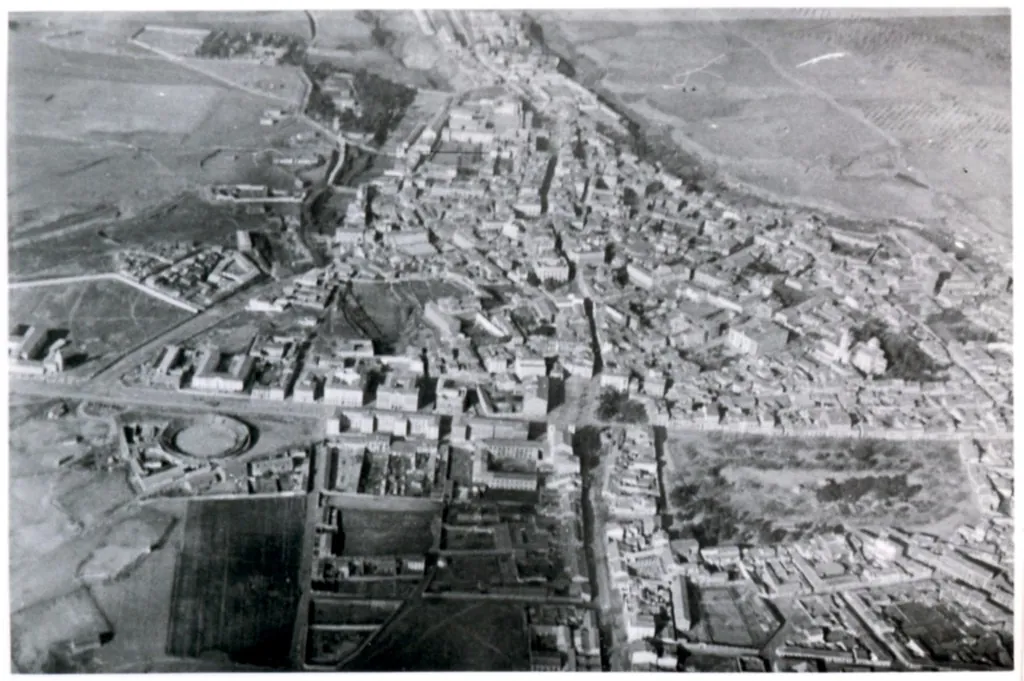
Some places tell you what they are about before you even arrive. Valdeolivas, in the Alcarria region of Cuenca, is one of them. From the road, you see a small cluster of houses, the church tower rising above the rooftops, and open fields stretching out in every direction. There is not much more to it, and that is precisely the point.
With around two hundred residents, life here moves differently. Streets are short, neighbours still acknowledge each other in passing, and there is a kind of quiet that can feel unfamiliar at first but soon becomes part of the appeal. This is not somewhere to come for grand landmarks or a packed historic centre. The interest lies elsewhere, in the smaller details that reveal themselves if you slow down.
The Church and the Streets Around It
The Iglesia de la Asunción is the main reference point in the village. It is not particularly large or ornate, yet its presence is clear. It has stood here for centuries, watching generations come and go, and its tower helps you get your bearings. Walk through the streets for a while and you will likely find yourself back at the same spot.
Inside, when it happens to be open, there are old mural paintings that have survived the passage of time. They have not been restored in the way you might see in more famous places, and that is part of what makes them interesting. What you see is what has endured, with all the marks left behind over the years.
The streets around the church are simple and quiet. Many houses still keep traditional features: stone or adobe walls, large wooden doors, and small enclosed yards. If you take your time, you start to notice details that might otherwise go unnoticed. Hand-forged window grilles, glimpses of interior patios, or the remains of entrances leading to underground wine cellars dug into the ground. Fewer of these cellars survive today, but traces of them can still be spotted here and there.
Walking the Alcarria Landscape
The countryside around Valdeolivas is typical of the Alcarria: gentle hills, olive groves and cereal fields that shift in appearance depending on the season. There are no major signposted routes or organised trails, but there are plenty of agricultural paths that are easy to follow.
These are straightforward walks. You can leave the village without a fixed plan and end up passing an old threshing floor, a partially collapsed corral, or simply wide stretches of open land. It is the kind of place where the walk itself is the point, rather than any particular destination.
Birdwatchers may find it worth bringing binoculars, as birds of prey often make use of these open areas. The landscape gives them space to glide, and with a bit of patience they are not hard to spot.
Distances can be deceptive, though. The openness of the terrain makes everything seem closer than it really is. Once you have walked a little way out, the return can take longer than expected, so it helps to keep that in mind before heading too far.
Food as Part of Everyday Life
Valdeolivas is not a place with a defined food scene. It is a small village, and it works like one. The cooking that belongs here is the kind tied to daily life and local traditions: roast lamb, migas prepared for gatherings, seasonal produce from nearby gardens, and cheeses from the area.
Rather than coming specifically to try dishes, what you find is food that feels domestic. It is the kind prepared for family meals or shared during local celebrations. Simple, filling, and closely linked to the rhythms of rural life.
When the Village Fills Out
For much of the year, Valdeolivas remains very quiet. That changes during the fiestas. In summer, traditionally in August, many people with family roots in the village return, even if they now live elsewhere. The population grows, and the atmosphere shifts.
These days bring music, shared meals and more activity in the main square. It is not an event designed with visitors in mind, but rather a time for those connected to the village to come back and spend time together.
Semana Santa is also observed, though in a more understated way, as is common in many small villages in the area.
Choosing the Right Moment
Spring and autumn are often the most comfortable times to explore the surrounding countryside. The colours of the fields change noticeably, and the temperatures make walking more pleasant.
Summer brings strong heat in the middle of the day, which is typical of inland Cuenca. Even so, evenings tend to cool down more than you might expect. Winter, on the other hand, can feel quite cold, especially when the wind picks up, so it is worth being prepared if you plan to spend time outdoors.
What to Expect, and What Not To
Valdeolivas is not a destination packed with sights. A visit usually means a relaxed walk through the village, a look at the church, and some time spent wandering the nearby countryside.
Services are limited, as you would expect in a place of this size. The village is set up for those who live here rather than for tourism, and that shapes the experience.
The appeal lies in its rhythm. If you enjoy places where very little seems to happen yet everything follows its own logic, from the sound of the bells to the activity in the square and the presence of the surrounding fields, it does not take long to understand what makes this place tick.
Valdeolivas does not often appear on popular travel lists or well-known routes through the Alcarria. Approached without high expectations, it becomes easier to appreciate it for what it is: a village that continues to function as a village, rather than something staged for visitors. Sometimes that is more than enough.