Full Article
about Vellisca
Alcarrian village with a monumental church and fossils in the surrounding area
Hide article Read full article
Vellisca: un alto en la Alcarria interior
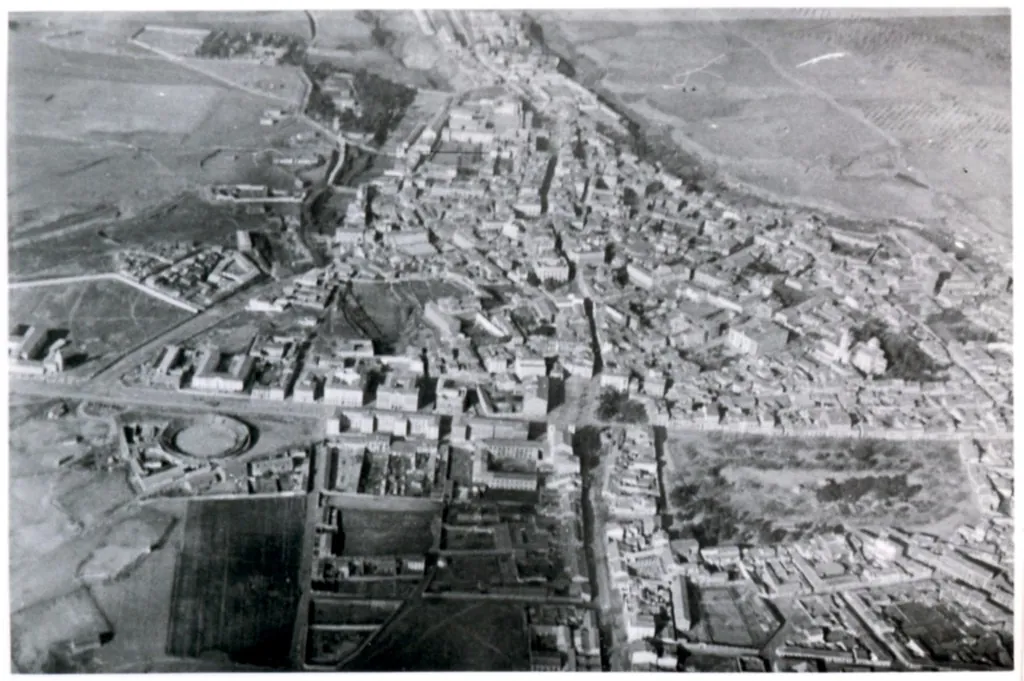
Vellisca se encuentra en la parte más interior de la Alcarria, ya en la provincia de Cuenca. Su posición, a unos 900 metros sobre el nivel del mar, explica muchas cosas: el paisaje abierto, la arquitectura sobria, el clima. El censo ronda el centenar de habitantes, una cifra que condiciona el ritmo y la escala de todo.
Desde lo alto del pueblo, la vista se extiende sobre un territorio de colinas suaves, campos de cereal y monte bajo. Es el paisaje alcarreño clásico, donde la sensación de amplitud es lo primero que se nota. El caserío se adapta a la loma, con calles cortas y casas de mampostería que toman el color de la tierra de alrededor. No es un conjunto monumental, sino un ejemplo claro de cómo se ha construido aquí durante siglos.
La iglesia y la arquitectura doméstica
La torre de la iglesia parroquial es el punto de referencia visual cuando se llega por carretera. El edificio, de origen generalmente atribuido al siglo XVI aunque con reformas posteriores, tiene la sobriedad habitual en estas tierras. Su función era más práctica que ornamental: marcar el centro de la comunidad y servir de orientación.
El interés arquitectónico de Vellisca está en los detalles de las viviendas. Las fachadas son bastante cerradas, con puertas de madera maciza que originalmente daban paso a carros o servían para guardar el ganado. La construcción responde al clima: muros gruesos para aislar del frío y del viento, que en esta altura suele ser persistente. En algunos muros se ven todavía los dinteles de piedra labrada o las pequeñas aspilleras de ventilación.
En las afueras aparecen otros elementos ligados a la vida agraria. Hay eras de trillar, algunas aún en uso ocasional, y bodegas excavadas en pequeños taludes. Estas bodegas, una solución común en toda la comarca, mantenían una temperatura estable para el vino durante todo el año. Aunque muchas ya no se usan, su presencia habla de una economía doméstica que era autosuficiente.
Por los caminos de labor
La forma más directa de entender el entorno es salir a caminar por los caminos de labor. Son pistas anchas, hechas para maquinaria agrícola, que no presentan desniveles importantes. No están señalizados como rutas de senderismo, pero la apertura del terreno hace difícil perderse si el tiempo es claro.
El paisaje cambia poco: cereal, barbecho, manchas de monte bajo con tomillo y aliaga. Es en primavera y otoño cuando se nota más actividad. Se ven aves rapaces sobrevolando los campos y, tras las primeras lluvias, es habitual que algunos vecinos salgan a buscar setas en los alrededores. Como en cualquier zona rural, es fundamental conocer bien las especies y respetar las normativas locales sobre recolección.
El ritmo local y las fiestas
El calendario lo marcan las estaciones y el trabajo en el campo. Las fiestas principales suelen concentrarse en verano, cuando regresan muchas familias que tienen casa aquí. Durante unos días, la plaza recupera un movimiento que contrasta con el silencio del resto del año. Son celebraciones organizadas por los propios vecinos, con actos religiosos y actividades comunitarias. Su importancia no está en la escala, sino en mantener los vínculos con el pueblo.
Cómo llegar y qué tener en cuenta
Vellisca está a unos 50 kilómetros de Cuenca capital. Se llega por carreteras comarcales que atraviesan la Alcarria; algunos tramos son sinuosos. No suele haber transporte público regular, por lo que el coche es la opción casi obligada.
El pueblo se recorre a pie en poco tiempo. Es fácil aparcar en la entrada y caminar. Para pernoctar o encontrar servicios más allá de lo básico, hay que dirigirse a localidades mayores de los alrededores. Vellisca funciona mejor como una parada breve, un lugar para ver cómo es la Alcarria más interior cuando el paisaje es todavía el protagonista absoluto.