Full Article
about Villalba del Rey
Riverside village on the Buendía reservoir; known for its olive oil and honey.
Hide article Read full article
Villalba del Rey se encuentra en la Alcarria de Cuenca, a unos ochocientos metros de altitud. El pueblo, de unos cuatrocientos setenta habitantes, ocupa una elevación del terreno entre campos de cereal. Desde allí, la vista se extiende sobre un paisaje de lomas abiertas, salpicadas por olivares y manchas de pinar.
A pocos kilómetros, el embalse de Buendía modifica el horizonte. La presencia de este gran pantano, construido en el siglo pasado, ha cambiado los usos del territorio y añade una capa acuática a la geografía tradicional de la comarca.
Un trazado que sigue la cuesta
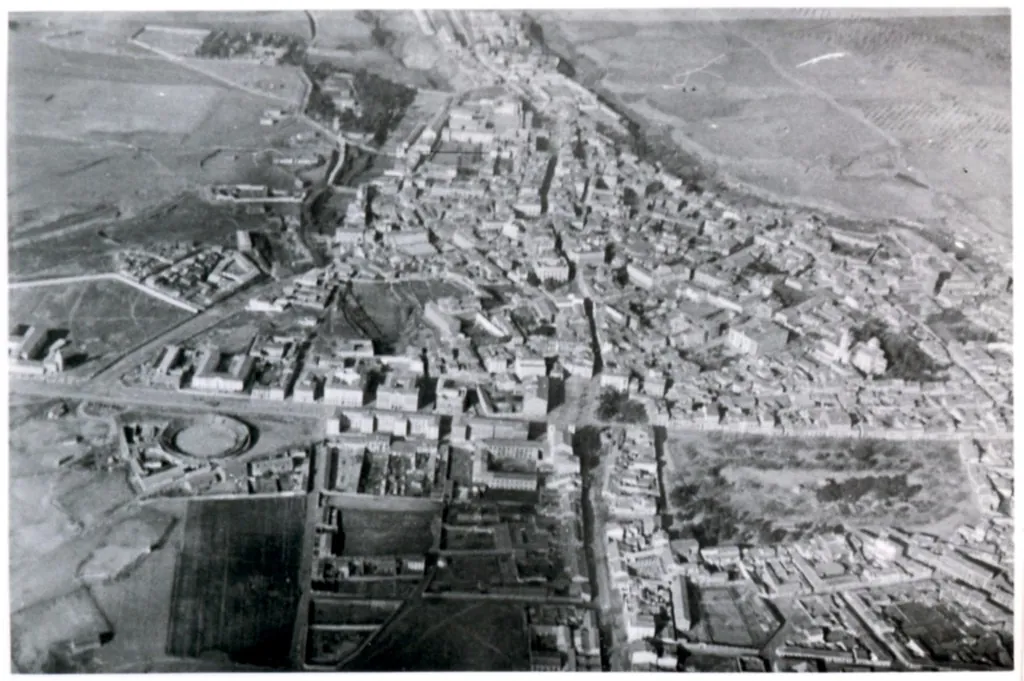
El casco urbano es compacto y se adapta a la pendiente. Las calles son cortas y no forman una retícula regular; más bien parecen haberse ido acomodando al relieve con el tiempo. No hay avenidas. Las casas se agrupan en manzanas irregulares, con muros de mampostería y teja curva, típicos de la arquitectura popular alcarreña.
Muchas viviendas conservan portones de madera que dan acceso a patios interiores. En algunos aún se ven útiles de labranza, leña apilada o pequeñas construcciones auxiliares, un reflejo de la vida agraria que ha sostenido al pueblo.
La iglesia parroquial de San Pedro preside el conjunto. La fábrica actual es del siglo XVI, con reformas posteriores. Es un edificio sobrio, coherente con el carácter de un municipio agrícola. Su torre funciona como referencia visual desde los campos de alrededor; para quien vuelve por los caminos, marca la posición del pueblo en el llano.
El embalse y el cambio del paisaje
Hacia el sur, el terreno desciende suavemente hasta el embalse de Buendía. Desde algunos puntos del camino se aprecia cómo el agua se introduce entre las lomas bajas, creando una línea azul entre los pinares y los cultivos. El contraste entre el secano y la lámina de agua define ahora buena parte del entorno.
El pantano ha incorporado actividades nuevas, como la pesca o el paseo en barca en zonas autorizadas. Sin embargo, el ambiente no es el de una zona turística al uso; sigue predominando el carácter rural. El embalse es un elemento más del paisaje, pero no ha borrado los fundamentos agrarios de la zona.
Pinares y caminos de tierra
Alrededor del núcleo urbano se extienden pinares de carrasco y negral, con un sotobosque de matorral mediterráneo. Estos montes se han usado tradicionalmente para el paseo, la caza menor o la recogida de leña.
Varios caminos rurales salen del pueblo hacia los campos. No están señalizados como rutas de senderismo, pero son transitables y permiten entender la organización del territorio: cómo se suceden las parcelas de cereal, los olivares y el monte bajo. Caminar por ellos muestra la transición práctica entre lo cultivado y lo forestal.
En otoño, parte de la población sale a buscar níscalos por estos pinares. Como en cualquier medio rural, conviene conocer el terreno y respetar las normas locales sobre recolección.
El interés de este campo no está en grandes hitos paisajísticos, sino en los detalles cotidianos: la textura de la tierra seca, el trazado de las bancales o la línea constante de los pinos contra el cielo.
La mesa de la Alcarria
La cocina local sigue los patrones de la Alcarria. Son habituales los platos de cuchara, propios de los meses fríos y del trabajo en el campo. En las casas se mantienen recetas derivadas de la matanza, así como guisos con carne de caza menor.
La miel tiene también una presencia constante. La comarca tiene tradición apícola, y muchas colmenas se distribuyen por las lomas cercanas. El paisaje de monte bajo y pinar proporciona el entorno para esta actividad, que sigue formando parte de la economía y la identidad local.
Son sabores directos, sin elaboración compleja, que reflejan los productos del campo y los bosques del entorno.
El ritmo anual del pueblo
El calendario festivo mezcla celebraciones religiosas con actos populares que reúnen a los vecinos y a quienes regresan en épocas vacacionales. Las fiestas patronales en honor a San Pedro concentran buena parte de esta actividad.
En invierno se celebra San Antón, con costumbres vinculadas al mundo rural. También hay una Semana Santa modesta, similar a la de otros pueblos de la comarca. No son eventos de gran escala, pero cumplen una función social importante en una población reducida.
Fuera de las fechas señaladas, la vida diaria se ordena según rutinas conocidas: las tareas agrarias, el aprovechamiento del monte y el ciclo estacional marcan todavía el paso del tiempo en Villalba del Rey.
Cómo llegar y moverse por la zona
Villalba del Rey está en la provincia de Cuenca, dentro de la comarca de La Alcarria. Se llega por carretera desde la capital provincial o desde el corredor que conecta con Tarancón. El acceso ya anuncia el paisaje que define el municipio: campos abiertos que van dando paso a lomas cubiertas de pino.
El casco urbano se recorre a pie en poco tiempo. Su escala hace sencillo caminar por sus calles. Sin embargo, gran parte del interés está fuera del último edificio. Los caminos rurales, los pinares y los descensos hacia el embalse ofrecen una perspectiva más amplia sobre cómo se relaciona el asentamiento con su entorno.
Pasar tiempo por estas zonas ayuda a entender el equilibrio entre tierra cultivada y forestal, entre las prácticas rurales tradicionales y la presencia más reciente del pantano. En Villalba del Rey, el viaje está ligado a ese paisaje. El pueblo y su entorno forman un solo escenario, modelado por la altitud, el agua y el trabajo constante del campo.