Full Article
about Villas de la Ventosa
Municipality made up of several settlements; La Ventosa and its church stand out.
Hide article Read full article
A Small Village That Keeps Its Own Pace
Some places feel like a grandparent’s house where everything has sat in the same spot for years. Not because anyone planned it that way, but because it has always worked. Villas de la Ventosa, in the heart of the Alcarria region of Cuenca, carries a little of that atmosphere. It is a small village, with around two hundred residents, where time has not stopped yet never seems in a hurry.
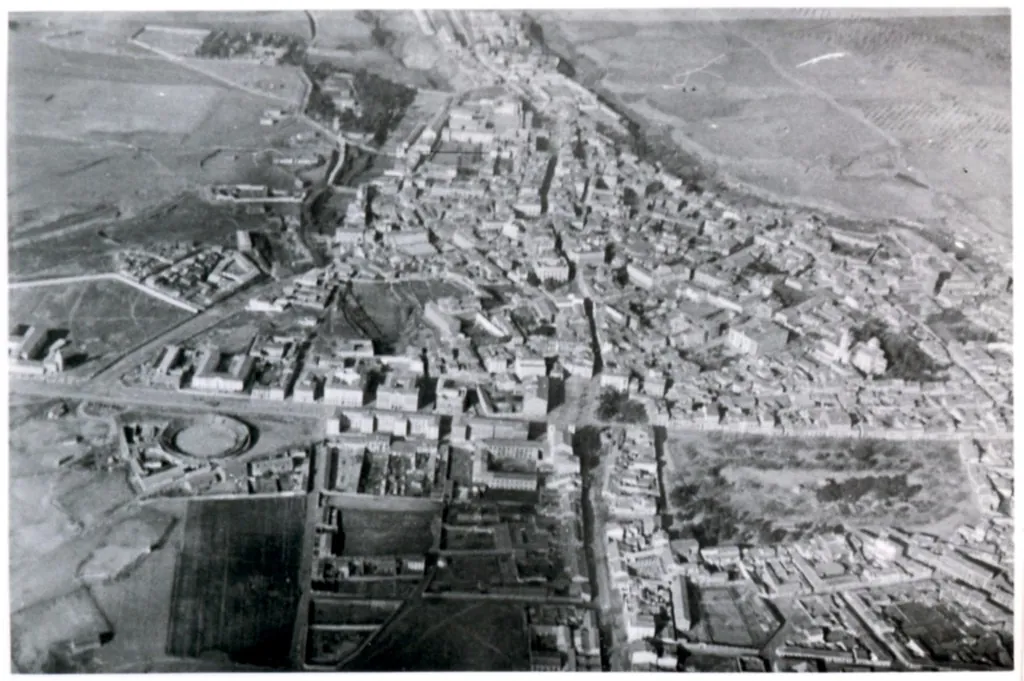
Arrival brings a particular kind of quiet. It is not a grand, reverent silence, but the everyday hush of a Tuesday in a small Spanish village. A door closes somewhere. A car passes slowly. The wind nudges a loose sheet of metal in a yard. Within ten minutes it is easy to get your bearings. Two main streets shape the centre, with several others slipping downhill. Stone and adobe houses line them, built with whatever materials were available, as if someone assembled a sturdy shelf from a few planks and found it would last for decades.
The Village and Its Rhythm
The layout follows the practical logic seen across many villages in La Alcarria. Homes cluster together in a compact, functional way, without unnecessary decoration. Thick walls help against winter cold and summer heat. Red roof tiles top the buildings. Wooden balconies have weathered many long seasons.
The church of San Andrés stands where such churches usually do, calmly marking the centre of village life. Its origins are old, though later alterations have reshaped it over the centuries. It does not dominate the skyline or compete for attention. Instead, it sits naturally within its surroundings, much like an old farming tool that blends into the landscape through constant use.
A walk through the village does not take long. Half an hour is enough at a gentle pace. Stay a little longer and small details begin to stand out: interior courtyards glimpsed through open gateways, heavy wooden doors, a stretch of stonework that looks older than the rest of the façade. The appeal lies in these quiet observations rather than in grand monuments.
Paths Across the Alcarria Landscape
Villas de la Ventosa truly opens up once you step beyond the built-up area. Dirt tracks appear almost immediately, winding between low hills. This stretch of La Alcarria is defined by gentle rises, open countryside and vegetation that copes well with strong sun.
Walking here feels like taking a long stroll after a family lunch. There are no major landmarks or dramatic viewpoints. Gradually, though, the landscape draws you in. Thyme and rosemary release their scent in warm weather. Cereal fields stretch across flatter sections. The horizon runs wide and seems to go on without end.
On clear days distant mountain ranges become visible. They do not dominate the view. Instead, they form a faint blue line far away, similar to the thin band of sea you might glimpse from a great distance.
Signposts are not always precise. Many of these routes are traditional paths, the kind that once linked neighbouring villages or led to farmland. People here still rely on a simple method that has worked for generations: asking someone who lives locally.
Eyes on the Sky
The skies above this part of Cuenca are often busy. Birds of prey circle slowly, carried by thermal currents that rise from the hills. Kites and buzzards appear regularly, and sometimes a faster silhouette crosses from one side to the other.
Villas de la Ventosa is not known as a major birdwatching destination. What it does offer is something that can be hard to find elsewhere: quiet. Sit on a rock, look up and wait. The experience resembles watching clouds drift past, trying to pick out shapes as they shift.
This sense of space, both above and around, shapes much of the village’s character. The open land and active sky create a feeling of breadth that contrasts with the compact streets.
Food in the Alcarria Tradition
Local cooking follows the straightforward logic of La Alcarria. Dishes are rooted in the countryside and shaped by the seasons. Roast lamb features prominently. Hearty stews appear when colder weather sets in. After good rainfall, mushrooms are gathered and find their way into the kitchen.
Honey forms part of the region’s identity. Production in this comarca stretches back centuries. It is one of those foods that needs little explanation locally. It has long been present on the table, part of daily life rather than a novelty.
There is nothing elaborate about the cuisine. Meals are the kind that leave you feeling satisfied, perhaps ready for a short walk afterwards to clear your head. The emphasis rests on substance and familiarity rather than presentation.
Festivals and Village Life
Celebrations follow patterns common to small Spanish villages. During the summer, many people who moved away return for a few days. The atmosphere changes as streets fill with familiar faces and conversations stretch late into the evening.
Patron saint festivities usually centre on masses, gatherings among neighbours and simple activities organised for the community. San Isidro, closely linked to the agricultural calendar, is also celebrated. There are no large stages or packed programmes. Events feel more like reunions, where most people recognise one another.
These moments offer a glimpse of how strongly ties to the land and to family remain woven into daily life. The scale stays modest, but the sense of continuity is clear.
Reaching Villas de la Ventosa
Villas de la Ventosa lies in the province of Cuenca, within the comarca of La Alcarria, not far from the boundary with Guadalajara. The approach follows secondary roads that cut through open fields and pass small villages. Driving here feels unhurried, the sort of journey where the road itself becomes part of the experience.
It helps to arrive with realistic expectations. Villas de la Ventosa does not attempt to impress with spectacle. The reward comes from simple things: a walk through the compact centre, time spent on the surrounding tracks, a pause to sit and look across the fields.
A few hours are enough to understand its rhythm. The village moves steadily, anchored in routine and landscape. Sometimes that is more than enough.