Full Article
about Villaseca de Henares
Small town on the Henares plain; Romanesque church
Hide article Read full article
Villaseca de Henares: un pueblo de la Alcarria Alta
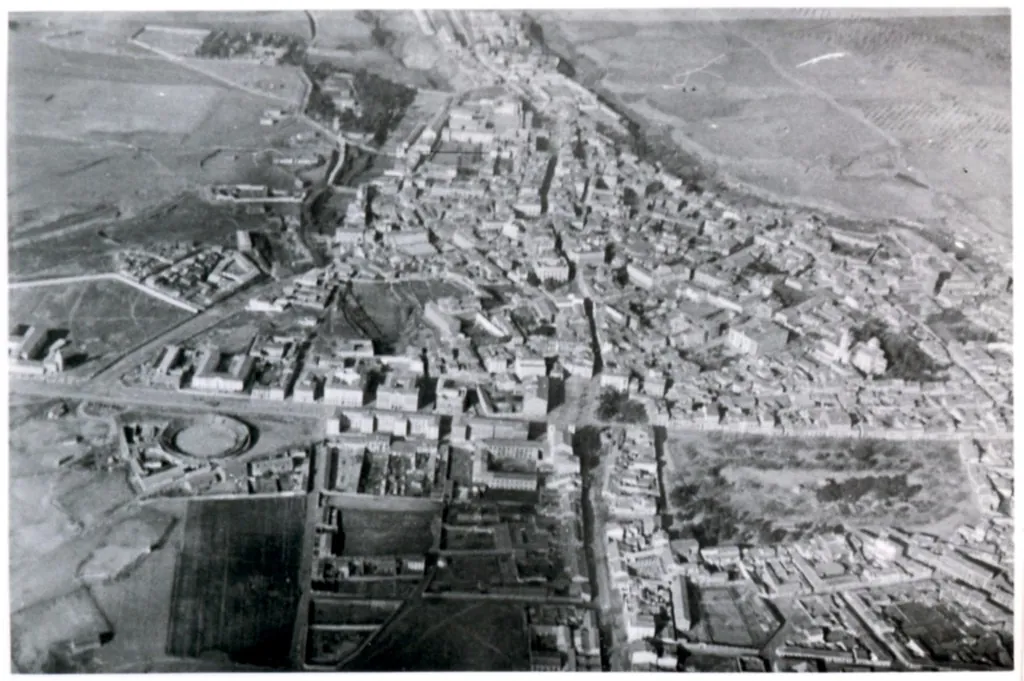
Villaseca de Henares se encuentra en la Alcarria Alta, en la provincia de Guadalajara. El pueblo ocupa una posición elevada sobre el valle del río Henares, que aquí ya ha perdido la estrechez de su curso alto pero no ha alcanzado la llanura. La vista desde el caserío abarca un paisaje de cerros suaves, campos de cereal y barrancos que descienden hacia el cauce.
La población censada es de veintidós personas. La cifra explica el silencio que domina el lugar fuera del verano y de algunos fines de semana, cuando regresan antiguos vecinos y familias con casa en el pueblo. Entonces se abren puertas y ventanas que permanecen cerradas gran parte del año.
Se llega por carreteras comarcales que atraviesan terrenos de labor y monte bajo. Las casas, agrupadas en un núcleo compacto, están construidas principalmente con mampostería de caliza, con algunos tramos de tapial y tejados de teja árabe. Se conservan varias viviendas con la estructura tradicional de la zona: vivienda, corrales y dependencias agrícolas dispuestas en torno a un patio cerrado. También hay ruinas y muros derruidos, restos de un poblamiento más extenso antes del éxodo rural del siglo XX.
No hay monumentos destacados ni reclamos turísticos. El interés está en el conjunto del asentamiento y en la relación directa entre las casas y el campo que las rodea.
El trazado del pueblo y el campo inmediato
Las calles son cortas y se adaptan a la pendiente natural del terreno. En las construcciones más antiguas se ven muros de piedra gruesos y ventanas pequeñas, una respuesta práctica a un clima de inviernos fríos y veranos secos.
En el centro se alza la iglesia parroquial, dedicada a San Blas. La fábrica parece del siglo XVI, con reformas posteriores probablemente del XVIII, algo habitual en las iglesias rurales de la provincia. La construcción es sobria, casi sin ornamentación. Su importancia no es tanto arquitectónica como de referencia: en un núcleo de este tamaño, la torre marca el punto central.
Pasada la última casa, los campos de cultivo llegan hasta las laderas cubiertas de monte mediterráneo. No hay senderos señalizados, pero se puede caminar por los caminos agrícolas que rodean el pueblo. En las zonas más abiertas es relativamente frecuente ver aves planeando sobre los barrancos. El buitre leonado no es raro en esta parte de Guadalajara, y con algo de paciencia también se pueden observar cernícalos.
La vegetación cambia de forma notable con las estaciones. En primavera, el tomillo y las aliagas crecen en los linderos, junto con otras plantas de porte bajo. El otoño trae tonos más apagados, una vez cosechado el cereal y cuando los barbechos dominan el terreno. En las horas más tranquilas del día, especialmente al amanecer o al anochecer, a veces se ven corzos moviéndose entre los campos.
Quien preste atención a los detalles encontrará muchos elementos propios de la arquitectura rural alcarreña: portones de madera, muros de mampostería irregular y cerramientos de piedra seca para los animales. Son huellas de una economía agroganadera que organizó la vida aquí durante siglos.
Por la noche apenas hay iluminación exterior. Con el cielo despejado, la oscuridad es notable y la Vía Láctea se distingue con claridad.
En el pueblo no hay bares, tiendas ni otros servicios. Quien planee pasar varias horas en la zona debe llevar agua y comida.
Los ritmos anuales y los encuentros
Las reuniones más visibles suelen producirse en verano, cuando vuelven las personas con familia o propiedad en Villaseca. Son encuentros sencillos, vinculados a los vecinos y a quienes mantienen el vínculo con el pueblo.
Como en muchos lugares de la Alcarria, la matanza del cerdo fue durante generaciones un hecho central de la vida doméstica invernal. Proporcionaba carne y conservas para los meses siguientes. Hoy, donde se mantiene la práctica, queda en el ámbito familiar, no como una fiesta pública.
El calendario social es, por tanto, modesto y en gran parte privado. El ritmo lo marcan más las estaciones que los eventos organizados.
Cómo llegar y cuándo visitar
Villaseca de Henares está a unos setenta kilómetros de la ciudad de Guadalajara. Lo habitual es tomar la autovía A-2 hacia la zona de Torija y después seguir por carreteras comarcales que se adentran en la Alcarria. Los últimos tramos son carreteras estrechas con muy poco tráfico.
La primavera y el otoño son generalmente las épocas más agradables para caminar por los alrededores. Las temperaturas suelen ser más suaves y los cambios en la vegetación son más evidentes. El verano puede ser muy caluroso durante el día, aunque las noches son frescas. El invierno resulta severo, con viento, heladas y un silencio denso alrededor del pueblo. Para quien quiera entender cómo es hoy buena parte del interior de la Alcarria, ese silencio forma parte del paisaje.
Villaseca de Henares no tiene grandes vistas ni atracciones organizadas. Su carácter lo definen su escala reducida, sus construcciones tradicionales y sus campos abiertos. La experiencia aquí se centra en calles quietas, tierra labrada y cielos amplios, no en monumentos o servicios.