Full Article
about Puerto de San Vicente
Westernmost municipality in Toledo; right in the Altamira mountains
Ocultar artículo Leer artículo completo
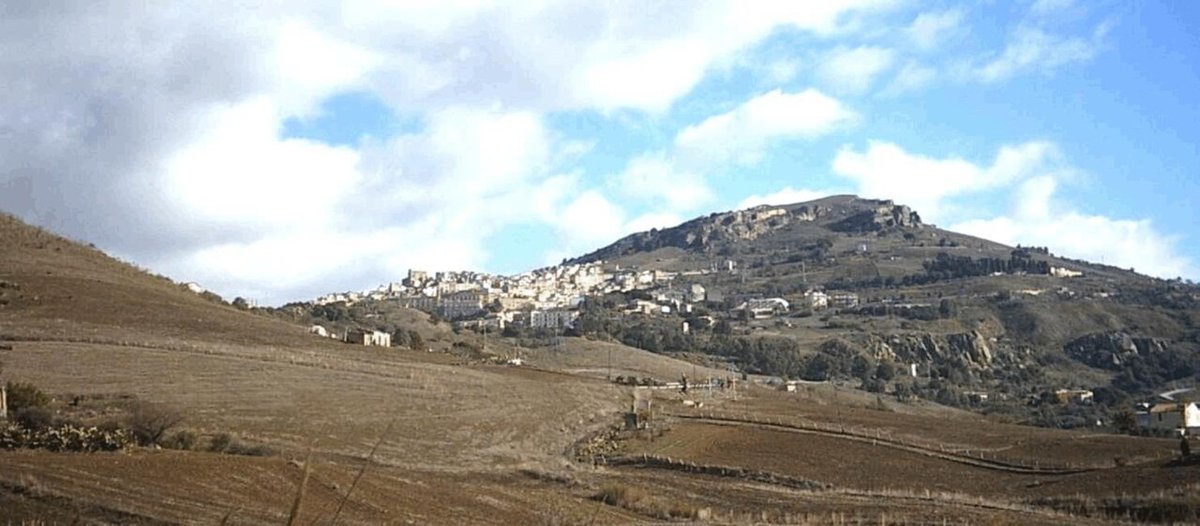
The village appears suddenly after twenty minutes of hairpin bends. One moment you're navigating granite outcrops and cork oak forest, the next Puerto de San Vicente materialises—148 stone houses clinging to a mountain pass at 736 metres, their terracotta roofs the only warm colour in a landscape of ochre and sage.
This isn't somewhere you stumble upon accidentally. The road from Toledo demands commitment: ninety kilometres that swallow an hour and a half, the final stretch a narrow ribbon where meeting an oncoming vehicle requires reversing to the nearest lay-by. But that's precisely the point. Puerto de San Vicente functions as Spain's antidote to the Costa del Sol, a place where the loudest sound is the church bell marking the hours and the evening entertainment involves counting constellations rather than sangrias.
The Architecture of Absence
Walk the single main street at 3pm in August and you'll understand why locals joke the village has more houses than people. Many dwellings stand empty, their wooden doors painted traditional cobalt blue now faded to grey, their iron balconies sprouting wild geraniums that nobody planted. These aren't ruins—they're weekend houses for families who fled to Toledo and Madrid during the rural exodus, returning only for fiestas or the November mushroom season.
The exceptions prove revealing. Near the ermita de San Vicente, Doña Pilar's house still displays its original 19th-century stone masonry, the walls two metres thick keeping interiors cool even when summer temperatures nudge 35°C. Her neighbour has converted his grandfather's hay loft into a photography studio, though he admits to spending more time photographing griffon vultures than clients. The village's architectural uniformity isn't contrived heritage—it's simply what happens when nobody bothers to build anything new for seventy years.
Mountain Time
Altitude changes everything. While Toledo swelters at 515 metres, Puerto de San Vicente's extra 221 metres translate to mornings cool enough for wool jumpers even in July. The climate divides the year into two distinct acts: May through October, when the village serves as base camp for hikers exploring the Montes de Toledo; November through April, when Atlantic storms can cut the road for days and the handful of permanent residents retreat into their shells like the resident tortoises.
Spring arrives late here. Where almond trees bloom in February on the coastal plains, Puerto de San Vicente's blossoms wait until April, creating a compressed season of explosive growth. Wild asparagus pushes through roadside verges, locals forage for pennyroyal to make tea, and the air fills with the sound of bee-eaters returning from Africa. Autumn works in reverse—October paints the holm oaks bronze while the village prepares for the annual mushroom harvest that draws more visitors than any tourist campaign.
The Hunter's Pantry
Food here follows the rhythm of the forest rather than restaurant seasons. In October, when the first rains awaken the mycelium, conversations centre on níscalo locations—locals guard these like state secrets. The village's single bar (open weekends only, hours variable) serves migas made with breadcrumbs from yesterday's bread, chorizo from the neighbour's pig, and grapes from the vine shading the terrace. It's hearty fare designed for people who've spent six hours tracking wild boar through chestnut forest.
The real culinary education happens by invitation. During January's matanza, families still gather to slaughter their annual pig, transforming every part into chorizos, morcilla, and manteca colorá. Visitors fortunate enough to witness this emerge understanding why jamón ibérico costs £80 a kilo—the process involves twelve people, three days, and skills passed down through generations. The resulting products sustain the village through winter, each family developing their own paprika blend kept in unmarked jars.
Walking Without Ways
Puerto de San Vicente offers something increasingly rare in Europe: kilometres of walking routes without waymarkers, apps, or souvenir shops. The paths exist—they're the ancient drove roads that connected La Mancha's sheep trails to Extremadura's markets—but you'll need local knowledge or serious navigation skills. Head south from the village and you'll drop into the Guadyerbas valley, where griffon vultures nest in cliffs and the only sound is your boots on granite. Walk north and you hit the raña, high plateaus where stone pine give way to dehesa so open you can see twenty kilometres to the Gredos mountains.
The catch? There's no rescue service. Mobile coverage dies two kilometres from the village, water sources are seasonal, and summer temperatures can hit 40°C in the valleys. Spanish hikers arrive with 3-litre hydration packs and emergency whistles; British visitors used to the Lake District's gentle gradients often underestimate both the terrain and the climate. The rule is simple: if you wouldn't walk it in the Brecon Beacons in August, don't attempt it here.
The August Invasion
For fifty-one weeks annually, Puerto de San Vicente sleeps. Then August arrives and the population explodes from 148 to 500 as former residents return for the fiestas de San Vicente. The village square, silent since September, fills with folding tables for the communal paella. Teenagers who've grown up in Madrid discover their grandparents still keep the house keys on the same nail. The single shop reopens, selling warm beer and tinned sardines to people who remember when it stocked fresh bread daily.
It's touching and slightly tragic. The returning generation, now in their forties and fifties, speak to their children in hesitant English—"We used to play here, your abuela grew tomatoes against that wall." Their kids, Madrid-born and iPhone-fluent, post Instagram stories labelled "authentic Spain" while filtering out the elderly neighbours who represent the reality they're documenting. By August 25th, the exodus reverses. The last car disappears around the mountain bend, taking the future with it and leaving the past to rattle around in empty houses.
Practical Realities
Getting here requires accepting that Puerto de San Vicente isn't designed for tourism. There's no hotel, no rental cottages, no cash machine. The nearest accommodation lies twenty kilometres away in Navahermosa—a functional three-star where rooms cost €45 and the restaurant closes at 10pm sharp. Your best bet involves contacting the village association (email only, response time variable) who might arrange a room in someone's cousin's house for €25, shared bathroom and breakfast featuring eggs from actual village hens.
Visit in May for wildflowers and temperatures perfect for walking, or October for mushroom season and autumn colours. Avoid July-August unless you enjoy sharing mountain trails with Madrid's weekend warriors driving rented 4x4s. Bring cash—nobody accepts cards—and download offline maps before arrival. Most importantly, adjust expectations: Puerto de San Vicente offers silence, space, and a glimpse of rural Spain that's vanishing elsewhere. It does not provide Wi-Fi, spa treatments, or artisan gin.
The village will still be here in twenty years, unchanged and unchanging, while Spain's coasts transform beyond recognition. Whether that's promise or warning depends entirely on what you're seeking.