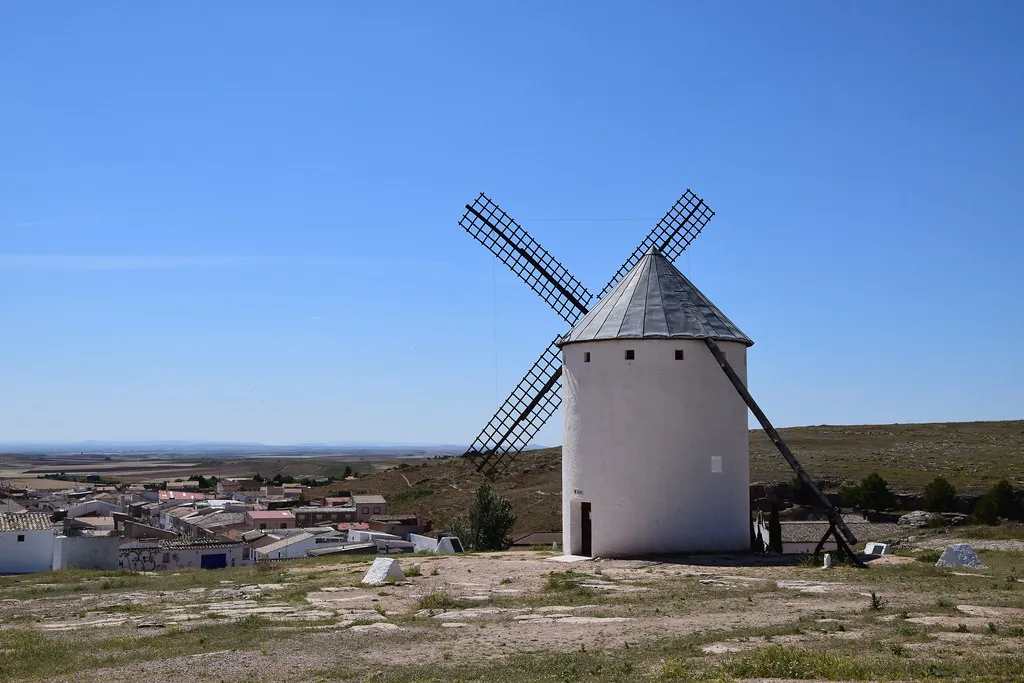
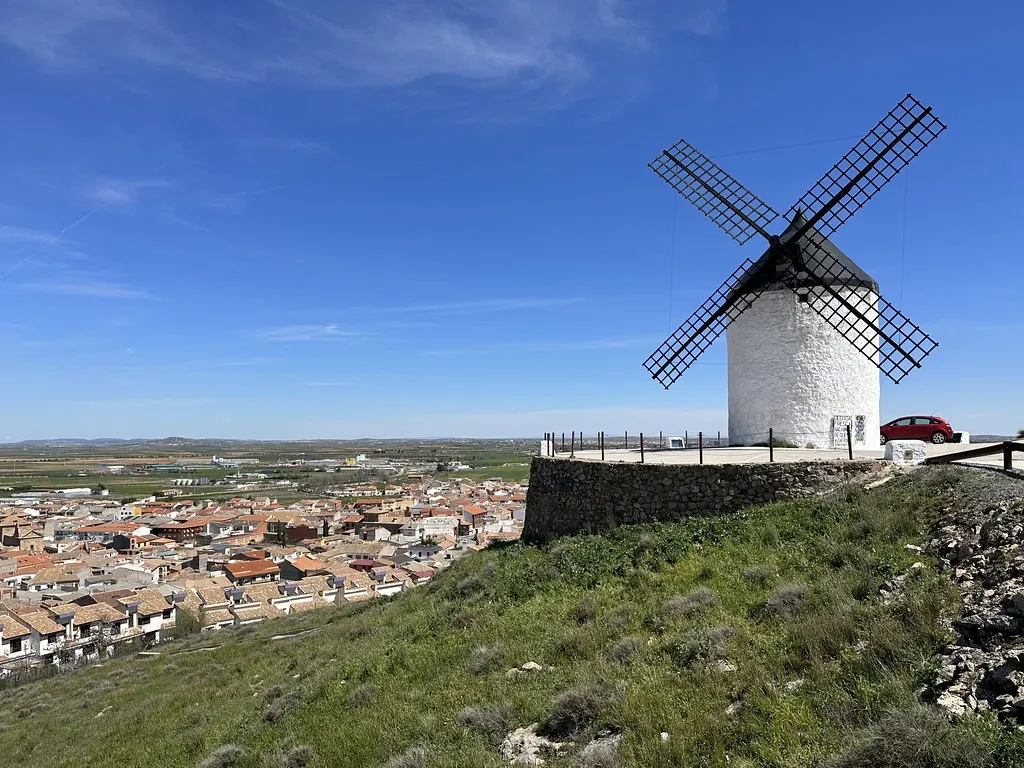
Vista aérea de Altarejos
Instituto Geográfico Nacional · CC-BY 4.0 scne.es
Castilla-La Mancha · Land of Don Quixote

Altarejos

The church bell tolls twice. Nothing else moves. At 880 metres above sea level, Altarejos sits high enough for the air to feel thinner, drier, and ...

193 inhabitants · INE 2025
880m Altitude

Why Visit

Mountain Church of the Assumption Hiking

Best Time to Visit

summer

Virgen de la Torre festival (September) septiembre

Things to See & Do
in Altarejos

Heritage

  • Church of the Assumption

Activities

  • Hiking
  • Small-game hunting

Festivals
& & Traditions

Fecha septiembre

Fiestas de la Virgen de la Torre (septiembre)

Las fiestas locales son el momento perfecto para vivir la autenticidad de Altarejos.

Full Article
about Altarejos

Small village where the plain meets the sierra; landscape of holm oaks and crops

Ocultar artículo Leer artículo completo

The church bell tolls twice. Nothing else moves. At 880 metres above sea level, Altarejos sits high enough for the air to feel thinner, drier, and for sound to carry further than seems natural. Two hundred souls, a handful of stone houses, and fields that roll away until they meet the horizon—this is Castilla-La Mancha stripped of windmills and Don Quixote souvenirs.

Up in the Grain Belt

Most maps stop bothering with detail once you leave the A-3 motorway. Keep heading south-west from Cuenca for 70 km, climb the CM-210, and the tarmac narrows. Wheat and barley replace the vineyards you passed lower down; the only vertical features are occasional holm oaks and the village itself, perched on a low ridge. The change in altitude matters: nights are cool even in July, and winter brings sharp frost that lingers in the shadows until noon. If you arrive after heavy rain, the final approach can turn into a greasy clay track—hire cars with worn tyres have been known to slide backwards.

There is no petrol station, cash machine, or supermarket. The single bar opens when its owner, Julián, feels like it; if the shutter is down, the next coffee is 12 km away in Huerta de la Obispalía. Phone signal flickers in and out depending on which way the wind blows. These omissions are not advertised, yet they define the place more than any brochure highlight ever could.

A Village that Refuses to Pose

Altarejos will not entertain anyone hunting for medieval arcades or tiled plazas. The parish church of San Pedro—rebuilt in 1712 after a fire—has a plain façade the colour of burnt cream and a bell-tower that leans slightly north. Inside, the timber roof is painted a surprising Wedgwood blue, the work of a parish priest with a bucket of leftover paint in 1963. Walk the two main streets—Calle Real and Calle Nueva—in ten minutes and you will have seen every architectural variation: whitewashed cubes, timber doors bleached silver, the odd coat-of-arms jammed into a wall by someone who cared three centuries ago.

What keeps you looking is the light. At 1,600 m above sea level the sky feels closer, and the sun, unfiltered by humidity, picks out every groove in the timber and every ripple in the plaster. Photographers arrive for dawn, stay for dusk, and spend the middle hours drinking wine in the plaza because midday contrast is too brutal to be useful.

Footpaths without Signposts

Official hiking routes do not exist; instead there are agricultural tracks that end wherever a farmer decided to stop ploughing. Ask two locals for directions and you will receive three answers—take the third. A sensible circuit heads south past the cemetery, drops into the Rambla de Valdecabras, then climbs back past an abandoned threshing floor. The round trip is 7 km, gains 200 m, and delivers a view that stretches 40 km on a clear day. Spring brings green wheat and calandra larks; by late June the same fields have turned bronze and the only sound is your boots crunching stubble.

Summer walking demands discipline: start by 7 a.m. or forget it. Temperatures touch 35 °C but feel higher thanks to reflected heat off the limestone. Carry more water than you think—streams are seasonal and the bar may not be open when you return. Winter is the opposite: brilliant, icy, and often windy. Snow is rare but frost carves white veins across the plough furrows; a fleece, windproof, and gloves are non-negotiable.

Darkness Worth Travelling For

Light pollution maps show a black triangle between Cuenca, Valencia and Teruel; Altarejos sits in the middle of it. Walk 500 m beyond the last street lamp, lie on the track, and the Milky Way appears as a definite stripe, not a rumour. Bring a tripod and you can photograph Orion rising over the church tower without a filter. The village’s summer fiesta, held around the 15th of August, ends with a community barbecue and an informal star party on the threshing floor—local amateurs set up telescopes and hand out plastic cups of wine while Saturn’s rings draw gasps from children who have never seen them.

Food that Doesn’t Lecture

Manchego cuisine in these parts is subsistence cooking that forgot to move on. Order gazpacho manchego and you receive a stew of game bird—usually partridge—thickened with flatbread, not the chilled tomato soup Brits expect. Gachas, a paprika-spiked porridge once eaten by shepherds, arrives dense enough to hold a spoon upright; a splash of local olive oil transforms it from stodge to supper. Lamb is roasted whole in wood-fired ovens built into house walls; the crackling is salty, the meat almost sweet. Vegetarians should plan ahead: even the migas (fried breadcrumbs) traditionally contain chorizo fat. The nearest restaurant with a printed menu is in Campillo de Altobuey, 19 km away, so phone before you set off—kitchens close at 22:00 sharp.

Beds, Keys, and Other Practicalities

Accommodation within the village limits totals one: El Corralón House III, a two-bedroom cottage built from the same stone as the church. It has beams, a wood-burning stove, and a plunge pool that is usable from June to September if you are brave. Price hovers around €90 per night with a three-night minimum; the owner leaves a key under a flowerpot and instructions in hesitant English. Anything fancier means driving 35 km to the parador at Alarcón or settling for Cuenca’s boutique hotels.

There is no bank, so bring cash. The Covid years finished off the last village shop; bread arrives in a white van every Tuesday and Friday at 11 a.m.—join the queue or go without. Petrol is 18 km west in Motilla del Palancar; run the tank near empty and you will discover Spanish recovery trucks charge a premium for mountains.

When to Bother

April and late-September offer the kindest combination of mild days and cold nights. Wildflowers peak in May, but the wheat is still green and camera-friendly. August belongs to returning emigrants: the population quadruples, tractors are hosed down for the procession, and the plaza hums with gossip you will not understand. December and January are magnificent if you like your landscapes stark and your evenings silent; just remember that dusk starts at 17:30 and the cottage heating runs on metered butane that empties overnight.

Leave the guidebook phrases at home. Altarejos does not do “hidden” or “gem”; it is simply there, breathing thin air and minding its own business. Turn up expecting nothing more than a walk, a plate of something you cannot pronounce, and a sky full of stars, and the village will feel honest. Expect anything else, and the bell will still toll twice while you drive back down the hill wondering what you missed.

Key Facts

Region
Castilla-La Mancha
District
La Mancha
INE Code
16019
Coast
No
Mountain
Yes
Season
summer

Livability & Services

Key data for living or remote work

2024
Connectivity5G available
HealthcareHospital 22 km away
EducationElementary school
Housing~5€/m² rent · Affordable
Sources: INE, CNMC, Ministry of Health, AEMET

Official Data

Institutional records and open data (when available).

  • CERRO DE LA HORCA
    bic Genérico ~6 km

Planning Your Visit?

Discover more villages in the La Mancha.

View full region →

More villages in La Mancha

Traveler Reviews