Full Article
about Argamasilla de Alba
Where Cervantes was imprisoned and began Don Quixote; natural gateway to the Lagunas de Ruidera Natural Park.
Ocultar artículo Leer artículo completo
The clock in Plaza Mayor strikes two. Chairs scrape, cards slap wood, and the village falls into step with a siesta rhythm that hasn't changed since the 1950s. Argamasilla de Alba, population 5,000, doesn't do rush. It does white-washed walls that rebound the midday sun, a 16th-century palace with a dungeon-turned-literary-shrine, and bread that arrives at tables still warm from the wood-fired oven round the corner.
A Cellar that Started a Classic
Down a short flight of stairs beneath the Casa de Medrano, the air drops five degrees and the stone walls narrow. This is the Cave of Medrano, a cellar the size of a London studio flat where, according to local lore, Miguel de Cervantes began sketching Don Quixote while imprisoned in 1592. Whether the story survives rigorous scholarship is debatable; what survives is the smell of damp earth and the echo of footsteps that make even sceptical visitors lower their voices. Entry is free, the custodian unlocks on request, and the whole visit lasts seven minutes—long enough to read the wall panel and take a photo that will puzzle friends back home.
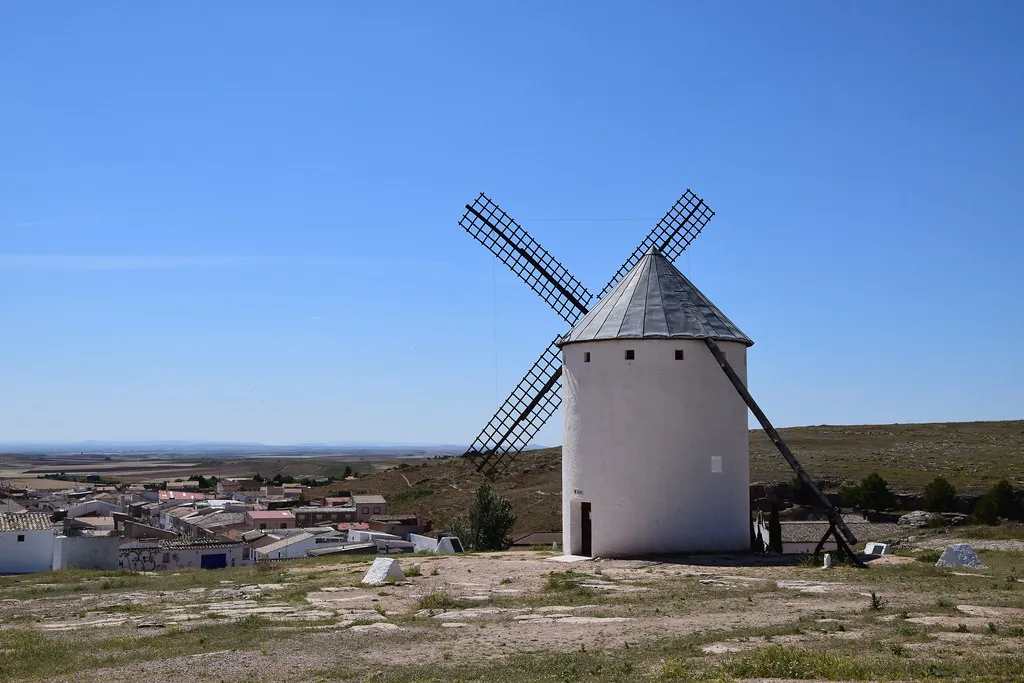
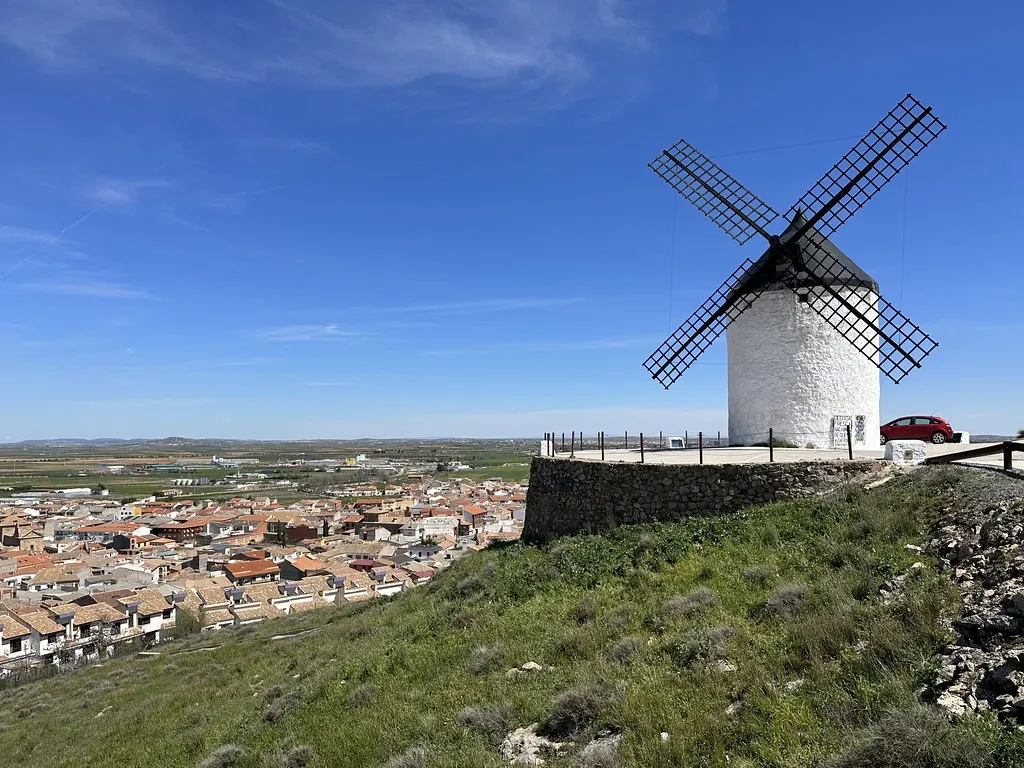
Upstairs, the palace itself is now the village museum. It contains a first-edition facsimile, a 17th-century printing press and a gallery of Quixote illustrations that range from romantic to frankly odd. Opening hours shrink in winter (10:00-14:00 Tue-Sat) and stretch in May for the Cervantine Festival, when actors in home-made armour clank through the courtyard re-enacting the duel with the windmills.
Bread, Wine and the Midday Lull
By 14:15 the only place still serving food is Bar Cristóbal on Calle San Pedro. Order the pisto manchego—a slow-cooked tangle of aubergine, pepper and tomato topped with a fried egg—plus a quarter-litre of house red and the bill struggles to reach nine euros. Vegetarians are catered for without fuss; vegans should ask for "sin huevo" and receive extra beans instead. Payment is cash only, so keep coins handy because the till refuses twenty-euro notes for anything under ten.
Shops roll down their shutters until 17:00. The bakery reopens with migas—fried breadcrumbs studded with garlic and scraps of pancetta—sold by weight in paper cones. If you arrive on Friday, join the queue for rosquillas de vino, doughnuts flavoured with aniseed and sweet wine that travel well in a hire-car glovebox.
Flat Horizon, Endless Sky
Argamasilla sits at 670 m above sea level, high enough for sharp spring mornings and night skies unpolluted by street lamps. The surrounding plateau is quilted with wheat, vines and the occasional olive grove; the only vertical features are medieval grain towers and, 3 km north, the ruined castle of Peñarroya. A farm track leaves from the football ground, climbs gently through vineyards and delivers a 360-degree view of Castile’s endless horizon. Allow an hour up and forty minutes down; carry water because there is no fountain and summer heat hits 40 °C by noon.
Cyclists find the CM-412 almost traffic-free at first light. Head south-east towards Villanueva de los Infantes and you roll 20 km of undulating tarmac with kestrels overhead and the smell of wild thyme drifting from the verges. Return against the wind—always against—then reward yourself with a chilled manzanilla in the plaza while the village grandfathers finish their card game.
When to Come, When to Stay Away
Late March to mid-May is the sweet spot. Temperatures hover around 20 °C, the wheat is green and crimson poppies splatter the fields. Accommodation is limited to two small hotels and a handful of rural casas rurales; prices sit between 45 € and 70 € a night including breakfast. Book ahead for the Cervantine weekend in early May when madrilenos motor down and every room sells out.
August is a furnace. Many restaurants close, the museum limits entry to mornings and the square empties except at 22:00 when locals re-emerge with deckchairs to catch the breeze. If you must come in high summer, sight-see at dawn, nap through the afternoon and dine after ten like everyone else.
Winter is quiet, bright and cold. Night frost is common but days usually reach 12 °C; the light turns honey-coloured and photographers have the streets to themselves. Some rural houses shut January-February, so check availability before booking flights.
Getting Here, Getting Fed, Getting Understood
There is no railway. From Madrid Barajas, take the A-4 south for 90 minutes, turn off at Manzanares and follow the CM-412 for 25 minutes across the plain. Public transport involves a train to Ciudad Real and a twice-daily bus that dumps you at the edge of town at siesta time—hire cars are cheaper and faster.
Park in any white bay; blue bays cost one euro a day and the machine accepts coins only. English is rarely spoken—download Spanish offline and learn "¿Cuándo cierra?" (when do you close?) to avoid hungry afternoons. ATMs exist but cards under ten euros are often refused; keep a tenner in small notes for emergencies.
If you need internet, the library on Calle Granero has free Wi-Fi and clean toilets. Opening hours mirror school terms, so weekends can be hit-and-miss.
An Honest Goodbye
Argamasilla de Alba will never feature on a list of Spain’s most beautiful villages. It lacks a dramatic gorge, a beach or a cathedral façade you’ve seen on Instagram. What it offers is something narrower and, for some, more valuable: the Spain that Spaniards keep for themselves—slow, courteous, cheap, and convinced that the best place to discuss politics is over a card table beneath a palm tree. Stay one night if you’re rushing, two if you’ve brought a paperback of Don Quixote and a tolerance for church bells every half-hour. Leave before the heat hardens or after the grain harvest turns the plain to gold, and you’ll carry away a memory not of spectacle but of rhythm—the quiet click of cards, the clink of coffee spoons, and the moment when a whole village pauses to watch the sun drop behind the wind turbines on the ridge.