Full Article
about Atalaya del Cañavate
Strategic crossroads on the highway; small farming settlement
Hide article Read full article
Atalaya del Cañavate: Un Poblado en el Llano
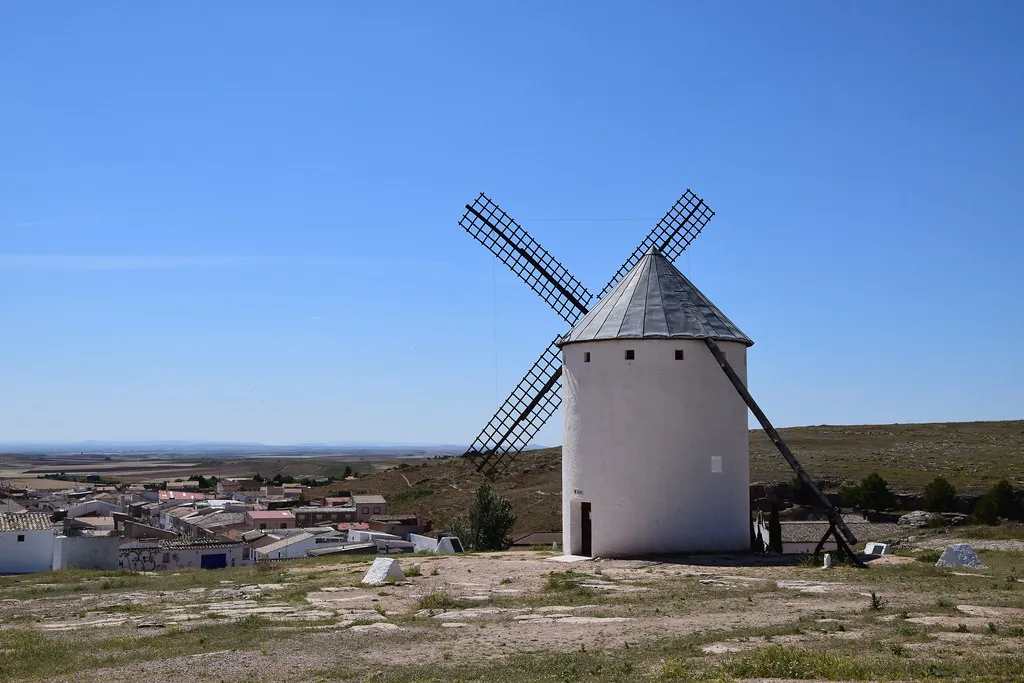
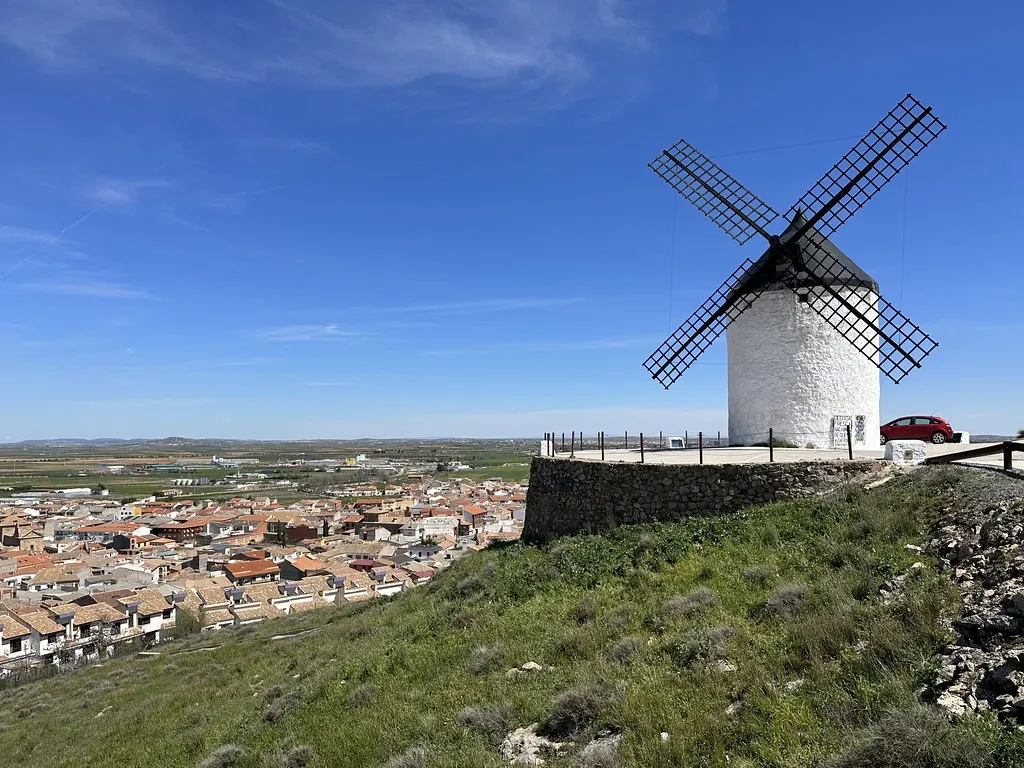
Atalaya del Cañavate es una pedanía del municipio de El Cañavate, en el sur de la provincia de Cuenca. El paisaje aquí es ya plenamente manchego: un llano agrícola extenso, sin interrupciones. El pueblo se asienta sobre una loma suave, a unos 900 metros, rodeado de campos abiertos. Tiene alrededor de noventa habitantes, una cifra que define su carácter: una comunidad pequeña, vinculada al calendario agrícola y a las relaciones de vecindad.
El topónimo explica su razón de ser. Una atalaya es un punto de vigilancia, y desde esta elevación se domina visualmente la llanura hacia el sur. En un territorio de horizontes largos, cualquier colina tenía valor estratégico. Lo que perdura hoy no es la función militar, sino la sensación de espacio.
La Iglesia y el Caserío
El edificio más reconocible es la iglesia parroquial de San Bartolomé. Se levanta junto a la pequeña plaza que hace las veces de centro. Su construcción parece corresponder a la Edad Moderna, probablemente del siglo XVI, con reformas posteriores. No es un templo monumental; responde al modelo de iglesia rural habitual en la zona, de trazas sencillas.
En el interior, el retablo mayor es barroco y de factura modesta, coherente con la religiosidad popular de las comunidades agrícolas. Su presencia habla del papel central que ha tenido la parroquia en la vida local.
Alrededor se agrupa el caserío de Atalaya del Cañavate. No hay un trazado urbano definido. Las casas se fueron construyendo según la necesidad, sin un plan preconcebido. Muchas son de mampostería, adobe o ladrillo, y muestran modificaciones a lo largo del tiempo. Algunas conservan la escala y los materiales tradicionales; otras tienen reformas más recientes.
La plaza frente a la iglesia concentra la actividad durante las fiestas. El resto del año es un espacio tranquilo, marcado por los ritmos del pueblo.
Campos de Cereal y Horizontes Abiertos
El paisaje que rodea al pueblo es el característico de La Mancha interior. Dominan las parcelas agrícolas grandes, dedicadas principalmente a cereal —trigo, cebada—, con algunas manchas de olivar y viña. En las zonas menos productivas queda monte bajo.
La sensación predominante es la amplitud. Desde los caminos que salen del pueblo se ven kilómetros de llanura cultivada, solo interrumpidos por lomas bajas o líneas de árboles que marcan lindes y caminos. No hay hitos espectaculares. El interés está en los cambios sutiles de luz, color y estación sobre los campos.
En estos espacios abiertos es relativamente frecuente ver aves propias del agrosistema cerealista. Según la época del año, pueden avistarse avutardas o cernícalos, junto con otras especies adaptadas a este medio. Los avistamientos dependen mucho del ciclo agrícola, que determina la disponibilidad de alimento y cobertura.
Por los Caminos Rurales
Varios caminos rurales parten del propio pueblo. Son vías de servicio, utilizadas por agricultores y vecinos para acceder a las parcelas. Son pistas de tierra compactada, generalmente llanas y fáciles de caminar. Sirven más para un paseo sin prisa que para una ruta de senderismo señalizada.
Siguiendo estos caminos se atraviesan tierras de labor y, en algunos tramos, se bordean lindes marcadas por piedra seca o vallados sencillos. No es un paisaje de grandes reclamos. Recompensa la atención al detalle: la maquinaria agrícola aparcada junto a las eras, los silos lejanos recortados en el cielo, los bandos de pájaros que levantan el vuelo desde el rastrojo.
La experiencia varía con el tiempo y la estación. Tras la siembra, los campos pueden parecer desnudos y expansivos. Más adelante, los brotes verdes o el grano maduro cambian por completo la paleta. La ausencia de infraestructuras grandes refuerza la sensación de continuidad entre el pueblo y el campo.
Fiestas y Vida Comunitaria
Las fiestas principales se celebran en torno a la festividad de San Bartolomé, en agosto. Como en muchos pueblos pequeños, esos días la población aumenta con los que regresan. Los actos suelen girar en torno a los oficios religiosos y las comidas compartidas, ya sea en la plaza o en casas particulares.
La Semana Santa también cuenta con procesiones sencillas, organizadas principalmente por quienes residen todo el año. Son actos modestos, acordes con el tamaño de la comunidad.
Fuera de estas fechas, la vida diaria sigue un ritmo más tranquilo. Las tareas del campo, las visitas sociales y los ciclos estacionales marcan el calendario más que el turismo o los eventos públicos.
Cuestiones Prácticas
Atalaya del Cañavate no cuenta con servicios turísticos como alojamiento o restaurantes. Para comer o para otros servicios, hay que dirigirse a localidades cercanas como El Cañavate o Honrubia.
Se suele llegar desde Cuenca tomando la carretera principal hacia el sur y luego los ramales locales que conectan con El Cañavate. Desde allí, un desvío corto conduce a la pedanía. El acceso en coche es sencillo; las opciones de transporte público son limitadas debido al tamaño del núcleo.
La primavera y el otoño son generalmente las estaciones más agradables para caminar por los alrededores. El verano trae días de calor intenso, aunque las temperaturas suelen bajar por la noche. En invierno, el viento y el frío se notan bastante en esta parte de La Mancha, dada la exposición del llano.
Atalaya del Cañavate no ofrece una lista de monumentos destacados. Su interés reside en su escala, en su posición elevada sobre los campos y en su continuidad con el paisaje agrícola. Para quien quiera ver la Castilla-La Mancha rural como se vive, no como se escenifica, este pequeño poblado sobre la loma da una visión clara, tanto literal como cultural, de una amplia extensión del llano manchego.