Full Article
about Cabezamesada
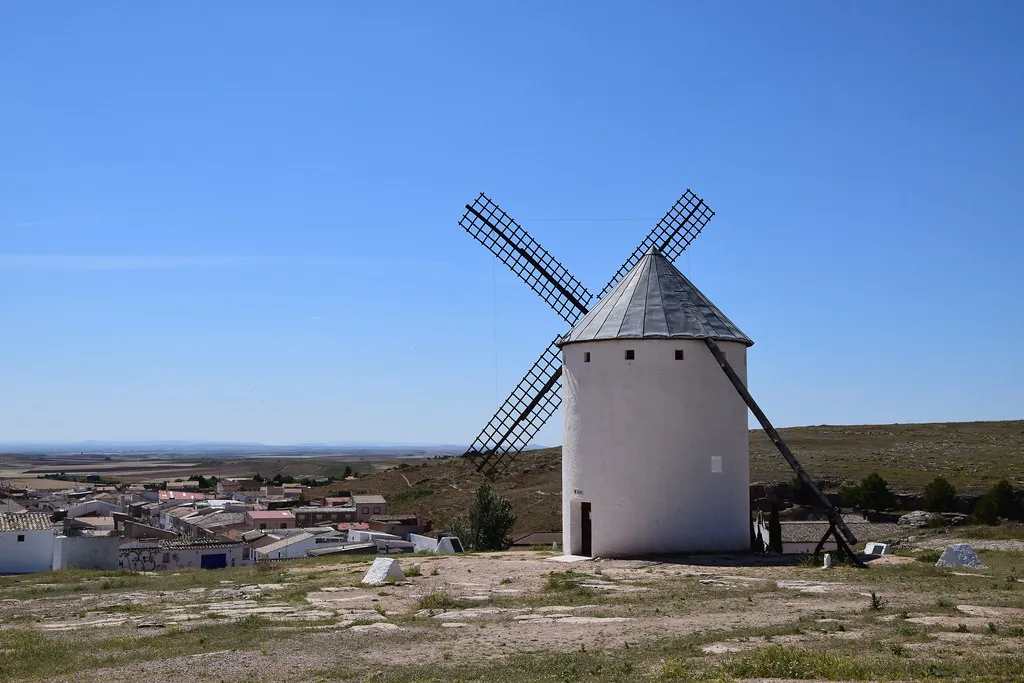
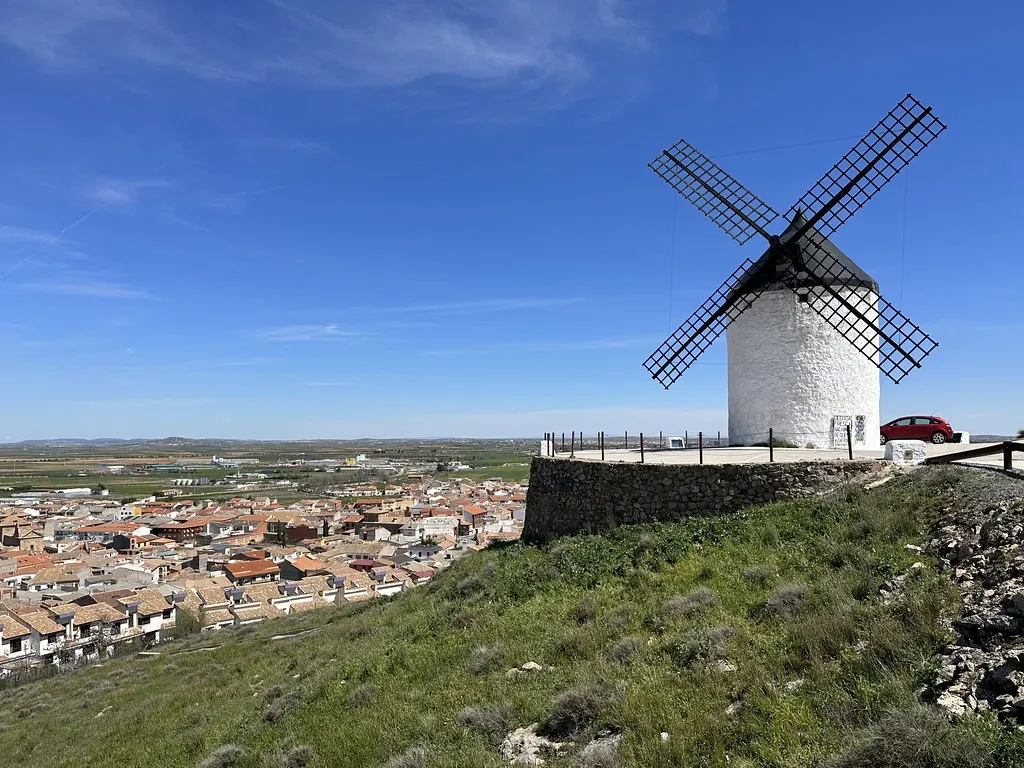
A typical La Mancha town; vineyards and cereal fields crossed by the Riánsares river.
Hide article Read full article
A Slow Sunrise in La Mancha
In winter, the sun takes its time reaching Cabezamesada. It first lights up the fields that surround the village and only later touches the whitewashed façades. At that early hour there are a few scattered footsteps, the rattle of a metal shutter being lifted, and the sound of a tractor heading off along the local road. The air often carries the smell of cold earth.
Cabezamesada lies in the heart of the Mancha toledana, the part of La Mancha that belongs to the province of Toledo. It is a small municipality, home to just over three hundred people. The houses cluster closely together, forming a compact centre where most streets are short and seem to end almost as soon as they begin, giving way to open countryside.
For generations, the landscape has set the rhythm here. Cereal crops dominate, with the occasional patch of vineyard breaking up the view. The fields shift in colour as the seasons turn, from fresh greens to pale yellows, marking the passage of time more clearly than any calendar.
The Parish Church at the Heart of It All
At the centre of the village stands the parish church of Santa María de la Antigua. Its walls are plain and whitewashed, and its bell gable rises above the rooftops, visible from almost any street. The church is usually dated to the 16th century, although later repairs and alterations have softened some of that age.
Inside, there is a quiet that holds even when the door is open. Pale walls, wooden pews and a handful of devotional images known to locals since childhood create a simple interior. It is not a grand monument. It functions more as a reference point. When the bells ring, the sound travels unobstructed across the village, spreading easily over the low roofs and out towards the fields.
Around the church, the houses remain modest in height. Many have large gateways that once allowed carts and farming tools to pass through. On some façades, old ceramic tiles with faded numbers can still be seen. Black metal grilles on the windows warm up in the afternoon sun, adding small details to otherwise plain exteriors.
Short Streets, Everyday Rhythms
Walking through Cabezamesada does not take long. In ten minutes, most of the built-up area can be crossed from one side to the other. The interest lies in the details rather than in distance. Plant pots rest directly on the ground outside front doors. In summer, shutters are often half lowered against the heat. Cats stretch out on the bonnets of parked cars, taking advantage of the warmth.
There are few signs and no explanatory panels. The village feels as though it continues to function primarily for those who live here, rather than for visitors passing through. Mid-morning brings a brief increase in movement along the main street. After that, calm settles in again.
This is not a place arranged around sightseeing stops. Daily life is visible in small gestures and routines, in doors opening and closing, in neighbours crossing paths. The scale remains human and manageable, shaped by agricultural work and long-standing habits.
Fields Without End
Step beyond the last row of houses and the plain opens up immediately. Agricultural tracks begin at the edge of the village and stretch out between wide plots of land. These are compacted dirt paths, used mainly by farmers as they move between fields.
In spring, cereal crops cover the ground in an unbroken green that ripples with the wind. By summer, the colour shifts to a pale yellow, and dust rises easily when a car passes. The horizon remains clear, with no nearby hills interrupting the view. Sky and land meet in a straight, open line.
Anyone walking along these tracks in the hotter months should carry water and wear a hat. Shade is scarce, and the sun falls directly on the plain for much of the day. The exposure is part of the experience. There are no trees lining the paths, no sudden cool corners. What defines the landscape is its breadth and its light.
The changes from one season to the next are gradual but noticeable. The fields alter tone week by week. Wind moves through the crops in waves. From just a few metres outside the village, the sense of space becomes complete.
Home Cooking and Local Produce
Food in Cabezamesada remains closely tied to the land. In local homes, migas are prepared from stale bread, a traditional way of making use of what is available. Slow-cooked stews appear regularly, designed to sustain long days of physical work. When warmer weather arrives, pisto is made with seasonal vegetables. Pisto is a Spanish dish similar to ratatouille, based on tomatoes, peppers and other garden produce.
Manchego cheese is a frequent presence on the table, often accompanied by wines from the surrounding area. There is no need for elaborate techniques or complex presentation. These are straightforward, hearty dishes shaped by agricultural life. They reflect practicality and continuity rather than innovation.
The cuisine matches the setting. Just as the village streets are compact and unadorned, the food is direct and rooted in what the fields provide.
Light, Heat and Dark Skies
Spring and early autumn are generally the most comfortable times to walk in the surrounding countryside. The light softens, and the fields shift in colour almost weekly. The air tends to be more forgiving, making longer strolls across the plain easier.
Summer heat builds from mid-morning onwards. During the hottest periods, the more bearable options are to head out early or wait until late afternoon, when the sun begins to lose some of its intensity. In winter, the wind can feel sharp and cold. Clear skies, however, bring very dark nights. Just a short distance from the village, once the lights are out, the stars appear with notable clarity.
Cabezamesada does not revolve around tourism. It is a small village that continues to follow its agricultural rhythm. That is precisely what shapes the experience of arriving here. There are quiet streets, an open horizon and the steady sound of wind crossing the sown fields.