Full Article
about Campos del Paraíso
Municipality made up of several settlements with Carrascosa as the main one; transition zone to the Alcarria
Ocultar artículo Leer artículo completo
The church tower rises like a ship's mast from a sea of terracotta roofs, visible for miles across the flat expanse of Castilla-La Mancha. At 890 metres above sea level, Campos del Paraíso sits high enough that the summer heat loses its edge, though winter mornings still bite hard enough to warrant the region's hearty stews.
This is Spain stripped of coastal glamour and Moorish flourishes. Instead, the village offers something increasingly rare: an agricultural community that hasn't pivoted to tourism, where the rhythm of life follows planting seasons rather than coach schedules. The 691 residents maintain traditions that predate package holidays, and their village reflects this continuity.
The Horizontal Horizon
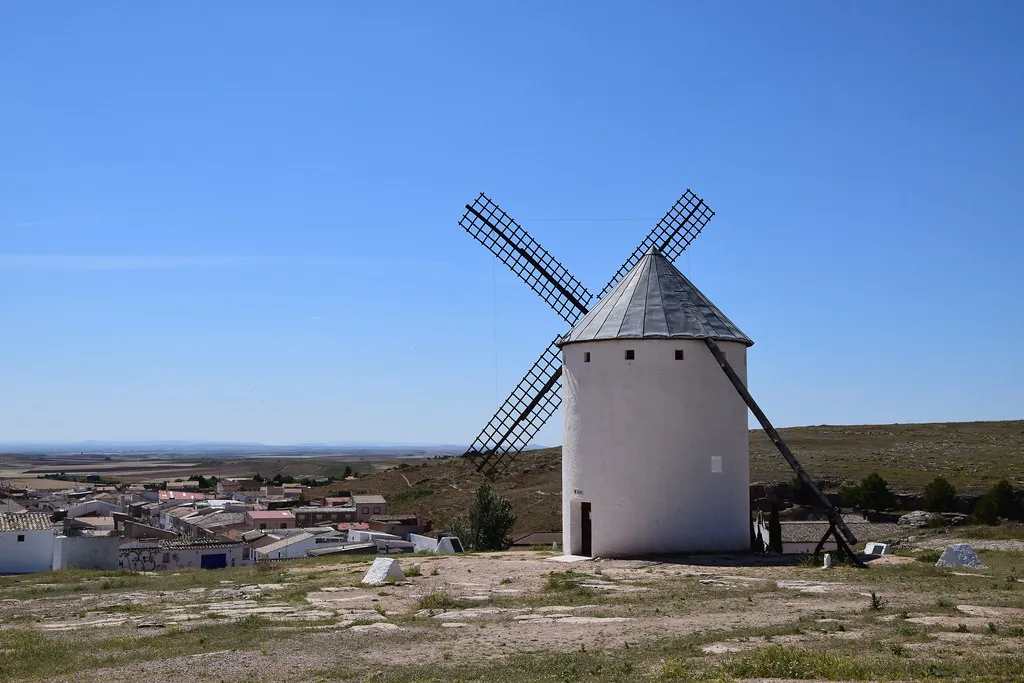
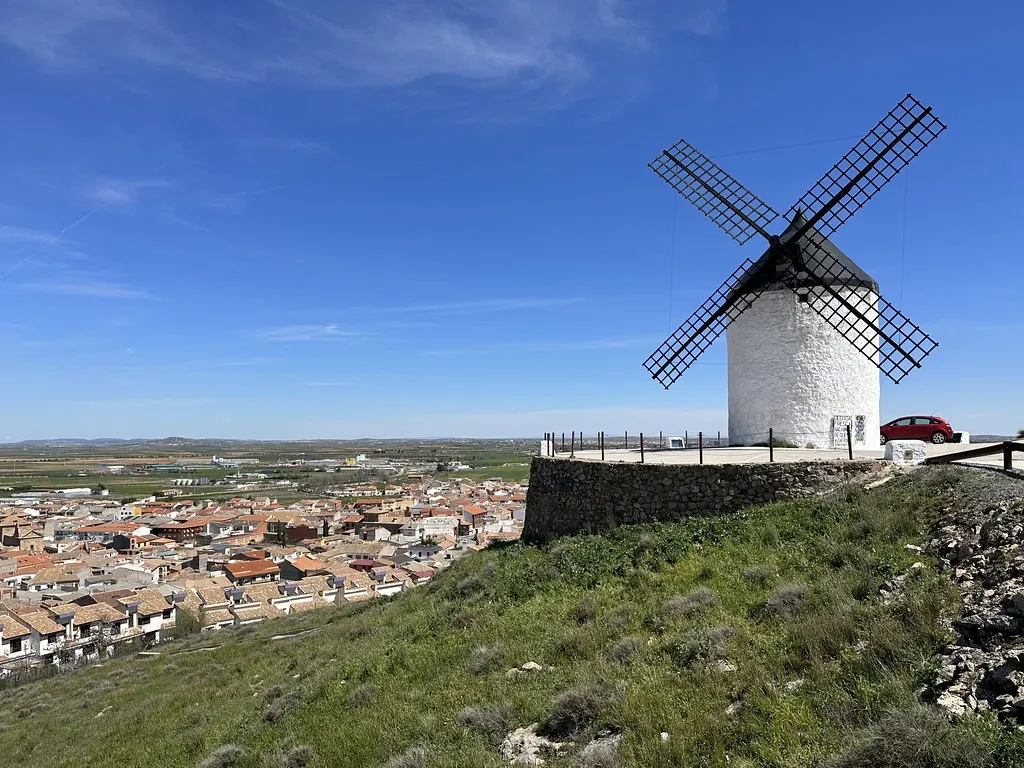
The landscape surrounding Campos del Paraíso defines horizontal. Fields of wheat, barley and vines stretch until they merge with sky, creating an optical illusion of infinity that can unsetle visitors accustomed to vertical relief. Modern wind turbines punctuate this flatness, their blades turning slowly above fields that once fed Don Quixote's imaginary armies.
Spring transforms the plateau into an emerald carpet dotted with wild poppies. By July, the colour palette shifts to golds and ochres as crops ripen under relentless sun. Autumn brings perhaps the most dramatic change, when vineyards blaze crimson against ochre earth. These seasonal shifts aren't merely scenic—they dictate the village's economic pulse and social calendar.
The continental climate delivers proper seasons. Summer temperatures reach 35°C, but low humidity makes heat manageable, especially during morning hours. Winter drops to -5°C, when mist hangs over frosted fields and wood smoke scents the air. Spring and autumn provide the sweet spot: mild days, cool nights, and skies so clear that light pollution seems mythical.
Stone, Lime and Agricultural Time
The parish church dominates the modest skyline, its tower serving as landmark for farmers working distant fields. Built from local stone with lime mortar, the structure exemplifies Manchegan architectural sobriety—practical, unadorned, built to withstand extremes rather than impress visitors. Inside, Baroque retablos provide unexpected flourishes in an otherwise austere interior.
Village houses follow the same utilitarian principles. Thick stone walls regulate temperature, while interior courtyards offer summer respite. Many retain original features: wooden doors weathered to silver-grey, ceramic wine jars half-buried in earth floors, ancient grape presses converted to decorative features. These aren't museum pieces but working elements of homes occupied by the same families for generations.
Wandering the narrow streets reveals details missed at driving speed. Iron balcony railings forged in local workshops. Stone benches built into walls for evening conversations. Small shrines marking former vineyard boundaries, reminders when wine production happened within village limits rather than industrial estates beyond.
Beyond the Asphalt
The real attraction lies outside urban boundaries. A network of agricultural tracks connects Campos del Paraíso with neighbouring villages, creating routes for walkers and cyclists seeking authentic rural Spain. These aren't manicured trails with way-markers and car parks—they're working paths used by farmers, varying in condition from packed earth to rutted tracks requiring sturdy footwear.
Morning walks offer the best experience, when temperatures remain comfortable and wildlife activity peaks. Steppe birds—crested larks, calandra larks, the occasional great bustard—feed among crops. Red kites circle overhead, while stone curlews call from fallow fields. The flat terrain means distances deceive: what appears a short stroll can become a half-day expedition under strong sun.
Photographers appreciate the minimalist landscape. Clean horizons, occasional agricultural buildings, and dramatic sky formations create compositions reminiscent of American prairie photography. Dawn and dusk provide optimal lighting, when long shadows add depth to otherwise two-dimensional vistas.
From Field to Fork
Local gastronomy reflects agricultural reality. Dishes developed from necessity rather than sophistication, designed to fuel labourers through long field days. Gachas, a thick porridge of flour, water, olive oil and garlic, sustained families through economic hardship. Morteruelo, pâté-like spread of game and liver, preserves meat without refrigeration. Pisto manchego, the region's ratatouille, uses abundant summer vegetables.
Manchego cheese production continues using traditional methods. Local shepherds milk Manchega ewes twice daily, producing milk that's transformed within hours into cheese aged in local caves. The result bears little resemblance to supermarket versions—sharper, more complex, with terroir reflecting local herbaceous grazing.
Wine carries similar authenticity. Small producers craft robust reds from Tempranillo grapes, wines designed to accompany rich food rather than impress critics. Visiting during September harvest provides insight into processes unchanged for centuries, though modern health and safety regulations mean barefoot grape treading exists only in memory.
Calendar of Continuity
Festival timing follows agricultural and religious cycles rather than tourist convenience. Mid-August fiestas patronales coincide with wheat harvest completion, when returning emigrants boost population temporarily. Streets fill with music, dancing and regional costumes, though scale remains intimate—think village fete rather than Benidorm-style celebration.
Easter processions maintain medieval solemnity. Residents participate regardless of religious conviction, preserving traditions that define community identity. January's San Antón celebration features animal blessings and bonfires, practical rituals for agricultural communities facing winter's midpoint.
September wine celebrations aren't marketed to outsiders. They're working events marking harvest completion, when neighbours share food and wine while discussing yields and prices. Visitors welcome, but these aren't staged performances—they're authentic expressions of agricultural life continuing despite rural depopulation challenges.
Practical Realities
Access requires planning. The village sits 150 kilometres from Valencia, 200 from Madrid—driving distances that preclude casual visits. Public transport proves patchy: one daily bus from Cuenca, timing geared to local needs rather than tourist convenience. Hiring cars essential for exploring surrounding countryside.
Accommodation options remain limited. One rural guesthouse offers five rooms, booked months ahead during spring photography season. Alternative bases include Cuenca (50 minutes drive) or Teruel (90 minutes), though this necessitates early starts for optimal light conditions.
Dining follows Spanish schedules, adapted to agricultural rhythms. Bars serve breakfast from 7am—coffee and toast for farmers starting early. Main meals happen at 2pm and 9pm; attempting to eat at British times means limited options. Sunday lunches become social events lasting hours, when families gather post-church to discuss village affairs over multiple courses.
Mobile phone coverage proves sporadic, particularly in surrounding fields. This isn't technical failure but geographic reality—population density doesn't justify extensive infrastructure. Treat visits as digital detox opportunities rather than Instagram content creation.
Campos del Paraíso won't suit everyone. Those seeking sophisticated dining, luxury accommodation or organised entertainment should look elsewhere. But for travellers wanting authentic rural Spain, where traditions persist through conviction rather than performance, this high plain village delivers experiences increasingly rare in modern Europe.