Full Article
about Castillo de Garcimuñoz
Historic town crowned by a unique castle; site where Jorge Manrique was wounded.
Hide article Read full article
Castillo de Garcimuñoz: el pueblo que aparece en el horizonte
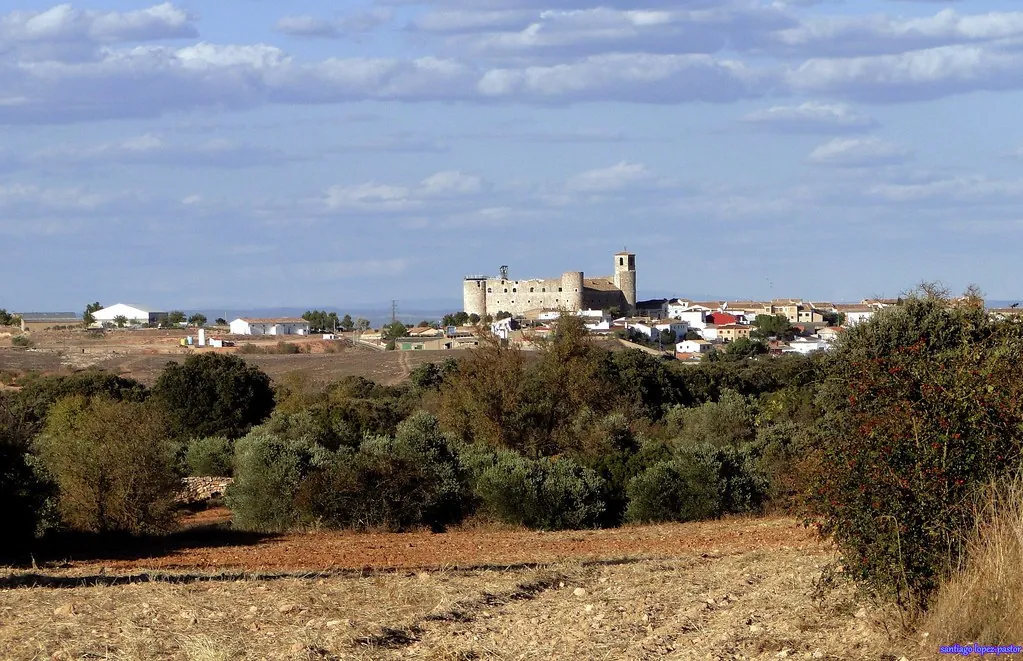
Hay pueblos que no buscas, los encuentras. Vas conduciendo por la Mancha, miras hacia ningún sitio en particular, y de repente ahí está: una loma con un castillo encima. La curiosidad hace el resto. Así suele presentarse Castillo de Garcimuñoz, un municipio de Cuenca donde viven unas ciento y pico personas.
Es pequeño de verdad. De esos sitios donde das dos vueltas y ya reconoces las puertas. Pero tiene ese tipo de quietud manchega que pesa, donde el horizonte importa más que las calles.
La arquitectura es la de siempre por aquí: paredes blanqueadas, puertas de madera. En el casco antiguo se ven aún las huellas de las cuevas-bodega. Muchas están cerradas o reconvertidas, pero te recuerdan que la vida aquí giraba en torno al vino y al cereal, marcando los tiempos del año.
El castillo que domina la loma
El perfil lo define el castillo de los Marqueses de Villena. Se ve desde lejos, como una referencia clavada en la llanura. La estructura principal es del siglo XV y conserva parte de sus muros y torres.
No esperes un alcázar intacto. Está lejos de eso. Pero la cuesta hasta arriba merece la pena por una razón muy simple: las vistas. Desde allí arriba, La Mancha se abre como una mesa infinita. Campos de cereal, viñas y caminos rectos que se pierden en el horizonte. Entiendes por qué controlar esta colina tuvo su peso estratégico.
La iglesia y sus horarios inciertos
La parroquia de San Juan Bautista sigue ese estilo sobrio del Renacimiento manchego. Piedra, proporciones equilibradas y poca decoración.
Dentro hay algún detiento que mirar, pero entrar es otra historia. En pueblos así, los horarios son… flexibles. A veces está abierta, a veces no. Si te interesa verla, toca preguntar o tener suerte.
Los caminos de tierra (sin señalizar)
Lo mejor de Castillo de Garcimuñoz suele estar fuera del pueblo. Los caminos que lo rodean cruzan tierras abiertas y suben por cuestas suaves.
No hay rutas de senderismo marcadas ni paneles informativos. Son pistas agrícolas, las de toda la vida, que aún se usan para trabajar. Perfectas si te apetece caminar un rato y ver La Mancha en su estado más directo: campo, cielo y poco más.
En verano, el sol aprieta con ganas. La sombra es un bien escaso aquí, así que llevar agua y gorra no es un consejo, es sentido común.
El nombre que lo cambia todo: Jorge Manrique
Por aquí suena el nombre del poeta Jorge Manrique, autor de las Coplas por la muerte de su padre. Tuvo relación con este castillo y con los líos nobiliarios de la época.
Ese dato le cambia la cara a la colina. De repente imaginas caballeros, mensajeros y disputas donde ahora solo hay silencio manchego. El contraste entre aquel jaleo y esta calma actual se nota casi sin querer.
Fiestas y el ritmo lento
La vida aquí va a otro compás. Con poco más de cien vecinos, el movimiento sigue el calendario del campo y los reencuentros del verano.
Las fiestas de San Roque suelen ser en agosto, cuando el pueblo se anima un poco: vuelven familias, se llena la plaza, hay procesión y verbena sencilla. En invierno se mantienen tradiciones como las hogueras de San Antón, con ese origen rural que aún se nota.
Castillo de Garcimuñoz no es un sitio para llenar una agenda turística durante tres días. Funciona mejor como una parada corta: subir al castillo, recorrer algún camino cercano y quedarte un rato mirando la llanura.
A veces con eso basta. Hay días que piden pueblo pequeño, viento moviendo los campos y la sensación de que el tiempo pasa más despacio. Aquí eso todavía ocurre