Full Article
about El Acebrón
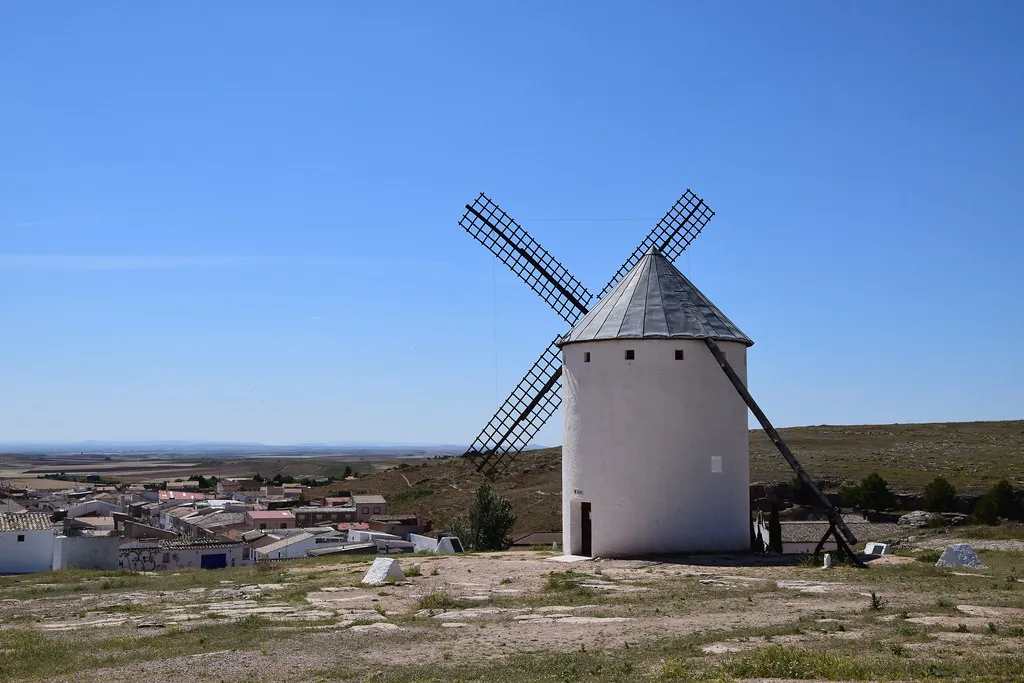
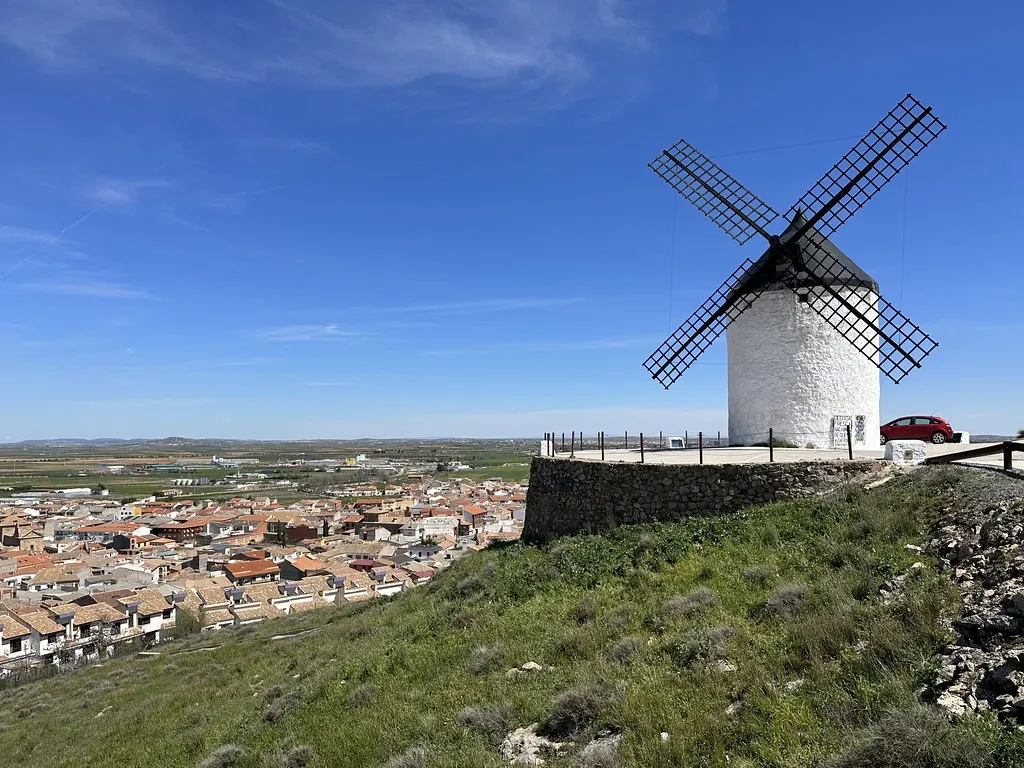
A Manchego farming town; its traditional local architecture survives.
Ocultar artículo Leer artículo completo
The church bell tower rises above stone roofs at 1,020 metres, marking the spot where Spain's central plateau begins its climb towards the Serranía de Cuenca. From here, wheat fields stretch eastwards while oak-covered hills rise behind—a frontier landscape that explains why El Acebrón's name derives from the holly bushes clinging to these higher slopes.
This small settlement of roughly two hundred souls sits forty minutes north-east of Cuenca city, where the A-40 motorway gives way to the CM-2106—a road that narrows considerably after Villalba de la Sierra. The village occupies a transitional zone between La Mancha's agricultural heartland and the Iberian System's first ridges, creating a microclimate that catches both the plateau's extremes and mountain weather systems. Summer temperatures peak around 32°C but drop sharply after dusk; winter brings regular frosts and the occasional snow that transforms the surrounding cereal fields into a monochrome study.
Stone, Adobe and Silence
El Acebrón's architectural fabric tells a familiar story of rural Castilla-La Mancha. The parish church anchors the village centre—its modest proportions and weathered limestone blocks speaking to centuries of agricultural subsistence rather than ecclesiastical grandeur. Around it, houses built from local stone and adobe cluster along streets barely wide enough for a single vehicle. Many retain their original wooden doors, some carved with dates reaching back to the 1800s, though modern aluminium replacements appear with increasing frequency.
The village layout follows topography rather than planning regulations. Streets curve with the gentle slope, creating unexpected viewpoints across terracotta roofs towards the agricultural mosaic beyond. Several properties stand empty—their stone walls crumbling, interior courtyards filling with wildflowers. This gradual abandonment mirrors patterns throughout Spain's interior, where mechanism reduced agricultural labour needs and younger generations departed for Madrid or Valencia.
What saves El Acebrón from complete decline is its position within the Cuenca Mountains' sphere of influence. Weekenders from the provincial capital purchase second homes here, drawn by property prices that remain stubbornly below €500 per square metre. Their renovations introduce insulated windows and underfloor heating into buildings designed for summer ventilation, creating hybrid spaces where traditional architecture meets contemporary comfort expectations.
Walking the Borderlands
The village's greatest asset lies beyond its limits. A network of agricultural tracks and livestock paths radiates across the surrounding landscape, offering walking opportunities that range from thirty-minute loops to full-day excursions. These routes require self-sufficiency—waymarking appears sporadically, and mobile coverage disappears behind the first hill. OSM-based mapping apps prove more reliable than Google Maps, though carrying a paper backup remains wise.
Northwards, a steady climb through cereal fields reaches the 1,200-metre contour after ninety minutes. Here, the vegetation shifts decisively—holm oaks replace olive groves, and the horizon opens towards the higher peaks of the Serranía. Spring brings carpets of purple thyme and yellow cytinus, while autumn paints the broom bushes bronze against evergreen oak. Birdlife changes with altitude: crested larks and calandra larks dominate the plains, while booted eagles circle overhead and blue rock thrushes appear among limestone outcrops.
The return route passes abandoned threshing floors—stone circles where wheat was separated from chaff before combines rendered them obsolete. These monuments to pre-industrial agriculture now serve as picnic spots, their elevated positions offering shelter from the wind that sweeps across these exposed uplands.
Cycling presents another perspective, though the terrain demands reasonable fitness. The CM-2106 continues north through a landscape of constant gentle climbs and descents—perfect for gravel bikes or touring cycles rather than carbon fibre racers. Traffic remains light except during August fiestas, when returning families create a temporary surge of vehicles negotiating roads designed for mule carts.
Eating Without Pretension
El Acebrón's culinary scene reflects its size—limited but authentic. The single bar-restaurant opens irregularly, depending on whether the owner's daughter can travel from Cuenca to help. When operational, it serves dishes that pre-date Spain's gastronomic revolution: migas fried with chorizo and grapes, perdiz estofado (partridge stew) during hunting season, and gachas manchegas—a thick porridge that sustained shepherds through winter nights. Prices hover around €12-15 for substantial portions that make tasting menus seem effete by comparison.
The village shop stocks basics: tinned vegetables, cured meats, local cheese from a dairy twenty kilometres south. For anything beyond survival rations, Cuenca's supermarkets provide wider choice—though the forty-minute drive encourages menu planning rather than impulse purchases. Self-catering visitors should stock up before arrival, particularly if visiting during winter when bad weather can isolate the village for days.
Local wine comes from Valdepeñas, ninety minutes south—though the altitude here favours different grape varieties than those thriving on the sun-baked plains. Several families maintain small vineyards producing wine for domestic consumption rather than commercial sale. A polite request might secure a bottle of harsh but honest red that hasn't encountered a sulphite or marketing consultant.
When to Visit, When to Stay Away
Spring transforms El Acebrón during April and May. Green wheat creates undulating carpets that shimmer in breezes carrying scents of rosemary and lavender. Daytime temperatures reach 18-22°C—perfect walking weather—though nights remain cool enough to justify that extra fleece. This season also brings the village's best light: clear air and low sun angles that photographers prize.
Autumn delivers its own palette from late September through October. Harvest activity fills the fields with combines working from dawn until the evening dew forces stops. The surrounding forests turn copper and gold, while migrant birds pause en route between northern Europe and Africa. Weather proves more variable—bright mornings can dissolve into afternoon thunderstorms that send temporary streams cascading down agricultural tracks.
Summer requires strategy. July and August temperatures regularly exceed 30°C, making midday walks uncomfortable and potentially dangerous given limited shade. Early morning starts become essential—begin by 7am to finish before the heat builds. The village's August fiesta brings temporary life: temporary bars, evening concerts using generators, and population swelled by returning families. Accommodation prices don't increase—they simply become unavailable unless booked months ahead.
Winter divides opinion. Snow dusts the landscape several times between December and March, creating postcard-perfect scenes that last until the sun breaks through. Temperatures hover around 5°C during daylight but plunge below freezing overnight. Heating costs escalate—those restored properties often rely on oil deliveries or biomass boilers. Roads become treacherous quickly; the CM-2106 receives gritting eventually, but not before early-morning commuters slide into ditches.
Practicalities for the Curious
Accommodation options remain limited. Casa de Campo Ismael offers three rural apartments sleeping 4-6 people from €80 per night—book through their website rather than international platforms to avoid commission mark-ups. An Airbnb room provides alternative shelter, though availability reflects the owner's travel schedule rather than seasonal demand. Neither option includes daily housekeeping; this is self-catering territory where guests strip beds and empty bins.
Public transport reaches El Acebron twice weekly via a bus service that connects with Cuenca's main station on Tuesdays and Fridays. The 11:15 departure from Cuenca arrives at 12:05—returning at 17:30. Missing it means a €50 taxi ride or overnight stay. Car rental from Cuenca costs approximately €35 daily for a basic vehicle—worthwhile given the flexibility to explore surrounding villages like Villalba de la Sierra or the abandoned settlement of Valdelobo.
Mobile coverage depends on your provider. Vodafone and Orange maintain reasonable signal strength; Movistar works everywhere but charges roaming fees for UK contracts. WiFi appears in renovated properties but remains inconsistent—download offline maps before arrival. The village pharmacy operates two mornings weekly; serious medical issues require the forty-minute journey to Cuenca's hospital.
El Acebrón offers no souvenirs beyond memories and photographs. Nobody sells artisanal jam or hand-woven baskets. The village simply exists—neither preserved nor destroyed, neither discovered nor forgotten. It provides what increasing numbers of British travellers claim to seek: an authentic Spanish village where tourism hasn't rewritten local rhythms. Whether that's enough depends entirely on expectations formed elsewhere.