Full Article
about El Cañavate
Ancient village with fortress remains; commanding views over the plain
Hide article Read full article
A small settlement on a wide horizon
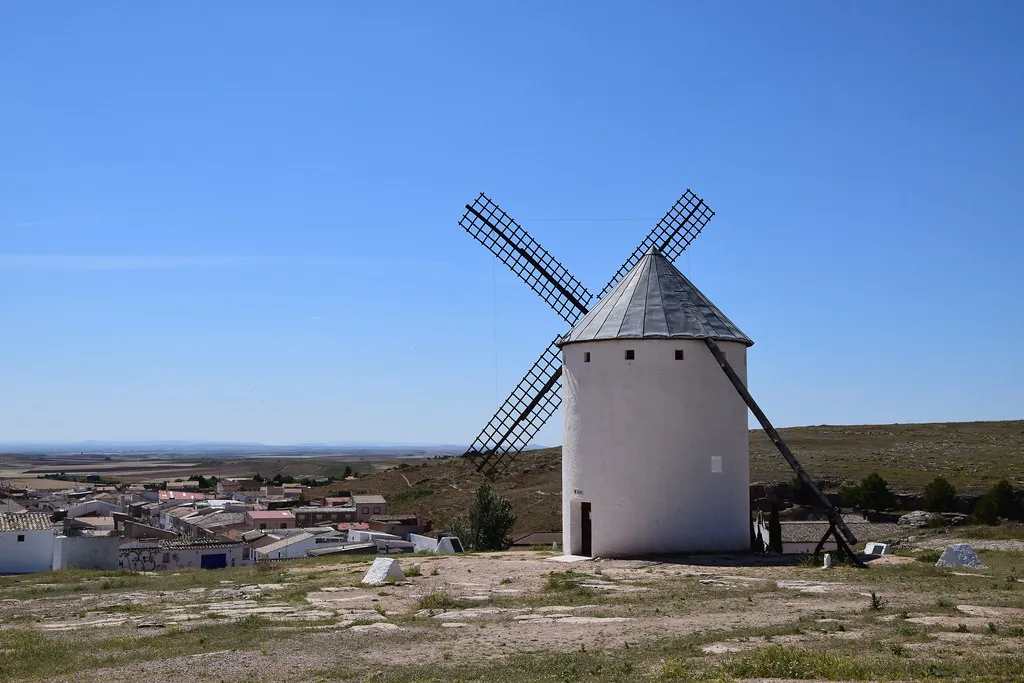
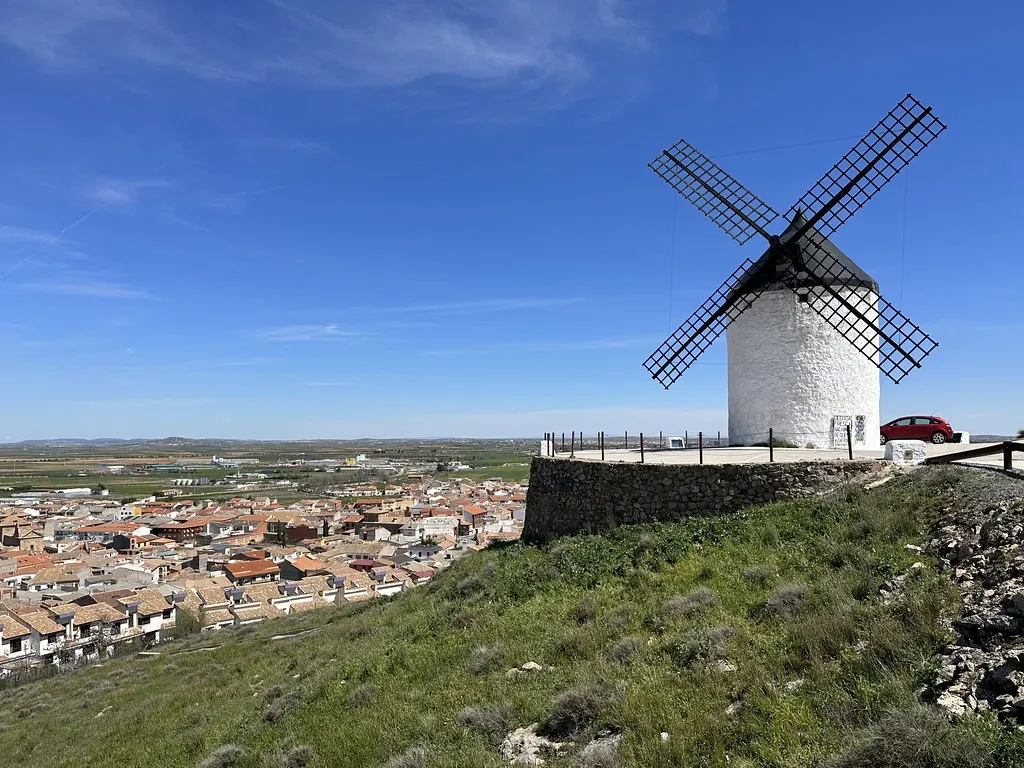
Tourism in El Cañavate means stepping into one of the flattest parts of La Mancha in the province of Cuenca. Here, villages stand far apart, separated by kilometres of cultivated fields and long, straight roads that cut across the plain. Just over a hundred people live in El Cañavate, and the landscape explains much of what happens in daily life. Agriculture still sets the pace, much as it did decades ago.
The village stands at around 800 metres above sea level in an open area with no nearby mountain ranges and no major geographical features to interrupt the view. The dominant sight is farmland. Large plots of cereal crops, mainly wheat and barley, stretch across the municipality, interspersed with a few scattered vineyards. In winter the fields are low and dark. When spring arrives, green spreads across much of the horizon and changes the mood of the surroundings.
This is La Mancha in its most expansive form. The sense of space is constant, and distances are measured not by landmarks but by the length of the road ahead and the size of the fields on either side.
Streets shaped by rural life
El Cañavate has a compact and straightforward layout. Several streets lead out from the central square towards the edges of the municipal area. The scale is modest, and the village has not expanded significantly over the course of the twentieth century. That limited growth is visible in the continuity of the houses and the human scale of the streets.
Many homes retain traditional Manchego rural features. Whitewashed façades face the street. Wide gateways once allowed the storage of machinery or animals. Inside, there are interior courtyards that were closely tied to agricultural work. In some doorways, old iron grilles and metal fittings are still visible. These small details help to show how closely home and field have always been connected here.
With around 125 registered residents, daily life is quiet. At certain times of day there is little sound beyond the passing of a car or the movement of agricultural machinery along nearby tracks. The calm is not staged for visitors. It is simply the rhythm of a place where work follows the seasons and where people have often known each other for most of their lives.
The church and the role of the square
At the centre of the village stands the parish church of the Asunción. It is a sober building, similar to many churches found across La Mancha. Over time it has undergone various renovations, as is common in rural parishes that adapt to the needs of each period.
Its importance lies less in its size than in its position. The church anchors the urban centre, and the square around it functions as the main meeting point. From this space, several principal streets are visible, making it easy to understand how the village is organised. People come and go quickly, brief conversations take place, and neighbours greet one another in passing.
The square reflects the scale of El Cañavate itself. There is no sense of monumentality. Instead, it offers a practical and familiar setting for everyday encounters, particularly during the warmer months when more people spend time outdoors.
The agricultural landscape all around
The municipal area is large in comparison with the size of the built-up village. Straight agricultural tracks link extensive plots designed for mechanised farming. Walking or cycling along these routes allows a clear view of how the land is used and how it changes throughout the year.
During sowing or harvest there is noticeable movement, with tractors travelling back and forth between fields. At other times the landscape can remain almost still for weeks. The interest here does not lie in dramatic natural landmarks. It lies in the continuity of the plain and the gradual shifts in colour as the seasons move from one to the next.
At night, the absence of intense surrounding light leaves the sky relatively clear. In more densely populated areas this is increasingly rare. In El Cañavate, darkness settles fully over the fields, reinforcing the sense of distance from larger urban centres.
The vineyards, although not as extensive as the cereal fields, remain part of the agricultural calendar. Their presence connects the village to a broader Manchego tradition of wine production, even if on a modest scale.
Festivals and the village calendar
The main celebrations revolve around the Virgen de la Asunción, the local patron saint. Festivities take place in August, when many people with ties to the village return for a few days. During this period the population increases and the streets become livelier than usual. The square and surrounding streets regain a busier atmosphere, shaped by reunions and shared activities.
Holy Week is also observed, though in a simple manner. As in many small villages, traditions depend heavily on the participation of residents themselves. The continuity of these events is closely linked to the commitment of those who live here or who maintain family connections with the area.
Beyond religious dates, the agricultural cycle continues to structure the year. The grape harvest at the end of summer remains a reference point for those who work the land. Even for residents not directly involved in farming, these seasonal milestones shape conversations and routines.
Reaching El Cañavate and choosing the right season
El Cañavate lies in the south-west of the province of Cuenca, within the plains of La Mancha. A major motorway connecting Madrid and Valencia passes relatively close by, with access from there via regional roads. The approach underlines the character of the area: long stretches of open land before the compact cluster of houses appears.
Spring and autumn are generally the most comfortable times to explore the surrounding tracks and fields. Summer brings intense daytime heat, typical of this part of Castilla-La Mancha. Even so, evenings regain a degree of calm, and the village returns to its usual steady pace once the strongest heat fades.
Visiting El Cañavate is less about ticking off sights and more about observing how landscape and settlement fit together. The village offers a clear example of rural La Mancha where agriculture remains central, distances are wide, and the horizon is uninterrupted.